The panic peddlers want you to believe that a closed canal or a diverted tanker is the beginning of a global dark age. They point to skyrocketing freight rates and regional fuel "shortages" as evidence of a fragile world teetering on the edge. They are wrong. What the mainstream media calls a crisis, the industry understands as a long-overdue stress test that is finally breaking our addiction to inefficient, carbon-heavy supply chains.
The "lazy consensus" screams that we need to protect these narrow waterways at all costs to keep the oil flowing. That is a loser’s game. The real story isn't about the fuel that didn't arrive; it’s about the massive, systemic waste that these bottlenecks have finally exposed. We have spent decades optimizing for a "just-in-time" delivery model that was never built for a volatile world.
The Myth of the Vulnerable Consumer
Every time a major waterway sees a dip in traffic, the headlines warn of "pain at the pump." It’s a tired trope. In reality, the global fuel market is a hydra. When one head is cut off, three more grow in its place.
I have watched traders scramble during these "crises," and the secret they won’t tell you is that the price spikes are often driven by algorithm-fueled speculation rather than a physical lack of molecules. Refineries in the Atlantic Basin don't just stop because a ship in the Red Sea turned around; they swap. They arbitrage. They find a way. The "crisis" is a localized logistics headache masquerading as a global catastrophe.
The countries supposedly "suffering" the most are actually the ones being forced to modernize their energy portfolios. If your nation's entire economic stability hinges on a 20-mile-wide stretch of water halfway across the globe, you don't have a shipping problem—you have a sovereignty problem.
The Efficiency Trap
Logistics experts love to talk about "efficiency." What they actually mean is "fragility." By streamlining routes through narrow chokes to save a few cents per barrel, the industry created a system with zero margin for error.
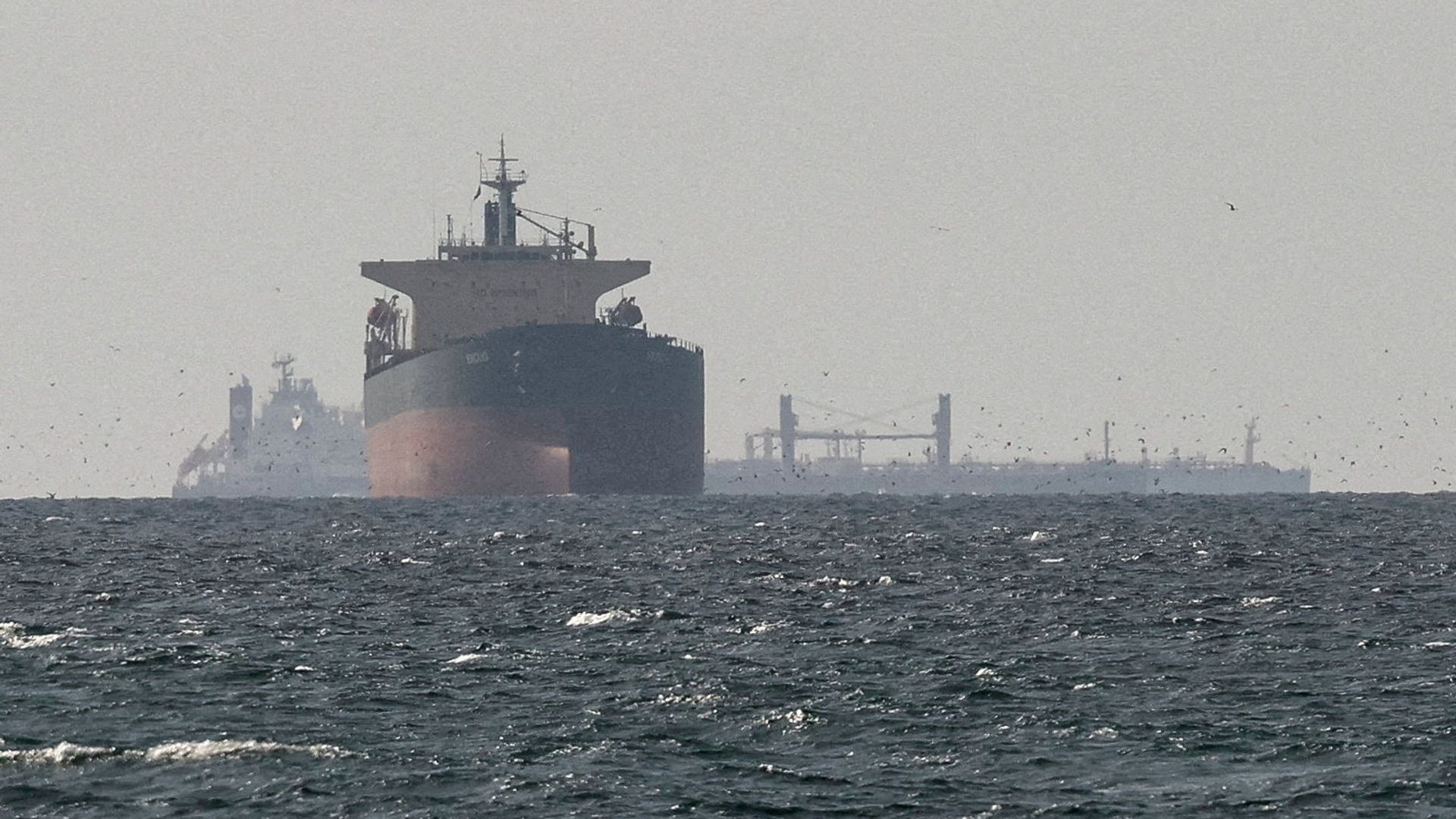
Consider the mechanics of a diverted tanker. A ship moving from the Arabian Gulf to Europe that bypasses a restricted canal must round the Cape of Good Hope. Yes, it adds 10 to 15 days. Yes, it burns more bunker fuel. But it also bypasses the extortionate transit fees that have funded regional complacency for decades.
More importantly, these "delays" act as a natural brake on overconsumption. They force a brutal realization: moving liquid prehistoric plants across the ocean is an absurd way to power a modern civilization. The friction we are seeing now is the market’s way of internalizing the true cost of distance.
The Math of Rerouting
Let’s look at the actual physics. A Suezmax tanker carries roughly 1 million barrels of crude. If it’s diverted, the cost increase per gallon is often measured in fractions of a cent. The "crisis" pricing you see at your local station? That’s 10% logistics and 90% psychological warfare by distributors who know you won't check the math.
$$Cost_{delta} = \frac{(Daily_Charter_Rate + Fuel_Burn) \times Extra_Days}{Total_Barrels}$$
When you run those numbers, the "catastrophe" evaporates. It’s a rounding error for a multi-billion dollar oil major. The real pain is felt by the middle-men whose spreadsheets can't handle a two-week delay. I say: let them bleed.
Why Shorter is Better
The disruption of key waterways is the best marketing campaign the "Local-to-Local" energy movement ever had.
- Renewables don't need a canal. You can't blockade a wind farm or put a toll on a solar array.
- Nuclear is the ultimate bypass. A single gram of Uranium-235 contains the energy equivalent of nearly 14,000 gallons of oil. It stays where you put it.
- Hydrogen and Ammonia are the future of shipping fuel, but only if we stop trying to save the 19th-century canal model.
We are witnessing the death of the "Middleman Economy." For a century, certain regions grew wealthy simply by sitting next to a hole in the dirt and charging rent. As shipping routes diversify and decentralize, that unearned leverage vanishes. This isn't a supply chain failure; it’s a geopolitical correction.
The Hidden Upside of High Freight
When freight rates go up, the "experts" mourn. I celebrate. High freight rates are the only thing that will force the shipping industry to decarbonize.
As long as shipping was cheap and invisible, there was no incentive to invest in wind-assisted propulsion, nuclear-powered merchant vessels, or carbon-neutral fuels. The "crisis" provides the capital justification for radical innovation. I’ve seen boards of directors who wouldn't spend a dime on "green" tech suddenly find millions when the alternative is paying $100,000 a day for a legacy tanker stuck in a queue.
Stop Asking How to Fix the Waterways
The most common question I get is: "How do we secure the canals?"
It’s the wrong question. It assumes the goal is to return to the status quo. The goal should be to make the canals irrelevant.
We need to stop treating these waterways like the jugular vein of civilization and start treating them like the optional shortcuts they are. If a country cannot survive a 14-day delay in its fuel delivery, that country is not a global power; it’s a hostage.
The unconventional advice for policymakers? Stop sending navies to guard the gates. Start spending that money on domestic refining capacity and long-term storage. A country with 90 days of reserve and a diversified energy grid doesn't care about a "crisis" in a distant strait.
The Brutal Reality of Energy Independence
True energy independence is expensive, messy, and requires actual work. It’s much easier to complain about "global supply chains" than it is to build a modern power grid.
The downside to my perspective is clear: in the short term, things get more expensive. Inflation is real. But this is the "rehab" phase of our energy addiction. It hurts because it’s working. The friction in the waterways is forcing the world to finally account for the massive external costs of our globalized fuel reliance.
The "crisis" isn't the blockage. The crisis was the decades we spent pretending that the shortest route was the safest one. It never was. It was just the cheapest. And as anyone in this industry can tell you, cheap is the most expensive thing you will ever buy.
The tankers are taking the long way around. Good. Let them stay out there long enough for us to realize we don't actually need what's inside them as much as we thought.
Build the nukes. Install the turbines. Forget the canals.