The espresso machine in the corner of the glass-walled penthouse hums with a quiet, expensive violence. Outside, the city is a grid of blinking lights, a monument to human engineering and relentless ambition. Inside, a man who commands billions sits in a bespoke leather chair, staring at a digital clock that refuses to stop ticking. He has won every game he ever sat down to play. He owns the board, the pieces, and the rules.
Yet, his hands are shaking.
This is not a scene from a fictional drama. This is the daily reality of the modern Western elite, a group of people who find themselves trapped in an unprecedented psychological crisis. They have climbed the highest peaks of capitalism and influence, only to discover that the summit is a vacuum. There is no dragon to slay. There is only the wind.
To understand this quiet, gnawing panic, we have to look backward. We have to look across the centuries to a Greek king tied to the mast of a ship, screaming to be released from a song that promised him everything.
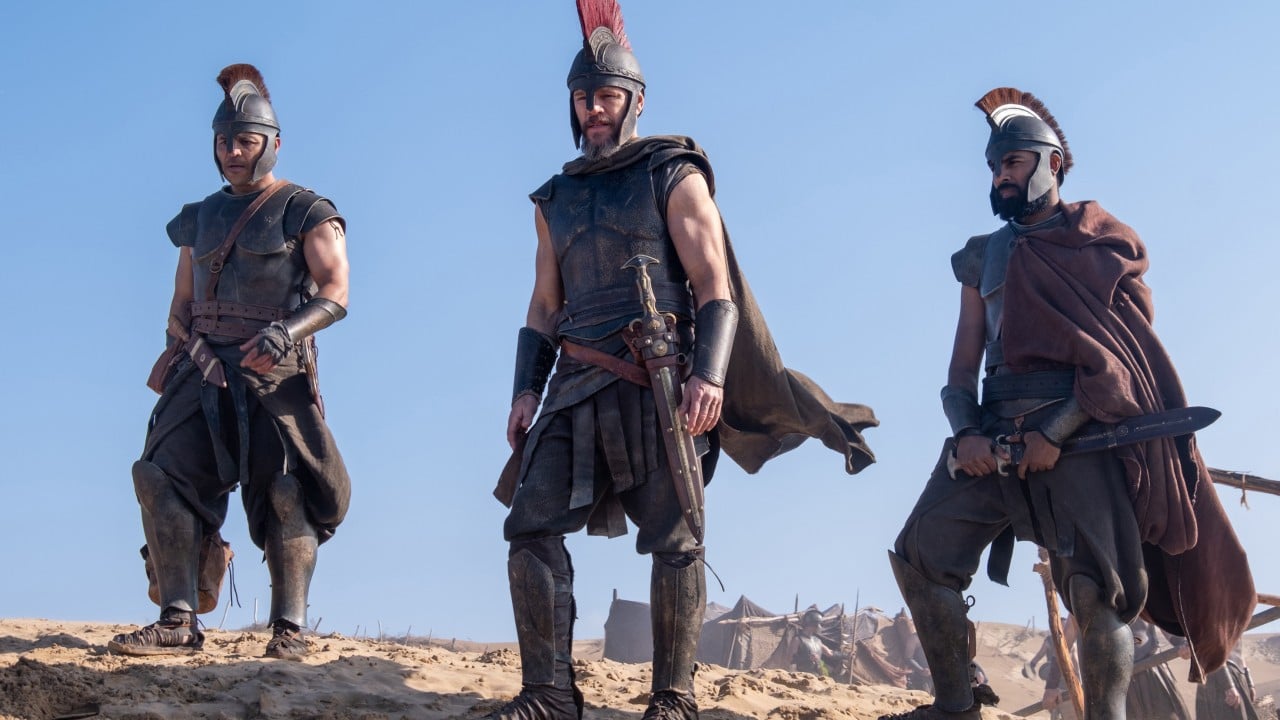
Christopher Nolan’s cinematic universe has long obsessed over the architecture of the mind, but beneath the complex plotting and the visual spectacle lies a profound diagnostic tool for our current cultural moment. When we examine the psychological undercurrents of an Odyssey-themed lens applied to contemporary power structures, a striking truth emerges. The modern ruling class is suffering from a very specific kind of existential rot. They are drowning in abundance.
Let us step into the shoes of someone living this reality. Imagine Marcus, a venture capitalist who sold his third startup before his fortieth birthday. By all traditional metrics, he is a conqueror. He bought the coastal estate, the vintage sports cars, the private memberships. For the first few months, the adrenaline of absolute victory sustained him.
Then came the silence.
Marcus realized a terrifying truth: the pursuit of the goal was the only thing keeping the void at bay. Now that he had arrived, the destination felt like a waiting room for a train that was never going to leave the station. Every luxury had been sampled. Every thrill had been monetized and optimized. The world had become flat, predictable, and entirely devoid of mystery.
This is the exact dread that haunts the corridors of power in London, New York, and Silicon Valley. It is an existential angst born not from scarcity, but from hyper-abundance. When you can buy anything, price loses its meaning. When you can control everything, agency becomes a hollow illusion.
History tells us we have been here before.
The ancient Greeks had a word for the blind arrogance that comes with unchecked success: hubris. But they also had a word for the inevitable reckoning that followed: nemesis. Today's elite do not fear a literal wrath of the gods. They fear something much worse. Irrelevance.
They look at the massive, complex systems they have built—global supply chains, algorithmic information networks, automated financial markets—and they realize these systems possess a momentum of their own. The machine no longer needs its master. It runs on cold, mathematical logic, leaving the human creators stranded at the top, watching like ghosts in their own empires.
Consider what happens next in this cycle of modern despair.
Instead of accepting peace, the elite turn inward. They become obsessed with radical self-optimization. They pour fortunes into longevity research, biohacking, and private space programs. Why? Because aging and mortality are the final frontiers they cannot conquer with a wire transfer. Death is the ultimate market inefficiency. The billionaire building a rocket to Mars is not just looking for new resources; he is desperately trying to outrun the realization that he is mortal.
It is a tragedy played out in slow motion. The tighter they grip the steering wheel of civilization, the more the vehicle veers off course.
The cultural output of our era reflects this internal fracture. We consume stories about hyper-intelligent men trapped in loops, about architects of realities losing their grip on sanity, about heroes who realize that the treasure they fought for was just dust in their palms. We project our collective anxiety onto the screen because we do not know how to articulate it in the boardroom.
We have built a civilization that optimizes for comfort while starving the soul of meaning.
The antidote to this elite malaise cannot be found in another acquisition, another merger, or another technological breakthrough. Those are the very instruments that dug the trench. The way out requires a surrender that the modern ego finds terrifying. It requires relinquishing the desperate need for absolute control and accepting the messy, unpredictable, beautiful fragility of being merely human.
Until that happens, the espresso machines will keep humming in the dark towers. The private jets will keep burning fuel to chase the sun across time zones. And the masters of the universe will sit in their leather chairs, listening closely to the wind, waiting for a song that can make them feel alive again.