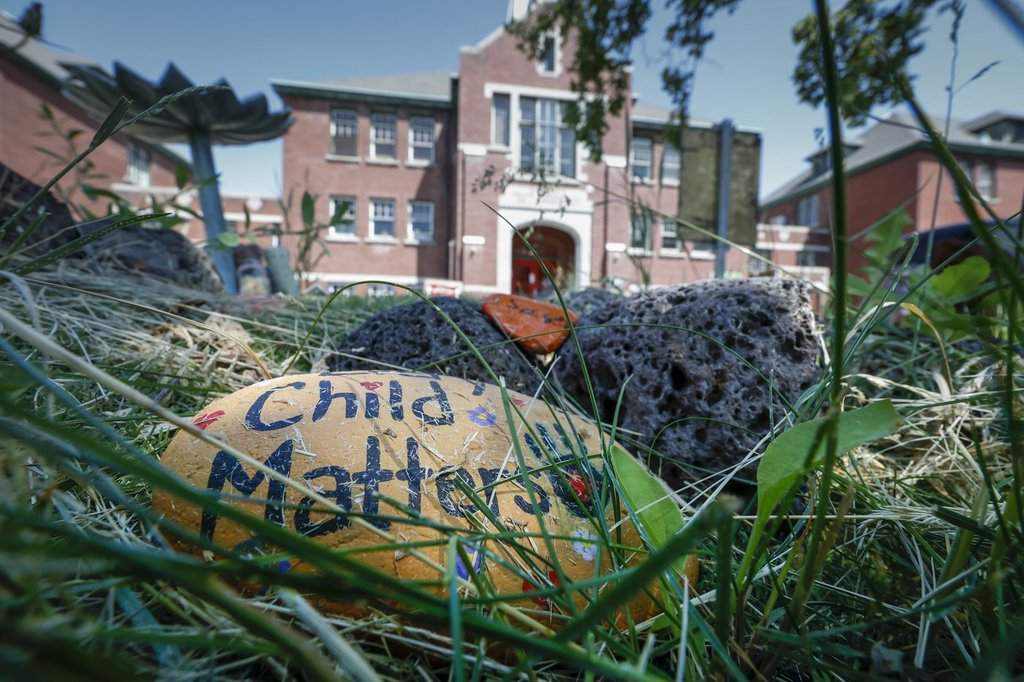
The rain in British Columbia does not just fall. It soaks into the moss, heavy and deliberate, sinking deep into soil that has held the weight of untold stories for generations. Five years ago, a sliver of that ground gave up a secret. Except it was never truly a secret to the people who lived there. It was a lived memory, whispered through generations, kept alive in the quiet spaces of homes where the trauma of the past still sits at the kitchen table.
When the ground-penetrating radar first hummed to life on the structural footprint of the former Kamloops Indian Residential School, it did not find something new. It confirmed what the Tk’emlúps te-Secwépemc people had known, wept over, and carried in their bones for decades. The announcement of potential unmarked burial sites sent a tremor across the globe. It forced a modern, comfortable nation to look directly into the eyes of its own history.
Now, half a decade has passed since that initial, shattering moment. The news trucks have long since packed up. The headlines have drifted to other emergencies. But on the ground, the work of grief, truth, and meticulous investigation continues out of the spotlight. The cameras left. The pain stayed.
To understand what five years of this journey looks like, you have to look past the bureaucratic statements and national apologies. You have to stand on the earth itself.
The Weight of the Unseen
Imagine walking across a field where you played as a child, knowing that beneath your feet lies a history designed to erase your identity. For survivors of the residential school system, the landscape is a constant paradox of beauty and profound sorrow. The buildings of these former schools often stand as imposing monuments of brick and stone, cast against the breathtaking backdrop of Western Canada’s mountains.
The contrast is jarring.
Historically, the residential school system operated with a clear mandate: aggressive assimilation. Between the late 19th century and the closing decades of the 20th century, more than 150,000 Indigenous children were systematically removed from their families and communities. The state-sponsored, church-run institutions sought to systematically dismantle languages, cultures, and family structures.
Consider the mechanics of such a system. When a child is separated from their parents at age six, the language of the home is replaced by a strict, often punitive linguistic regime. The stories that pass down the lineage of a family are abruptly severed. This was not a localized experiment; it was a vast infrastructure spanning across provinces, operating for well over a century.
When the Tk’emlúps te-Secwépemc announced in May 2021 that initial radar scans had detected the remains of what could be 215 children, the collective shock felt by the public revealed a profound gap in historical awareness. For the community, however, the validation brought a complex mixture of relief and reopened wounds. It was the physical manifestation of an ache that had never truly healed.
Science in the Service of Memory
How do you search for the lost when time has smoothed over the earth? The process is painstaking, quiet, and deeply technical. It relies heavily on ground-penetrating radar, an archival science that feels almost sacred in this context.
The radar equipment emits high-frequency electromagnetic radio pulses into the ground. When these pulses hit an underground boundary—such as a disturbance in the soil strata, a change in density, or a buried object—the radar receives a reflected signal. Technicians then chart these signals to map anomalies beneath the surface.
[Surface Level: Undisturbed Grass/Soil]
       │
       ▼ (High-frequency electromagnetic pulses)
 ░░░░░░░░░░░░░░░░░░░░░░░░░░░░░░░░░░░░░░░░░░░
   [Anomalies / Disturbed Soil Strata] <--- Radar reflections mapped
 ░░░░░░░░░░░░░░░░░░░░░░░░░░░░░░░░░░░░░░░░░░░
It is not an immediate answer. It is a map of shadows.
Every anomaly requires verification, archival cross-referencing, and an immense amount of care. The data must be matched with historical attendance records, church diaries, and oral testimonies from survivors who remember the names of classmates who went to the infirmary and never returned to the dormitory.
The sheer scale of the paperwork is daunting. Many records from that era are incomplete, poorly maintained, or scattered across various church and government archives. In some cases, files were destroyed. In others, children were registered under misspelled names or given numbers instead of their identities. The administrative erasure complicates the physical search, turning the investigation into a race against time as elderly survivors pass away, taking their vital memories with them.
But the science is only a tool. The true engine of this work is the community's refusal to let these lives remain unacknowledged.
The Ripple Effect Across the Land
The announcement from Kamloops five years ago served as a catalyst. Soon, other First Nations across Canada began their own searches, utilizing the same technology to scan the grounds of schools within their own territories. Cowessess First Nation in Saskatchewan, Marieval, Cranbrook—the names of small communities suddenly filled national broadcasts.
Each community faced its own unique set of challenges. Some sites had been converted into fully operational community centers, golf courses, or agricultural fields. The physical transformation of the land over decades added layers of complexity to the search.
The emotional toll on these communities cannot be overstated. Each new scan, each new data point, represents a collective re-traumatization. Mental health support workers, elders, and traditional healers became just as vital to the process as the radar technicians.
The work is also financially and logistically exhausting. It requires significant funding for specialized equipment, legal expertise to navigate jurisdictional boundaries, and support systems for the community members guiding the process. While government funding initiatives were established in the wake of the 2021 announcements, the bureaucratic channels can be slow, clashing with the urgent emotional need of communities seeking closure.
The true challenge of these past five years has not been technological. It has been existential. How does a society move forward when the ground beneath its feet keeps demanding that it look back?
Beyond the Headlines
The danger of a five-year milestone is that it can treat a ongoing human reality as a historical event. A anniversary implies something that happened in the past, neatly contained within a specific date on a calendar. But for the families who are still searching for answers about their aunts, uncles, and siblings, this is a daily reality.
True reconciliation is not a destination arrived at via a public statement or a lowering of flags to half-mast. It is a continuous, often uncomfortable process of truth-telling. It involves recognizing that the legacy of these institutions did not vanish when the doors of the final school closed in the late 1990s.
The legacy persists in systemic inequities, in the language revitalization programs fighting to save endangered dialects, and in the intergenerational strength of families reclaiming their heritage. The work being done by the Tk’emlúps te-Secwépemc and other Nations is a profound act of love and accountability. They are doing the hard, painful work of bringing their children home, even if only in memory and spirit.
The rain continues to fall over the hills of Kamloops, washing over a landscape that has been profoundly altered by truth. The ground holds the memories. It is up to the rest of the world to listen to what the earth has revealed, ensuring that the silence of the past five years—and the decades before them—is never allowed to return.


