Hamas just announced it's dissolving its de facto government in Gaza. After nearly two decades of absolute control, the militant group claims it's ready to hand the keys over to a United Nations-backed committee of Palestinian technocrats. On paper, it sounds like a massive breakthrough for the U.S.-brokered peace plan.
But don't buy into the hype just yet.
This move is a brilliant political chess move, not a surrender. By dismantling the administrative body that runs Gaza's everyday ministries, Hamas wants the world to think it's playing ball with the transitional roadmap laid out under the Donald Trump administration's peace initiatives. The reality on the ground tells a completely different story. Israeli Foreign Minister Gideon Sa'ar quickly labeled the announcement a simple trick designed to achieve one specific goal: keeping Hamas armed to the teeth.
The Shell Game of Gaza's Bureaucracy
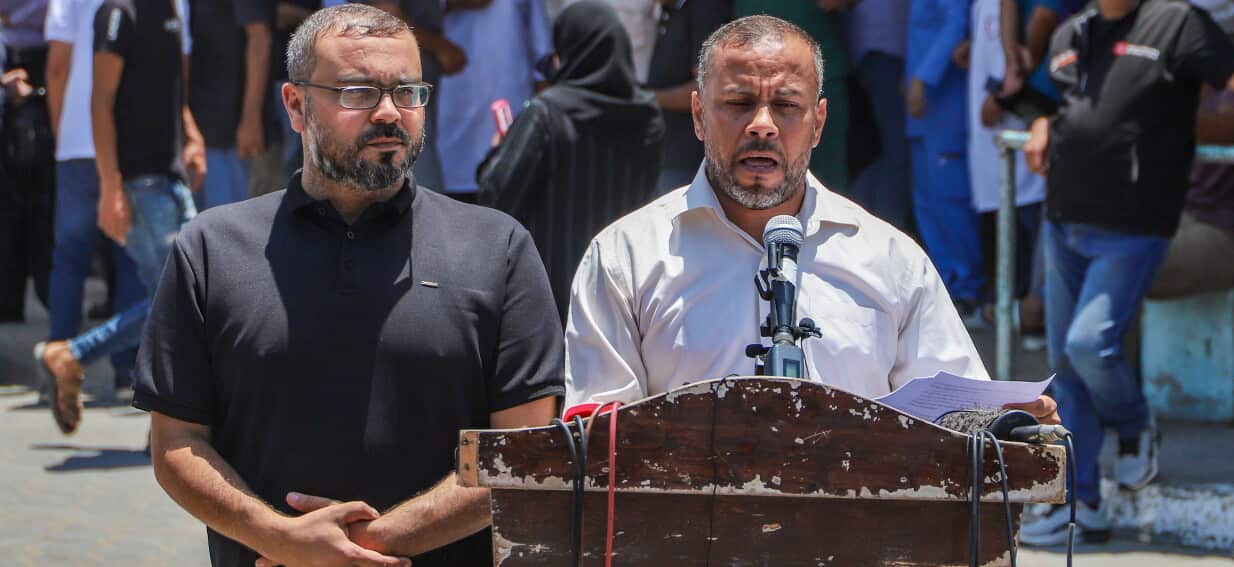
Look closely at what Hamas actually said during its press conference at the Al-Aqsa Hospital courtyard. Ismail al-Thawabta, the director of the Hamas-run Government Media Office, confirmed that while the high-level political oversight committee is dissolving, the actual structural foundations aren't changing. The thousands of civil servants, municipal workers, and ministry employees appointed by Hamas over the last 13 years are staying exactly where they are.
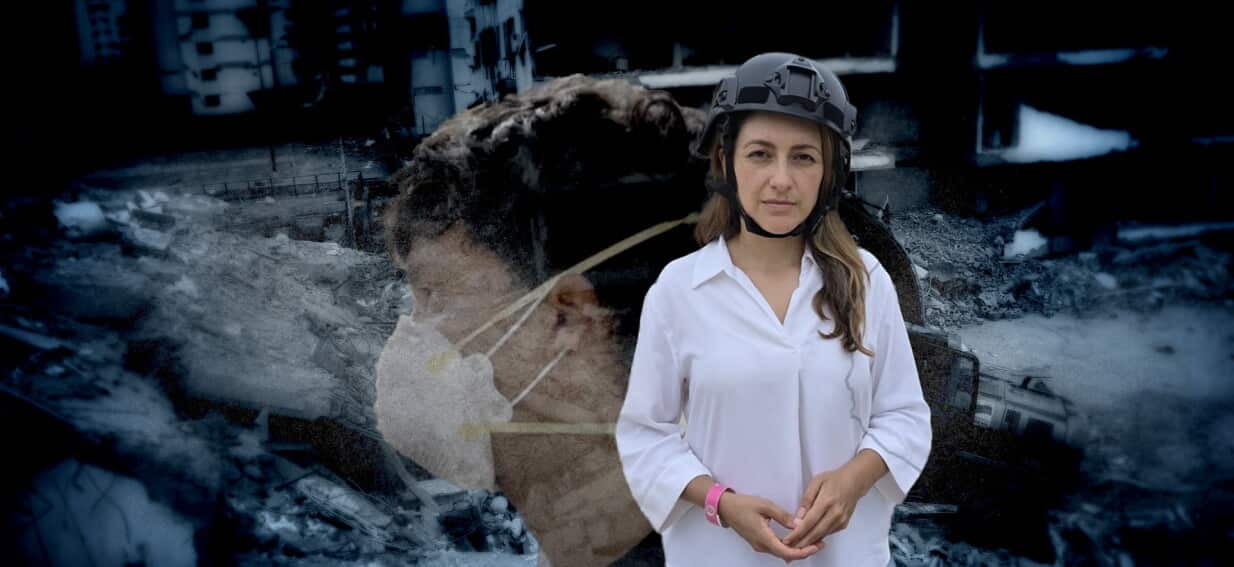
Basically, Hamas is stepping back from the spotlight while leaving its entire bureaucratic apparatus intact. They're making room for the National Committee for the Administration of Gaza (NCAG)—a group of professional technocrats chaired by Cairo-based engineer Ali Shaath—to handle the absolute worst parts of running a ruined enclave.
Think about the sheer logistics of Gaza right now. The territory is trapped in what observers call a humanitarian purgatory. The water grid has collapsed. Food shortages are severe. Millions of people are living in makeshift tents. By handing over the official keys to a committee of engineers and bureaucrats, Hamas successfully unloads the blame for failing public services, garbage collection, and slow reconstruction onto someone else's plate.
Replicating the Hezbollah Model
The core of the dispute isn't about who signs the paychecks for street sweepers. It's about who holds the rifles. Israel's security establishment recognizes a familiar strategy unfolding here. It's what diplomats call the "Hezbollah model."
In Lebanon, Hezbollah operates as a state within a state. They let the official Lebanese government handle the messy, expensive realities of civil governance, electricity, and economic crises. Meanwhile, Hezbollah maintains a private, heavily armed military force that holds veto power over national security decisions.
How the "Hezbollah Model" applies to Gaza:
- Technocratic Government: Handles garbage, health, water, and civil administration.
- Hamas Armed Wing: Retains rockets, tunnels, and internal security dominance.
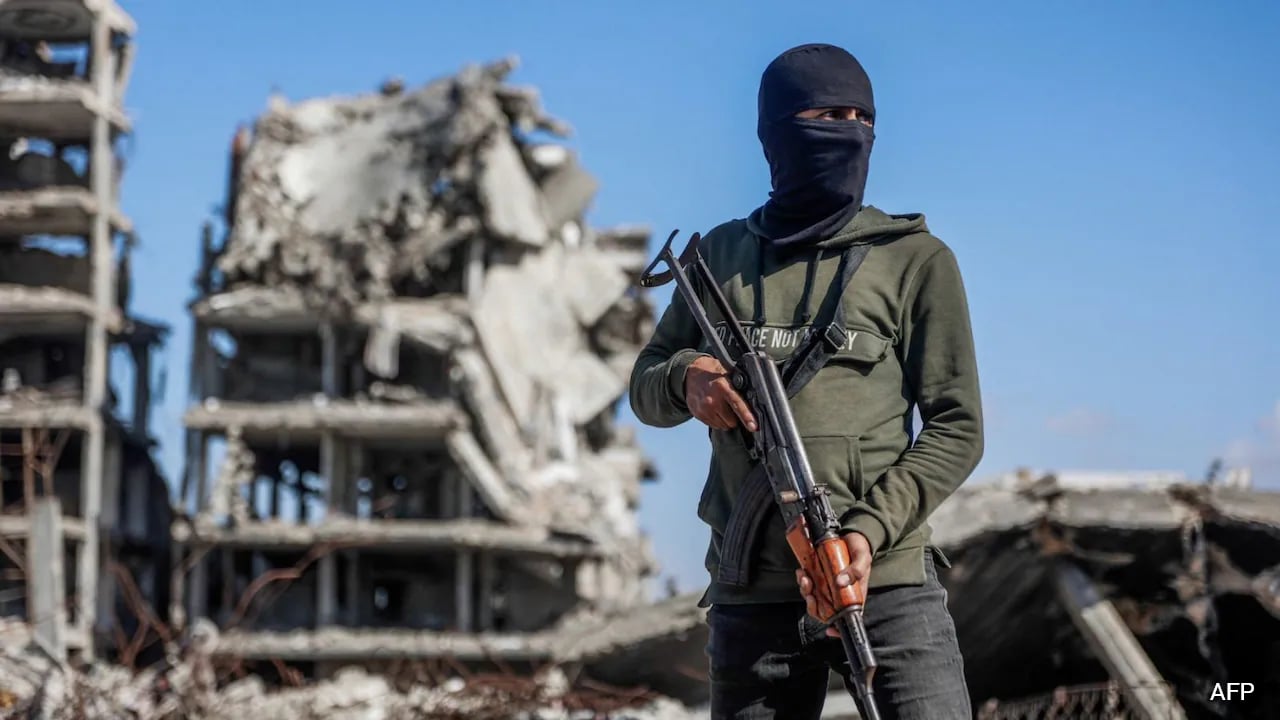
Sa'ar pointed out that as long as Hamas retains its weapons arsenal, any civilian government will naturally operate exactly how the militants dictate. You can't have a truly independent committee of technocrats when the guys standing outside the door are carrying AK-47s and answer to a militant politburo.
The Disarmament Deadlock
This administrative shuffle highlights the massive gridlock freezing the second phase of the October 2025 ceasefire agreement. The deal was structured in clear phases, but both sides are reading from entirely different scripts.
- The Israeli Position: No real political progress, no massive reconstruction funding, and no military withdrawal from temporary security zones can happen until Hamas fully disarms. Israel insists on absolute verification and control over what constitutes genuine dismantlement.
- The Hamas Position: The group flatly rejects total disarmament. Leaders like Khaled Meshaal have floated ideas like a temporary weapons "freeze" or putting arms into secured storage, but they won't surrender their arsenal while Israeli forces still patrol deep inside the enclave. They demand a complete Israeli military exit before any real talk of weapons disposal begins.
Even Ali Shaath, the man tapped to lead this new transitional committee, openly admitted on social media that his team can't do its job under these conditions. For a technocratic panel to run Gaza successfully, Shaath noted there must be a single governing authority operating under a unified security apparatus. Right now, Gaza has anything but that.
Stalling for Time on Both Sides
Why make this announcement right now? Because timing is everything in politics, and both sides are waiting for the clock to run out on the other.
Internal Hamas documents leaked recently show the group's leadership believes Israeli Prime Minister Benjamin Netanyahu is intentionally dragging out ceasefire negotiations. With upcoming Knesset elections on the horizon, any major concession by the Israeli government regarding Gaza's future could be political suicide for the ruling coalition. Hamas knows this. By announcing the dissolution of their government, they get to look like the reasonable, cooperative party to international mediators in Egypt, Qatar, and Turkey, all while knowing Netanyahu cannot easily accept the terms.
Meanwhile, the fighting hasn't actually stopped. While large-scale bombings have dropped significantly since the October truce took effect, targeted strikes occur almost daily. Just hours after the political announcement in Deir al-Balah, an Israeli airstrike in Gaza City killed a local commander from the Hamas armed wing. On the flip side, guerrilla attacks against Israeli troops patrolling the buffer zones have claimed the lives of five Israeli soldiers since the ceasefire began.
What Happens Next
If you're tracking the stabilization of the region, don't look at the political announcements coming out of Cairo or Gaza City. Watch the weapons.
The U.S.-appointed Board of Peace, tasked with overseeing the post-war transition, released a short statement on X saying they will judge this latest move by "actions, not promises." That's the correct metric. For this political transition to become something real rather than an illusion, international mediators will have to solve the impossible equation of the security transition.
Keep an eye on the upcoming proposals regarding the creation of an international stabilization force or the potential integration of thousands of local civil police officers into a verified security structure. Until an international force actually steps onto the ground to secure weapon storage sites, Hamas's resignation is just a corporate restructuring of a militant state. They've changed the logo on the front door, but the board of directors remains exactly the same.