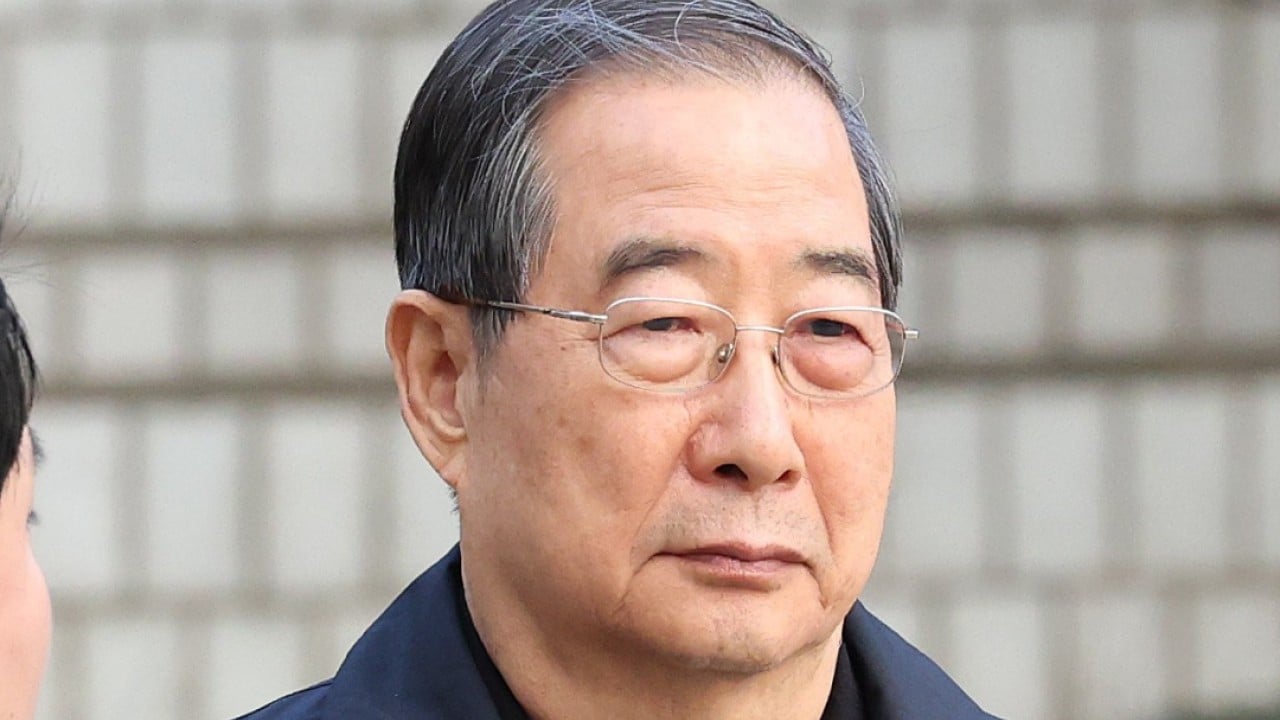
The gavel fell in Seoul today, and it didn't sound quite as heavy as many expected. A South Korean appeals court just handed former Prime Minister Han Duck-soo a 15-year prison sentence. If that sounds like a long time, remember that he was staring down a 23-year term just yesterday. This 76-year-old career diplomat, once the face of South Korean stability, is now officially a convicted participant in an insurrection.
Why the sudden leniency? The court didn't suddenly decide he was innocent. Far from it. The judges were clear: Han abandoned his duty to the Republic. But in the complex world of South Korean law, a 50-year resume and a few hours of "second thoughts" during the 2024 martial law crisis were enough to shave nearly a decade off his life behind bars.
The night that broke a career
To understand why this ruling matters, you've gotta look back at the chaos of December 3, 2024. When former President Yoon Suk Yeol decided to declare martial law, the country held its breath. As the number two in command, Han Duck-soo wasn't just a bystander. The court found he played a "key role" in giving that illegal declaration the thin veneer of legitimacy it needed to move forward.
The prosecution's case was damning. They proved Han convened a cabinet meeting specifically to facilitate the legal procedures for martial law. He didn't try to talk Yoon out of it. He didn't resign in protest. Instead, he helped move the gears of state to support a move that threatened to dismantle South Korean democracy.
The supply line sabotage
One of the grimmest details to emerge from the trial involved the press. The court confirmed Han knew about a plan to cut off power and water to media companies that didn't fall in line with the martial law decree. He didn't stop it. When you're the Prime Minister, "looking the other way" isn't a passive act—it's a choice to let the hammer fall.
Why the sentence was slashed
So, if he’s guilty of aiding an insurrection, why the 8-year discount? The Seoul High Court balanced his "grave crimes" against two main factors.
- A lifetime of service: Han has been in public office for half a century. He's worked in the finance ministry, the foreign ministry, and served as PM twice. The judges cited this long record as a reason for "mercy," even though critics argue a man of his experience should have known better than anyone else.
- The U-turn: The court noted that Han eventually convened a second cabinet meeting to rescind the martial law after the National Assembly voted it down. In the eyes of the law, this suggests he wasn't a pre-meditated mastermind, but rather a man caught in a whirlwind who eventually did the right thing—even if it was only after the tide had turned.
The judges basically said he wasn't the "ringleader" (that's Yoon, who's already serving a life sentence). Han was the enabler who eventually blinked.
Perjury and paper trails
The appeals court didn't let him off on everything. They upheld the charges that he fabricated presidential documents to cover his tracks after the fact. He was also found guilty of perjury for lying during Yoon’s impeachment trial. He’d claimed he never saw the martial law proclamation. The court essentially called him a liar on that front.
However, they did acquit him on one specific perjury count. He'd denied seeing the Defense Minister hand a specific document to the Interior Minister. The court decided the prosecution hadn't proven he actually witnessed that specific hand-off. It’s a minor win in a very dark day for the former premier.
What this means for the Republic
If you're looking for a silver lining, it's that the South Korean judiciary isn't backing down from the "insurrection" label. By upholding the core convictions, the court is sending a signal: high-ranking officials cannot hide behind "following orders" when the constitution is at stake.
But for the public, the reduced sentence feels like a bitter pill. There's a sense that the elite still get a "service discount" that regular citizens wouldn't dream of. Han’s legal team has already signaled they’ll take this to the Supreme Court. They aren't satisfied with 15 years; they want a full acquittal.
Don't expect Han to walk free anytime soon. He’s been in custody since January, and at 76, a 15-year sentence is effectively a life term anyway. The next steps are clear:
- Supreme Court Appeal: Watch for Han’s lawyers to argue that he acted under duress or that his role was purely administrative.
- Civil Suits: Victims of the brief martial law period are likely to use these criminal convictions to fuel massive civil litigation against Han and the Yoon administration.
- Political Fallout: This ruling keeps the 2024 crisis at the top of the news cycle, ensuring that the current government stays under the microscope for any hint of executive overreach.
The era of the "all-powerful" executive branch in Seoul is facing its toughest reckoning yet, and Han Duck-soo is the latest casualty of that shift.