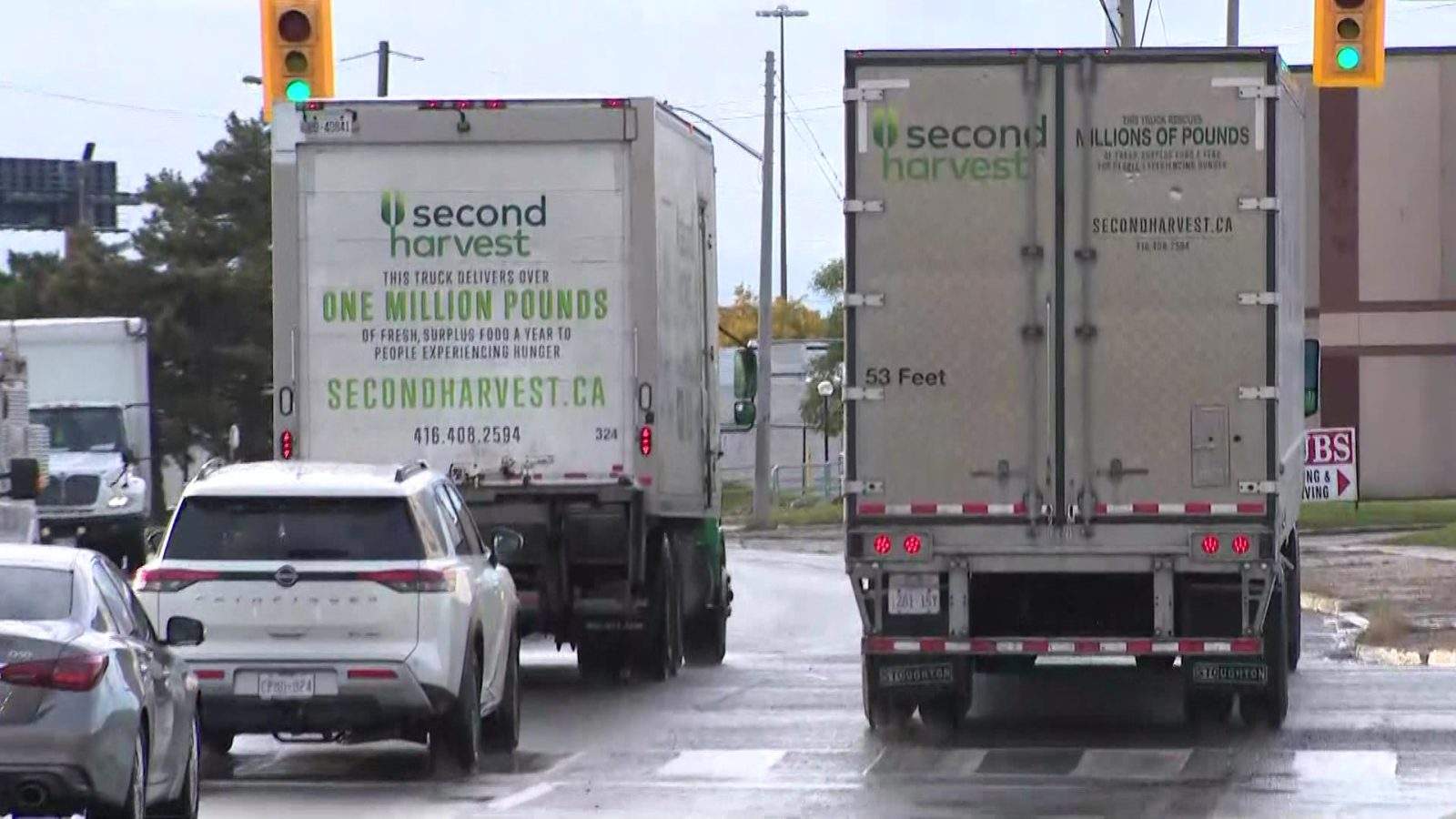
Cold metal shrieks at dawn. A driver walks toward a delivery bay expecting the familiar hum of a diesel engine warming up before the morning rush, and instead finds jagged glass, punctured rubber, and silence where a route should be.
Broken.
When word spreads that a food charity in Toronto has its delivery trucks vandalized, most people read the headline in ten seconds, shake their heads, and scroll down to check the weather. A few might mutter about city life or petty cruelty. Then comes the second line of the story: sixty thousand dollars arrives to help keep the operation moving. Relief washes over the reader. Justice, in some small way, looks served.
Except sixty thousand dollars does not magically inflate punctured tires at 5:30 a.m. It does not instantly replace a refrigerated cargo bay that keeps fresh produce from turning slimy in the back of a truck. It does not, by itself, make a driver feel safe walking into an empty lot before sunrise.
I have stood on loading docks in the gray hours before a city wakes up, smelling wet cardboard, bruised apples, and cold exhaust, watching people try to turn surplus and goodwill into dinner for neighbors who skipped lunch yesterday. You learn fast that logistics are not glamorous. Logistics are fragile. A single missing van or a shattered windshield can ripple straight into a neighborhood pantry where the shelves look thinner than they did the week before.
Consider what happens next when a charity loses its wheels.
The Quiet Machinery Behind Every Full Plate
People often picture hunger relief as a table with a stack of warm trays and a line of grateful faces. That image is real, yet it skips the hardest part of the job. Food rarely appears where it is needed most by accident. Someone has to pick it up from a grocery warehouse, a bakery, or a community garden, load it carefully so soft fruit does not crush under canned goods, drive it across congested streets, and unload it before schedules collapse.
Vandalism attacks that exact middle link. You do not need to burn a building down to stall a food bank. Slash a sidewall. Smash a side mirror. Cut a wire or leave a cab trashed overnight. Suddenly a vehicle that was supposed to carry hundreds of pounds of groceries is sitting motionless on asphalt, waiting on mechanics, insurance adjusters, or parts that take days to source.
To make the stakes concrete, let us trace a hypothetical morning—purely invented to illustrate how a single truck disruption plays out across a day, though drawn from the everyday realities of urban food distribution. Suppose a hypothetical coordinator named Sam arrives at the depot at six. Two vans are supposed to run north and west before noon. One has a blown-out tire and a caved-in window. That leaves one van to cover two routes, or else a pantry partner gets a half-load—or nothing at all until tomorrow.
Wait. Think about what "until tomorrow" means for someone stretching the last can of beans in a cupboard.
I have had moments in community work where I doubted whether any single effort could keep pace with rising grocery bills and stretching budgets. Some weeks the math feels discouraging, and it is easy to wonder if patching holes ever fixes the larger strain underneath. That uncertainty is honest. Anyone pretending food insecurity is simple or solved by a single good week is selling a tidy story rather than the messy truth.
Still, a single act of damage exposes something sharp. When a food charity is hit, the target on paper is a nonprofit organization, yet the practical blow lands on people who never even met the person holding the wrench or the rock.
Why Sixty Thousand Dollars Changes the Conversation
A sixty-thousand-dollar donation is substantial. For a local charity operating on tight margins, stretching across payroll, fuel, insurance, maintenance, and community partnerships, sixty thousand dollars can mean the difference between scrambling for months and breathing slightly easier while repairs and replacements get sorted out.
Money in these moments does two things at once. First, it solves immediate friction: towing bills, glass replacement, tires, security upgrades, or temporary rental costs if a vehicle is out of commission longer than expected. Second, it sends a public signal that the community refuses to let vandalism have the final word.
If we use a metaphor here, think of the donation as a spark plug in a cold engine—it does not build the highway or pave every pothole ahead, yet it gives the system the ignition it needs to turn over instead of stalling out in the lot.
Yet there is a trap in celebrating a big dollar figure too quickly. Headlines love neat resolutions. Bad thing happens. Generous thing happens. Story complete.
Real recovery rarely moves in a straight line like that. Repair shops get backed up. Replacement parts cost more than they used to. Volunteers and staff still have to absorb the shock of walking into a damaged workspace and wondering if it will happen again next week. A donation buys time and capability, which matters enormously, yet time and capability only work if the day-to-day operation stays steady underneath them.
What Vandalism Reveals About a City Under Pressure
Cities have always had friction points—places where wealth, poverty, anonymity, and stress rub against one another. Historically, when economic pressure tightens on households, tensions in public spaces often grow sharper too. Frustration turns outward in strange, destructive ways: a smashed window here, a slashed tire there, acts that feel senseless because they hurt the very neighborhoods that already carry heavy weight.
At the same time, major cities also have deep currents of civic solidarity. When people hear that a group feeding neighbors has been knocked off balance, generosity often surges back just as fast. Donors step up. Local businesses offer discounts or favors. Neighbors check in.
The tension between those two impulses—destruction and repair—is what makes a story like this stick in the memory. One person with a tool can immobilize a van in minutes. Dozens or hundreds of people pitching in can fund sixty thousand dollars to push back against the setback.
Even then, no donation erases the vulnerability of relying on aging vehicles in an expensive city. Fuel fluctuates. Tires wear down from stop-and-go city driving. Every pothole and every cold snap tests equipment that already works harder than a standard commuter car.
Turning a Setback Into Staying Power
So what actually keeps a food charity standing after a hit like this? Not just one check, however welcome, and not just one press cycle.
It takes practical resilience. It takes better lighting or cameras where trucks park overnight, clear protocols when a vehicle is damaged so routes can be rebalanced fast, and steady monthly support that does not vanish once the news moves on. Most of all, it takes people who show up again the next morning anyway, wiping glass off a step, checking tire pressure with a gauge in a cold hand, and making sure the food still leaves the dock.
When someone gives sixty thousand dollars after a vandalism incident, they are really backing that stubborn continuity. They are voting for the van to roll again.
Picture the lot at first light after the repairs are done—tires firm against the damp pavement, doors shut tight, cargo stacked neatly inside, headlights cutting through the early mist as the first route pulls out toward the street.