Power cables usually bore people to tears. They run underground, hum quietly, and cross national borders without drawing a second glance. Corporations spend millions laying them, engineers argue about grid stability, and locals complain about road closures. That is until a fictional elf gets involved.
Yes, a group of dedicated Harry Potter fans managed to alter a massive four hundred and thirty million pound energy infrastructure project. They did not do it by chaining themselves to bulldozers. They did it through sheer bureaucratic persistence, public pressure, and an unwavering commitment to the fictional final resting place of Dobby the House-Elf.
Corporate planning rarely collides with pop culture fandom. When it does, the results are fascinating. Let us look at what actually happened on the coast of Wales, why an energy giant had to redraw its maps, and what this bizarre standoff reveals about how modern infrastructure projects get built.
The Power Link Project and the Welsh Coast
EirGrid and mutual energy group Greenlink planned a massive subsea and underground interconnector. This electrical link was designed to connect the power grids of Ireland and Great Britain. The goal was simple on paper. Share renewable energy, stabilize electricity supplies across the Irish Sea, and modernize the grid for the coming decades.
The budget sat at a staggering four hundred and thirty million pounds. Engineering teams mapped out the optimal route for the cable landfall. They needed a quiet, stable coastal spot to bring the heavy marine cables ashore and link them into the inland transmission network.
They picked Freshwater West in Pembrokeshire.
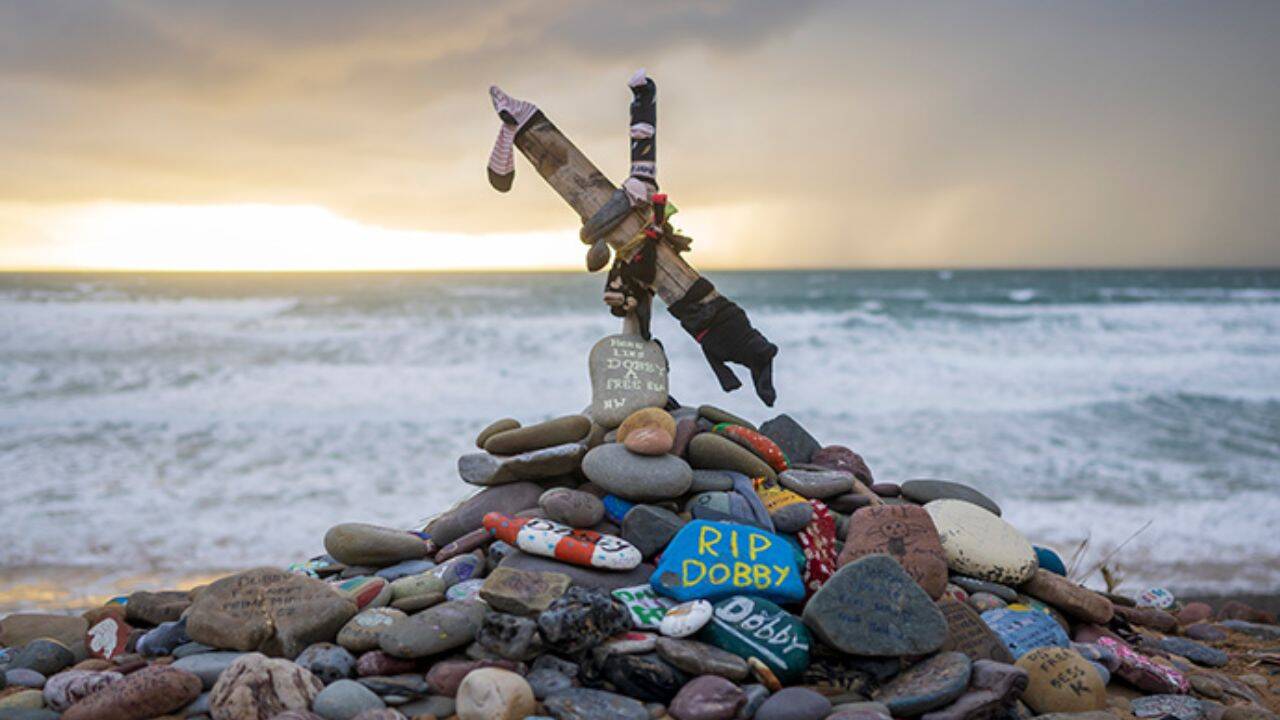
If you know your film history, you know that exact stretch of sand. It is stunning, windswept, and instantly recognizable to millions of moviegoers. It served as the filming location for the heartbreaking seashell scene in Harry Potter and the Deathly Hallows Part 1. This is where Dobby dies in Harry's arms.
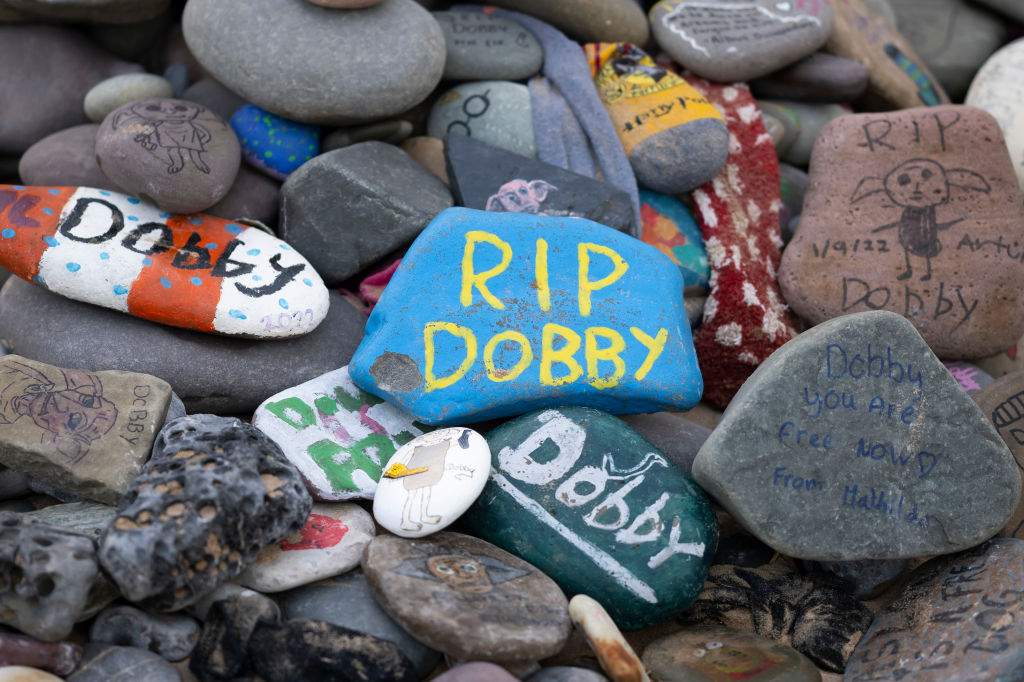
Fans had turned a modest dune area into an unofficial shrine. They left painted pebbles, socks hung on driftwood, and handwritten notes mourning the cinematic death of the beloved character. When engineers arrived with plans to tear up parts of the area for trenching and heavy cable laying, the fandom reacted instantly.
How Fandom Pressure Changed Engineering Maps
Engineers hate changing routes. Every meter shifted means new environmental surveys, fresh planning permissions, additional costs, and angry landowners. Shifting a multi-million-pound energy corridor because of a pile of painted rocks sounds absurd.
Yet, the developers miscalculated the sheer scale of the backlash.
Local authorities and environmental groups received an avalanche of correspondence. Fans argued that Freshwater West was not just a patch of grass and sand. It was a cultural landmark for a global community. The National Trust, which manages parts of the coastline, also stepped in to raise concerns about the heavy tourist footfall colliding with fragile dune ecosystems and construction traffic.
The developers realized they had a PR disaster brewing. Nobody wants to be remembered as the company that paved over Dobby's grave for a trench.
Instead of pushing forward, the project team went back to the drawing board. They rerouted sections of the onshore cable path. They adjusted the landfall construction zones to keep heavy machinery away from the sensitive dune ecosystem and the primary fan shrine areas.
It proved that even massive infrastructure consortiums will bend when public sentiment reaches a fever pitch. You cannot simply ignore millions of passionate voices, especially when they are backed by environmental protection laws and local council oversight.
The Real Cost of Pop Culture Landmarks
Fandom tourism is a double-edged sword. On one hand, it brings cash to local economies. Hotels, cafes, and gift shops in Pembrokeshire love the steady stream of muggles making the pilgrimage to Wales.
On the other hand, plastic socks, painted stones, and thousands of boots tramping over fragile coastal dunes cause real environmental damage. The National Trust previously issued warnings about visitors leaving non-biodegradable items behind. They asked fans to stop leaving socks and painted pebbles because it disrupts the local wildlife.
The power cable saga brought this tension into sharp focus. The fans fought to protect the site, but their very presence had already changed the landscape.
When you visit Freshwater West today, you see the clash between raw nature, heavy industry, and pop culture myth-making. You have an ancient coastline, a high-tech international power link buried beneath the turf, and a memorial made of odd socks.
What This Means for Future Infrastructure
Big projects always face friction. Planners deal with landowners, endangered birds, historical ruins, and local NIMBYism. Adding fictional shrines to the checklist of environmental impact assessments is a brand-new headache for civil engineers.
Developers are learning to consult communities much earlier in the process. They cannot just look at topographical maps and soil composition anymore. They have to look at cultural mapping. They need to know what a patch of sand means to the outside world before they drop heavy excavation equipment on it.
The Greenlink project eventually moved forward. The power flows between the UK and Ireland. The grid is stronger. The energy transition marches on. And Dobby's unofficial grave remains intact, protected by a combination of local activism, environmental oversight, and corporate compromise.
Next time you flip a light switch, remember that the electricity might be traveling through a cable that was bent around a fictional elf's burial site. Sometimes, pop culture wins against concrete and steel.