Louisiana woke up to a nightmare that feels hauntingly familiar but hits with a new, jagged edge of cruelty. A gunman opened fire in a morning spree that took the lives of at least eight children. It's the kind of news that stops your heart. You see the notification on your phone and for a split second, you hope it’s a glitch. It isn't. The details coming out of the investigation are grim. Families are destroyed. A community is shattered. Beyond the immediate shock, we’re left staring at the same old questions that never seem to get answered.
The tragedy in Louisiana isn't just another headline. It’s a systemic failure. When children are targeted during their morning routine, the safety net we’ve spent decades weaving hasn't just frayed—it’s snapped. People want to know how this happened and why nobody stopped it. They want to know if their own kids are safe tomorrow. Honestly, providing those answers is getting harder every single day because the data shows we're repeating the same mistakes.
What We Know About the Louisiana Spree
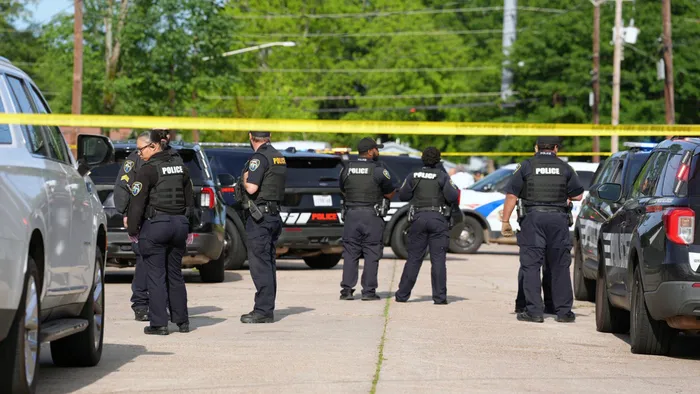
The timeline of the shooting suggests a level of premeditation that makes the stomach turn. This wasn't a sudden burst of undirected rage. The gunman moved through specific locations during the early morning hours, specifically targeting areas where children were present. Local law enforcement has confirmed that the death toll includes at least eight minors, though that number could shift as hospitals work through critical injuries.
Police haven't released the shooter's full manifesto yet, but early reports indicate a history of escalating erratic behavior. This is a pattern we see constantly. Red flags were waving in the wind for months. Neighbors reported disturbances. Social media posts hinted at a breaking point. Yet, here we are again. The shooter was eventually neutralized, but the damage was done in a matter of minutes. That’s all it takes. Minutes.
We need to talk about the response time. First responders were on the scene within six minutes of the first 911 call. In the world of tactical response, that’s actually quite fast. But in the world of a high-capacity firearm, six minutes is an eternity. It's long enough to change a town's history forever. This gap between the start of an event and the arrival of help is where the most lives are lost. It’s the "dead space" that security experts are obsessed with, and Louisiana just became the latest case study in why speed is everything.
The Mental Health Warning Signs Everyone Ignored
It's easy to call the gunman a monster. It’s harder to look at the community and ask why the warning signs didn't lead to action. We’ve seen this movie before. The "loner" who suddenly starts buying tactical gear. The guy who makes cryptic threats that people laugh off because they don't want to "cause trouble."
In this specific Louisiana case, there are reports that the gunman had been involved in multiple domestic disputes in the weeks leading up to the spree. Research from the Everytown for Gun Safety support fund shows a massive overlap between domestic violence and mass shootings. We keep treating these as separate issues. They aren't. If someone is violent at home, they’re a high-risk candidate for public violence. It’s a direct line.
You’ve probably heard people say that "mental health is the real issue." While that’s partially true, it’s also a bit of a cop-out. Millions of people struggle with mental health and never hurt a soul. The issue here is the specific intersection of crisis, resentment, and easy access to high-velocity weaponry. When those three things meet, you get a morning like the one Louisiana just suffered. We need better intervention strategies that don't just rely on someone calling a tip line. We need proactive monitoring of individuals who have already demonstrated a propensity for violence.
Security Failures and the Myth of the Safe Zone
We like to think there are safe zones. Schools, playgrounds, residential streets in the morning. This shooting happened in places where people felt most secure. The reality is that "soft targets" are preferred by these gunmen because they offer the least resistance.
Let's be blunt. Our current security posture is reactive. we're great at cleaning up and investigating after the yellow tape goes up. We're terrible at the "left of bang" side of things—the period before the first shot is fired. Hardening targets isn't just about more locks or more guards. It’s about changing how we perceive public spaces.
Common Misconceptions About Public Safety
- More cameras prevent crime. They don't. They just record it for the evening news.
- Armed guards are a silver bullet. They can help, but they can't be everywhere at once.
- Strict laws alone stop shooters. Shooters who don't care about dying don't care about laws.
The Louisiana shooting proves that even with modern law enforcement techniques, a determined individual can cause massive casualties before anyone can blink. We have to stop thinking that a single policy change or a new piece of tech will fix this. It’s a cultural and structural overhaul that’s required.
Why the Morning Spree is Different
Most high-profile shootings happen in confined buildings like offices or schools. This was a "spree." That means the shooter was mobile. He moved from point A to point B to point C. This creates a massive challenge for police because the "active scene" is constantly shifting.
When a shooter is mobile, the communication lag between different jurisdictions can be deadly. If the first shooting happens in one precinct and the second happens in another ten minutes later, the second precinct might not even know they’re in danger yet. Louisiana's emergency dispatch systems are under fire right now for how they handled the transition between locations. There are reports of dropped calls and confused directions. In a situation where every second equals a life, that kind of friction is unacceptable.
We're also seeing a shift in the age of victims. At least eight children. These weren't collateral damage; they were the targets. This reflects a darkening of the psychological profile of mass shooters. They're looking for the maximum emotional impact. They want to hurt the collective soul of the country. By choosing children, they ensure the news cycle stays on them for weeks. It's a sick kind of fame-seeking that we haven't figured out how to de-incentivize.
Practical Steps for Community Awareness
You're probably feeling helpless. Most people do after reading something like this. But "thoughts and prayers" aren't a strategy. If you want to actually do something, you have to look at your own surroundings differently.
First, stop being afraid to report things. The "mind your own business" culture is killing people. If you see someone in your circle or neighborhood who is clearly spiraling and talking about violence, make the call. Don't worry about being "that neighbor." Being a "snitch" is better than being a witness to a funeral.
Second, demand better coordination between local and state law enforcement. The tech exists to sync dispatch centers instantly. If your local government isn't investing in unified communication platforms, they're leaving you vulnerable. Ask the hard questions at town halls. Don't let them pivot to easier topics.
Third, get trained in basic first aid. Many of the deaths in Louisiana were due to blood loss. While we can't always stop a bullet, we can sometimes stop the bleeding. Programs like Stop The Bleed provide training that can keep someone alive until the paramedics arrive. It’s a small, tangible way to take back some power in an unpredictable world.
The Long Road to Recovery for Louisiana
The physical wounds will heal for the survivors, but the psychological trauma is permanent. A town that loses eight children in a single morning doesn't just "bounce back." This is a multi-generational scar.
We need to watch the legal proceedings closely. The investigation into the shooter's background will likely reveal a trail of missed opportunities. We should hold the institutions that failed to act accountable. Whether it was a local court that didn't enforce a restraining order or a background check system that missed a disqualifying record, someone has to answer for the gaps.
Louisiana is currently setting up victim compensation funds and mental health clinics for the survivors. If you’re looking to help, donate directly to local organizations rather than big national groups. The money stays in the community and goes toward the long-term counseling these families are going to need for the next twenty years.
The gunman is gone, but the fallout is just beginning. We can't keep acting surprised every time this happens. We know the variables. We know the risks. The only thing we don't seem to know is how to find the collective will to change the outcome before the next morning spree starts.
Keep your eyes open. Check in on your neighbors. Don't ignore the red flags. It’s the only way we actually stand a chance at preventing the next headline from being about your town. If you see something that doesn't feel right, trust your gut and act immediately. Don't wait for permission to care about your community's safety.