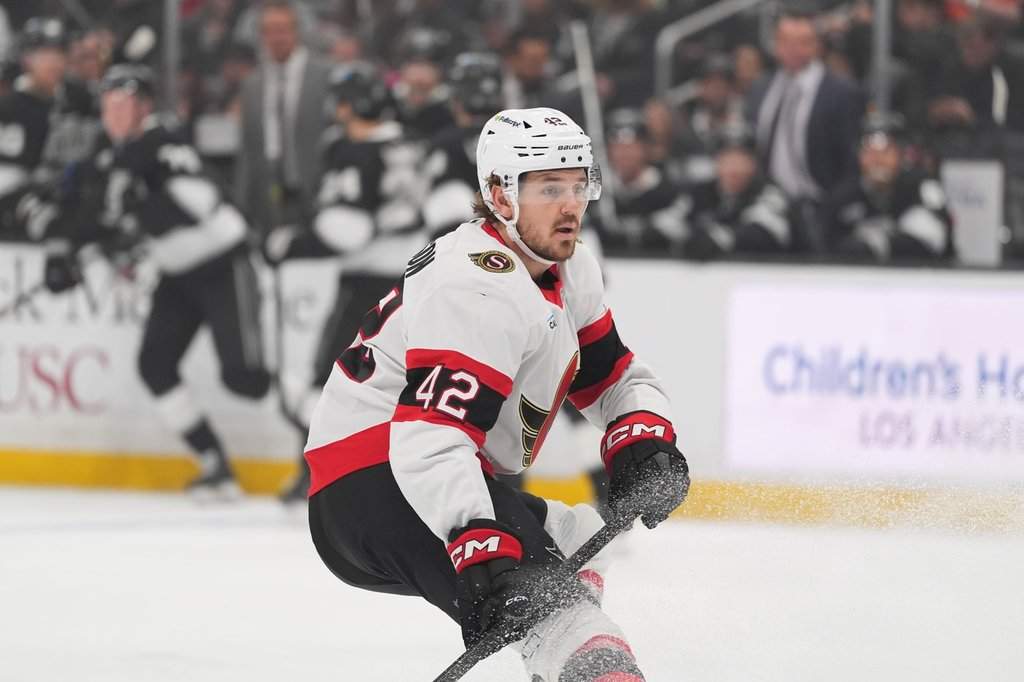
Two games. That's all Ottawa Senators forward Hayden Hodgson got after blasting Los Angeles Kings defenseman Brandt Clarke head-first into the end boards at Crypto.com Arena on October 29, 2026.
If you watched the replay, you probably expected worse. Clarke was in a vulnerable spot below the goal line, trying to play a dumped-in puck, when Hodgson charged in and drove him straight into the glass. Clarke left the game with an upper-body injury and didn't come back. Hodgson took a five-minute major and a game misconduct on the ice, and the NHL Department of Player Safety handed down a two-game suspension the next day.
Most wire reports give you the bare facts—two games, $8,762.88 in forfeited pay, done. They completely miss why the league settled on such a short ban for a player with a massive rap sheet, and what that ruling actually tells us about how NHL discipline works right now.
The Incident That Triggered the Suspension
Let's look at the exact context of the hit, because timing matters in hockey discipline.
Midway through the second period of an eventual 6-5 overtime loss to Los Angeles, the Senators were reeling. The Kings had just erupted for three goals in four minutes and three seconds to grab a 4-1 lead, chasing Ottawa goaltender Jonas Johansson from the crease. Frustration on the Senators' bench was boiling over.
Around the 11-minute mark of the frame, Ottawa dumped the puck into the Los Angeles zone. Brandt Clarke wheeled back below the goal line to retrieve it. Hodgson didn't pull up. He took a long run at Clarke, finishing his check violently against the boards.
Chaos followed immediately. Kings forward Erik Haula jumped in to defend his young teammate, drawing a two-minute roughing minor. Referees slapped Hodgson with a five-minute major for boarding and tossed him from the game.
When the Department of Player Safety announced Friday morning that Hodgson would have a disciplinary hearing on grounds of both boarding and charging, fans assumed a five-to-seven-game ban was coming. Instead, the league announced a two-game suspension for boarding.
Why the NHL Didn't Throw the Book at Hodgson
Here's where most casual observers get tripped up. You look at Hayden Hodgson's career and see a walking penalty box. Over just 24 NHL games across five seasons, he's racked up 51 penalty minutes. Down in the American Hockey League, he has piled up roughly 20 games worth of suspensions over the last five years for elbowing and other dirty hits.
So why didn't the NHL treat him like a repeat offender?
Because under the NHL Collective Bargaining Agreement, AHL suspensions don't legally count toward NHL repeat-offender status.
I've watched fans argue about this rule for years, and it drives people crazy every single time. When the Department of Player Safety calculates discipline, two completely separate tracks exist:
- The CBA Repeat Offender Rule: A player is only considered a repeat offender for financial forfeiture purposes if they have been suspended or fined by the NHL within the previous 18 months.
- Disciplinary History Consideration: Player Safety can look at prior NHL supplemental discipline when deciding how many games to tack onto a suspension, even outside that 18-month window.
Hodgson hadn't been suspended in the NHL before. He had been fined $2,018.23 back on October 1, 2025, for boarding Montreal's Alex Newhook during a preseason game, which put him on the league's radar, sure. Yet without a prior NHL suspension on his record, George Parros and his department treated this primarily as a first-time NHL suspension offense.
Clarke's injury status also played a quiet role. Even though Clarke didn't return to Thursday night's game, he was back on the ice practicing with the Kings on Friday morning. Player Safety consistently weighs whether an opponent suffers a long-term injury when setting the number of games. Because Clarke avoided a concussion or prolonged absence, Hodgson caught a massive break.
The Real Financial Cost of a Two-Game Ban
When headlines say a player forfeits $8,762.88, it sounds like pocket change compared to the $68,041.14 Chicago's Frank Nazar lost for a two-game suspension earlier in October 2026.
Don't let the small dollar figure fool you. For a depth forward grinding on a two-way or league-minimum deal, losing nearly nine grand hurts.
Under CBA rules, a non-repeat offender forfeits salary based on the number of days in the NHL regular season—usually around 186 to 192 days—rather than the 82-game schedule. You take the player's average annual salary, divide it by the total days in the season, and multiply that daily rate by the number of games missed. All of that forfeited money goes straight into the Players' Emergency Assistance Fund.
For Hodgson, who had zero points, one shot on goal, and 13 hits in five games before the ejection, the financial hit is only half the problem. Roster spots for fourth-line enforcers are fragile. Every game you sit in the press box is a game where a hungry prospect from the minors gets to show the coaching staff they can bring energy without taking five-minute majors.
How the Suspension Shook Up Ottawa's Roster
Ottawa couldn't afford to play shorthanded during their California road swing. Immediately after the suspension came down on Friday, Senators management recalled wingers Xavier Bourgault and Philip Tomasino from their AHL affiliate in Belleville.
Look at the difference in what those call-ups bring to the lineup:
- Xavier Bourgault: A former first-round pick with legitimate offensive instincts and playmaking vision who pushes the pace rather than chasing hits behind the net.
- Philip Tomasino: An established NHL-caliber middle-six winger who can kill penalties, chip in secondary scoring, and play disciplined hockey in tight third-period games.
Hodgson missed Saturday's road game against the San Jose Sharks and Sunday's matchup against the Anaheim Ducks. He became eligible to return for Wednesday's clash in Buffalo, though earning back his sweater isn't guaranteed when skilled players get a chance to prove their worth.
Honestly, that's the biggest risk for guys playing Hodgson's style in today's NHL. Coaches love toughness until toughness puts the penalty kill on the ice for five straight minutes down three goals. Ottawa managed to claw back into that Los Angeles game and force overtime, stealing a point despite Hodgson's ejection—which only proved they didn't need reckless hits to spark a comeback.
What This Ruling Means for NHL Player Safety Going Forward
If you're a player or a fan trying to predict how the NHL will police boarding this season, this ruling sets a pretty clear baseline.
First, dumping the puck in and finishing a check below the goal line remains one of the biggest danger zones in hockey. Defensemen turning their backs to retrieve pucks near the end boards are protected heavily by Rule 41 (Boarding). Even if the defenseman turns late, Player Safety puts the burden squarely on the hitter to minimize contact or pull up.
Second, minor-league discipline stays in the minors. Until the NHL and NHLPA negotiate language in a future Collective Bargaining Agreement that bridges AHL and NHL disciplinary records, players with long histories of reckless play in the AHL will keep getting "clean slate" leniency on their first major NHL offense.
Third, Hodgson's leash is officially gone. He now has an active NHL suspension on his permanent record. If he delivers another questionable hit in the next 18 months, he loses non-repeat offender status, his salary forfeiture jumps dramatically—calculated per game (1/82nd of annual salary) rather than per day—and any suspension starts at five games minimum.
If you're tracking Ottawa's roster moves or managing a fantasy hockey lineup in deep banger leagues, drop Hodgson immediately and keep an eye on Philip Tomasino's ice time—until Hodgson proves he can stay out of the penalty box, his NHL minutes belong to guys who can actually help the Senators win.