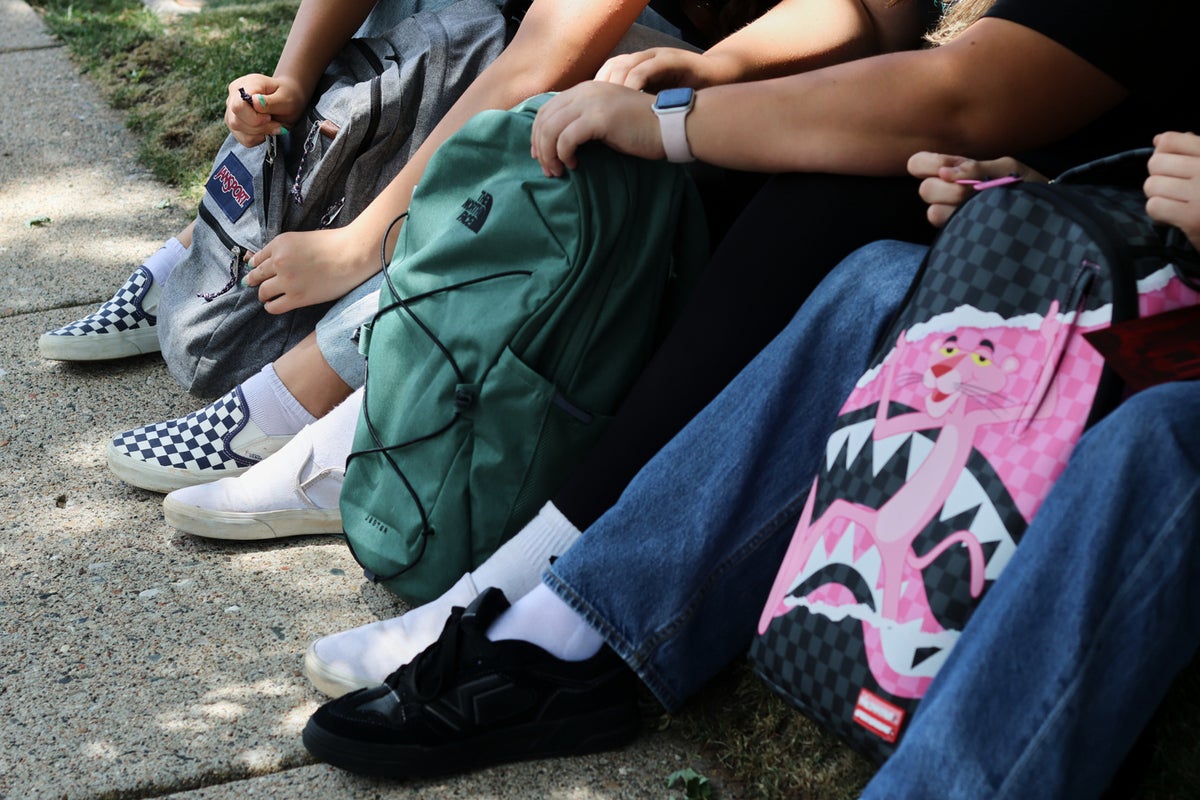
September arrives with a specific sensory signature. The crisp bite in the morning air, the scent of freshly sharpened pencils, and the distinct, ominous thud of a canvas backpack hitting the hallway floor.
Watch a child walk home from the bus stop today. Notice their posture. The natural human spine, a graceful and resilient engineering marvel designed for movement, curves into a defensive question mark. Shoulders hunch forward. Necks crane unnaturally to compensate for a shifting center of gravity. We watch this happen every single autumn, and we call it normal. For a different view, read: this related article.
It is not normal. It is an injury in slow motion.
The Anatomy of an Oversight
To understand the hidden danger, we have to look past the bright neon patterns and cartoon characters stitched onto school gear. We have to look at the physics acting upon a developing skeletal system. Related coverage regarding this has been shared by CDC.
(Note: The following scenario is a composite illustration based on standard pediatric physical therapy case studies.)
Take Maya, a ten-year-old in the fifth grade. Maya is bright, energetic, and fiercely independent. She packs her own backpack. Inside goes a heavy math textbook, a social studies binder, a laptop provided by the district, a case of colored markers, a heavy stainless steel water bottle, and a change of clothes for after-school sports. On a bathroom scale, that bag tips the scales at nearly eighteen pounds.
Maya weighs sixty pounds.
That backpack represents nearly thirty percent of her total body weight. Pediatric orthopedists advise that a child should never carry more than ten to fifteen percent of their body weight on their spine. When we cross that threshold, the body shifts its biomechanics. To keep from falling backward, Maya instinctively leans her torso forward, hyperextending her neck and pinching the nerves along her cervical spine.
Day after day, month after month, that structural compromise rewires how she moves.
The Silent Accumulation
We tend to measure danger by its velocity. A scraped knee, a broken arm on the playground, a fever that spikes at midnight—these demand immediate attention. They come with tears, bandages, and dramatic ER visits.
Poor ergonomic habits do not announce themselves with drama. They whisper.
The child who complains of a dull ache between their shoulder blades after third period is not just tired. The student who rubs their lower back while sitting at the kitchen table doing homework is experiencing micro-trauma. Muscles strain to stabilize a load they were never meant to anchor. Ligaments stretch. Over time, the supportive musculature around the spine fatigues, forcing the bones themselves to bear the brunt of the burden.
Parents notice the symptoms indirectly. A drop in concentration because physical discomfort is distracting. Chronic tension headaches that seem to stem from nowhere. A general lethargy after school that gets blamed on heavy workloads, when the physical exhaustion of simply hauling a portable locker across three miles of concrete is the true culprit.
We bought the wrong bag. Or rather, we packed it the wrong way, chose the wrong style, or ignored the silent accumulation of weight until the damage settled into posture.
Rewriting the Routine
Fixing this does not require abandoning education or ignoring the reality of modern schooling. Laptops, reference books, and project supplies are non-negotiable parts of the curriculum. The adjustment happens in how we manage the interface between the child and the load.
Consider what happens next: We open the zipper.
Most children wear their backpacks slung casually over a single shoulder. It looks effortless. It looks cool. It is also an orthopedic disaster. Shifting the entire load to one side forces the spine to curve laterally to compensate, mimicking the early stages of scoliosis.
The first rule of physical protection is symmetry. Both shoulder straps must be used, always, adjusted so the pack rests snugly against the center of the back rather than sagging low against the tailbone. A low-hanging bag pulls the wearer backward, forcing an unnatural forward lean.
Then comes the audit of the contents.
Empty the bag onto the floor. You will find rocks collected from the playground, three notebooks from previous semesters, wrappers from last Tuesday's snack, and items that belong at home. Children treat backpacks like portable attics. If it goes in, it rarely comes out. Instilling a weekly clean-out ritual transforms a physical hazard into an exercise in organization.
The Engineering of Relief
When shopping for gear, look past aesthetics and look at structure. A proper school bag requires wide, padded shoulder straps that do not bite into the soft tissue of the armpits and shoulders. Thin straps act like wire, cutting off circulation and concentrating the weight into tiny surface areas.
A padded back panel is equally vital. It prevents stray binders, spiral notebook rings, and hard laptop corners from poking directly into the child's spine as they walk, run, or climb stairs.
For older students carrying massive loads across sprawling high school campuses, the rolling backpack often sparks a debate. Stylistically, teenagers despise them. Functionally, orthopedic specialists praise them. If a child must transport heavy loads that exceed safe weight ratios, wheels remove the vertical compression force entirely. When rolling is not an option, sternum and waist straps become essential tools, redistributing the weight away from the shoulders and down toward the powerful muscles of the hips and pelvis.
The Long View
Childhood is a construction site. Every bone is hardening, every muscle is learning its permanent resting length, and every movement pattern is hardening into habit.
When we address the weight of a backpack, we are not just talking about convenience. We are talking about preserving the structural integrity of the next generation. We are giving them the physical freedom to move through the world without pain, without chronic tension, and without the invisible wear and tear that robs them of their natural ease.
Tomorrow morning, before the school bell rings, watch your child pick up their bag. Watch how their body responds to the weight. Adjust the straps. Lighten the load.
The hallway outside the classroom will always be loud, chaotic, and demanding. The weight they carry doesn't have to be.