The Burning Reality of the Scottish Highlands
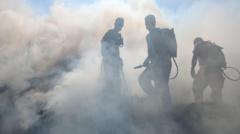
Fire is tearing through the Cairngorms, and the conventional narrative is failing to keep pace with the smoke. While official briefs focus heavily on containment percentages and immediate suppression tactics, residents on the ground point to a harsher reality. The fire is not contained. It continues to burn hard through peat and heather, exposing a systemic vulnerability in how Scotland manages its rural lands. This is no longer just an emergency response issue. It is a predictable consequence of outdated land management, shifting weather patterns, and a chronic underestimation of subterranean fire behavior.
The primary issue is not just the visible flame on the surface, but the fire burning deep underground. Standard firefighting techniques often fail when dealing with peat fires, which can smolder undetected for days or weeks before resurfacing. To truly understand why the Cairngorms remain at risk, we have to look beyond the immediate weather reports and examine the structural tension between traditional estate management and modern conservation needs.
The Subterranean Fire Trap
When a wildfire hits the Highlands, the immediate reaction is to look at the sky. Dry spells and high winds certainly accelerate the spread of surface flames across dry heather. However, the real crisis in the Cairngorms belongs to the soil. Peatlands act as massive carbon sinks, but when they dry out, they turn into highly efficient fuel sources.
Traditional firefighting relies on water dousing and creating physical firebreaks. These methods work well enough on grassland or pine needles. They often fail on peat. A surface that appears black, cold, and extinguished can harbor temperatures hot enough to reignite days later. The fire travels horizontally underground, chewing through organic matter beneath the surface, bypassing the very trenches dug to stop it.
This creates a deceptive operational environment. Teams on the ground declare a sector controlled, only for smoke to begin billowing behind their lines hours later. Local estate workers and residents understand this mechanism intimately. They see the ground breathing smoke long after the water tenders have moved on. Relying purely on surface suppression without deep-drenching equipment or long-term thermal monitoring ensures that containment remains an illusion.
The Land Management Deadlock
The debate over how to prevent these fires has devolved into a bitter ideological standoff. On one side, traditional sporting estates argue that controlled rotational burning, known as muirburn, is essential. They claim that reducing the older, woody heather through managed winter fires prevents the catastrophic fuel buildup that feeds summer wildfires.
On the other side, conservation bodies and climate scientists argue that muirburn actively damages the peat beneath, drying out the landscape and making it more susceptible to intense burns in the long run. They advocate for rewetting the moors—blocking old drainage ditches to restore the natural, waterlogged state of the bog.
+------------------------+-----------------------------------+-----------------------------------+
| Strategy               | Proponents' Argument              | Critics' Concern                  |
+------------------------+-----------------------------------+-----------------------------------+
| Muirburn (Controlled)  | Reduces surface fuel load quickly | Dries out peat, damages ecosystem |
+------------------------+-----------------------------------+-----------------------------------+
| Peatland Rewetting     | Restores natural fire resilience   | Takes years to implement fully    |
+------------------------+-----------------------------------+-----------------------------------+
Both arguments contain elements of truth, but the gridlock itself is the hazard. While the policy debate drags on in Edinburgh, the fuel load in the hills grows. The lack of a unified, cohesive strategy means that fragmented patches of land are managed under entirely different philosophies. A re-wetted conservation plot might sit directly adjacent to an unmanaged estate with decades of overgrown heather. Fire does not recognize property lines or policy disagreements. When a spark hits, it exploits these gaps ruthlessly.
Infrastructure Gaps in Remote Terrain
The Cairngorms National Park features some of the most rugged terrain in the UK. This geography presents an immense logistical nightmare for conventional fire services. Municipal fire engines are designed for roads, not steep, boulder-strewn hillsides lacking reliable water sources.
When a wildfire moves into the high passes, the response relies heavily on local gamekeepers, farmers, and estate staff. These individuals possess the all-terrain vehicles, specialized fogging units, and crucial geographical knowledge required to navigate the area safely. Yet, this auxiliary force operates largely on goodwill and informal networks.
- Access Limitations: Heavy equipment cannot reach the deep interior of the park without causing severe environmental degradation or getting bogged down.
- Water Scarcity: Natural hill lochs are often too shallow or distant to provide a continuous supply for high-volume pumps.
- Communication Dead Zones: Vast swaths of the plateau lack reliable radio or cellular coverage, complicating the coordination between official emergency services and local volunteers.
This reliance on informal defense lines is unsustainable. As summer heatwaves become more frequent and severe, expecting local communities to bear the brunt of frontline firefighting without formal integration into regional resilience strategies is a recipe for disaster.
The True Cost of Containment
Measuring the success of a firefighting operation solely by whether homes are saved obscures the broader economic and ecological devastation. The Cairngorms are home to rare Caledonian pine fragments and unique wildlife species that cannot simply relocate when a fire sweeps through.
The financial toll is also profoundly misunderstood. It is easy to calculate the cost of fuel, overtime for crews, and helicopter charters. It is much harder to quantify the long-term loss of stored carbon. When ancient peat burns, centuries of captured carbon are released into the atmosphere in a matter of days, actively undermining Scotland's broader climate targets.
Furthermore, the tourism economy of the region relies heavily on its pristine reputation. Scorched hillsides and prolonged smoke warnings deter visitors, hitting local hospitality businesses that operate on razor-thin margins. The economic shockwaves of an uncontained fire linger in the valleys long after the last ember dies out.
Shifting Focus to Active Resilience
The current crisis proves that reactive firefighting is no longer sufficient for the Highlands. The scale of the Cairngorms requires a fundamental shift toward active, landscape-scale resilience that bridges the gap between conservationists and land managers.
Instead of fighting over whether to burn or wet the land, resources must be funneled into large-scale peat restoration alongside strategic, heavily managed firebreaks near high-risk zones. This requires significant funding, but the cost of inaction is infinitely higher.
Automated ground-センサー arrays capable of detecting early thermal anomalies in the peat could provide the early warning needed to suppress subterranean fires before they break the surface. Without these modernized approaches, the emergency services will remain trapped in a cycle of chasing smoke across the hills, while residents continue to watch the horizon with justified anxiety.