Washington policy shifts rarely happen in a vacuum, especially when energy markets hang in the balance. When regulators quietly adjusted parameters around Russian diesel trade, global commodity desks did not celebrate a sudden humanitarian breakthrough; they scrambled to recalculate profit margins and logistics chains. Energy sanctions are rarely binary switches. They operate more like rheostats, dialed up or down depending on refinery bottlenecks, winter heating demands, and the stark political cost of fuel inflation at domestic pump stations.
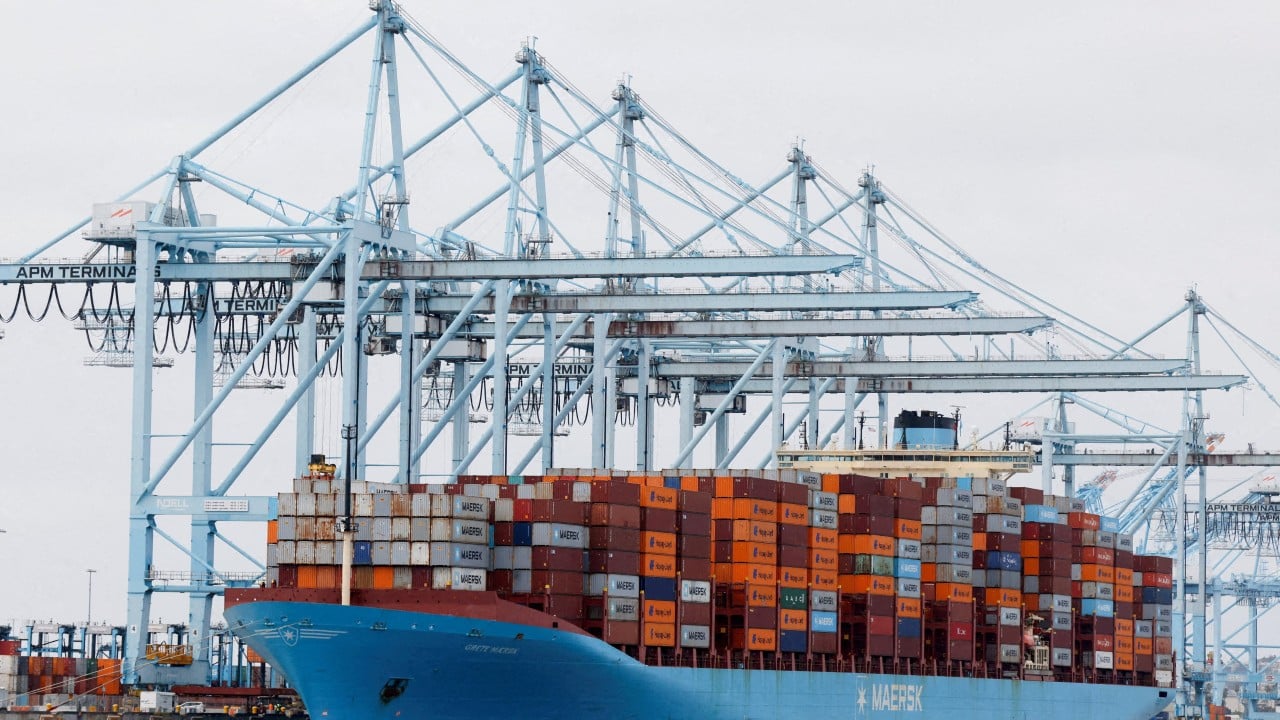
To understand why restrictions on Russian diesel exports were eased for specific global markets, one must look past geopolitical rhetoric and examine the plumbing of international shipping. Refined petroleum products do not care about diplomatic friction. They move where the price is highest and the insurance is available. For months following the initial wave of Western restrictions, European and Asian economies faced a persistent structural deficit in middle distillates. Diesel powers heavy transport, agricultural machinery, and industrial generators. When supply channels constrict sharply, the resulting price spikes ripple through grocery store shelves and manufacturing floors within weeks.
Traders who spend decades tracking tanker routes understand that total embargoes on major commodity producers create immense shadow markets. Instead of keeping barrels in the ground, sanctioned fuel often undergoes ship-to-ship transfers, blending in port terminals across Asia and the Middle East, masking its origin before arriving at Western-aligned ports at a steep markup. That intermediary friction introduces deadweight economic loss. By permitting certain channels of Russian diesel to flow more transparently under controlled price caps or specific logistical exemptions, regulators effectively sought to deflate those inflated shadow margins and stabilize broader supply indices.
The mechanics of this shift involve intricate adjustments to maritime insurance thresholds and payment routing mechanisms. Western authorities learned painful lessons during previous commodity shocks. If you squeeze global energy supply too aggressively without adequate replacement capacity, prices surge, tax revenues for producer nations actually rise despite lower volume, and allies bear the brunt of the economic damage. Refiners in regions like the Mediterranean and the Gulf adapted by acquiring discounted feedstocks, processing them, and exporting products outward, muddying the audit trail of the original crude.
Critics argue that modifying these restrictions undermines the diplomatic leverage built over years of painstaking coalition-building. Supporters counter that pragmatism must override ideology when industrial economies face acute energy shortages. Both arguments hold merit. The gray zone between total economic isolation and unhindered commerce is where modern geopolitics actually plays out.
Energy security remains a game of margins and resilience rather than absolute purity. As global demand fluctuates and new refining hubs emerge in the Global South, traditional Western-led sanctions regimes face diminishing returns. The recent adjustments to diesel trade rules signal an acknowledgment of these limits. Markets adapt faster than bureaucrats write policy documents, forcing regulatory bodies to chase commercial reality rather than dictate it.
The long-term consequences of these recurring policy pivots will take years to fully materialize. For now, industrial consumers breathe a temporary sigh of relief, knowing that the immediate threat of catastrophic fuel scarcity has receded, replaced by a complex, highly managed status quo.