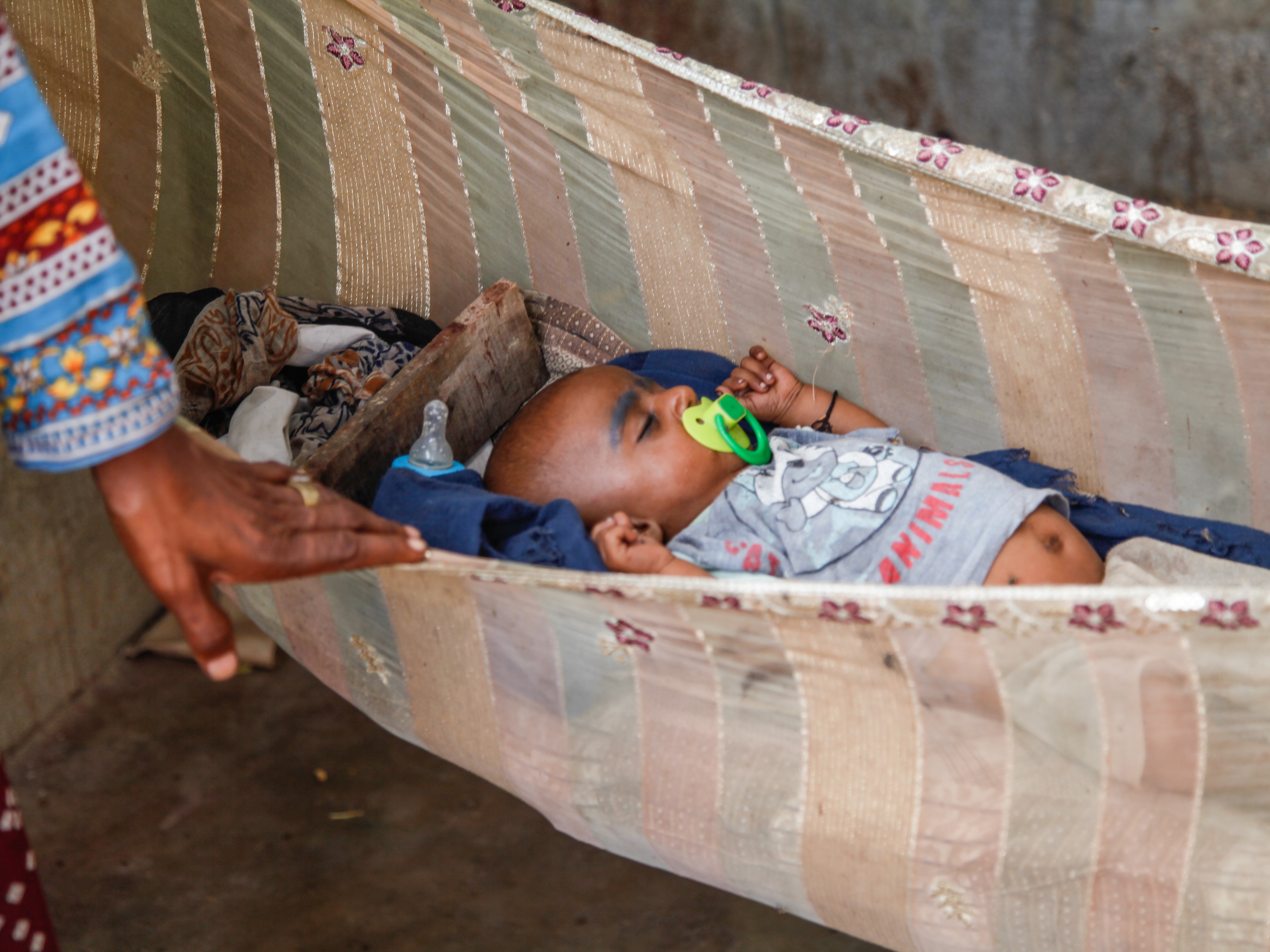
About one in four babies in specific vulnerable communities, such as the coastal fishing settlement of Rehri Goth in Pakistan, arrive early. That rate sits at nearly double national averages, triggering an urgent scramble among public health researchers to find out why. But this isn't just an isolated international tragedy. High premature birth clusters happen everywhere, from rural American counties to dense urban pockets.
When a community faces a crisis where twenty-five percent of infants are born preterm, looking at a single risk factor fails. Medicine loves simple answers. Real life rarely offers them.
The Limits of Standard Medical Explanations
Doctors usually point to a familiar checklist when a baby arrives before thirty-seven weeks. Infections, chronic high blood pressure, diabetes, maternal age, and smoking top the charts.
Yet, standard clinical explanations break down when entire neighborhoods experience sky-high spikes. If you look at places like Rehri Goth or hyper-segregated urban zip codes in the United States, you realize individual lifestyle choices don't explain the whole gap.
Environmental pressures alter biology. Recent field studies examining microbial factors and chronic environmental stress show that external surroundings actively shape pregnancy outcomes. When sanitation is poor, water is contaminated, and heat waves strike without relief, a pregnant body undergoes constant, low-grade systemic inflammation.
That inflammation triggers early labor pathways long before a due date approaches.
Environmental Stressors and the Microbiome
Let's talk about the biological mechanisms that get ignored in standard brochures. Researchers investigating dense, under-resourced settlements are discovering heavy links between local environmental conditions and the vaginal or gut microbiome.
Your body reacts to your zip code.
When clean water is scarce and ambient toxins are high, the body's immune system stays on high alert. Chronic exposure to pathogens shifts microbial balances in ways that increase vulnerability to infections like bacterial vaginosis or urinary tract infections, both known catalysts for early membrane rupture.
It is easy to tell an expectant mother to reduce stress. It is entirely useless advice when her daily reality involves hauling water, breathing polluted air, and living in extreme heat without proper climate control.
Social Determinants Go Far Beyond Healthcare Access
Public health initiatives often throw mobile clinics at a neighborhood and expect numbers to drop. Clinics matter, but they arrive too late if the structural rot remains untouched.
Poverty creates a compounding biological tax. Epidemiologists refer to this cumulative wear and tear as weathering. By the time a young woman from a disadvantaged community reaches her mid-twenties, her body has endured years of economic instability, nutritional gaps, and structural disadvantages.
Her biological age outpaces her calendar age. When she conceives, her system operates under a deficit.
Here is what most clinics miss:
- Nutritional insecurity stunts baseline fetal development before prenatal vitamins ever enter the picture.
- Occupational physical labor during pregnancy forces many women to stay on their feet past safe thresholds because they cannot afford to lose a paycheck.
- Housing instability exposes pregnant individuals to extreme indoor temperatures and mold, directly threatening gestational length.
Moving Past Band-Aid Solutions
If we want to drop premature birth rates in high-risk communities, treating pregnant women inside broken systems will never work. We have to fix the infrastructure holding those systems in place.
Real change requires investing heavily in localized sanitation, heat-resilient housing, and guaranteed economic support during pregnancy. Doctors need to look past the chart and screen for environmental toxicity and chronic neighborhood stress.
Communities cannot out-clinic a bad environment. Until public health funding shifts from reactive hospital care to proactive environmental justice, those numbers will stay stubbornly high.