Mountaineering demands respect, but sometimes it delivers pure chaos. Imagine climbing a grueling, jagged mountain when you suddenly slip and skewer yourself on your own gear. That is exactly what happened to David Cifaldi on Montana's formidable Granite Peak. He didn't wait for a chopper or panic. He walked ten miles out of the backcountry with a steel-tipped rod stuck straight through his flesh.
Let's break down how a terrifying accident turned into an absolute masterclass in backcountry triage and self-reliance.
The Brutal Reality of Granite Peak
At 12,800 feet, Montana's highest peak is no walk in the park. It tests your lungs, your grip, and your mental fortitude. Weather shifts in seconds. Boulders roll without warning. Hundreds try to summit every year, and many fail because the terrain simply refuses to cooperate.
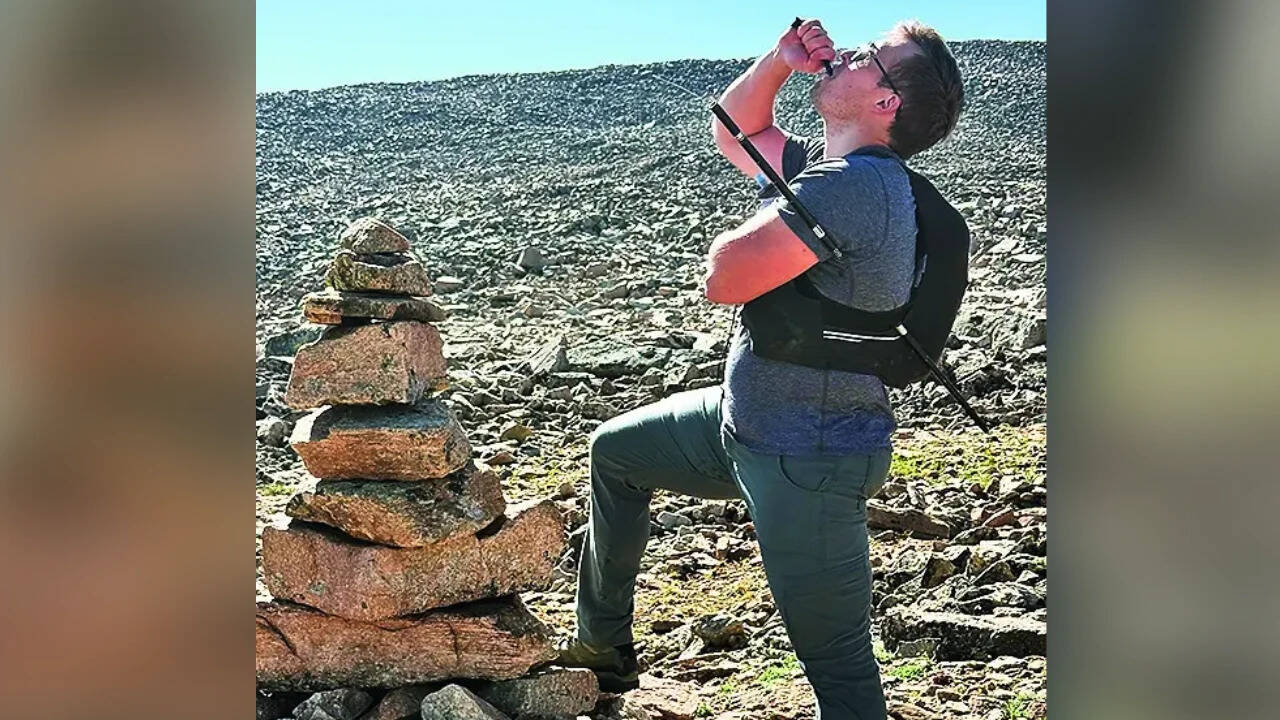
Cifaldi and his two companions were crossing the notoriously named Froze-to-Death Plateau when disaster struck. A simple slip turned violent. His 44-inch steel-tipped trekking pole entered the flesh beneath his left arm, passed completely through, and protruded out of his back.
Most people would scream, collapse, and dial 911 instantly. Cifaldi did something entirely different.
When Your Profession Saves Your Life
Panic is the ultimate enemy in a wilderness emergency. Fortunately, Cifaldi works as a wound-care nurse at a hospital in Billings, Montana. While a metal rod sticking out of your torso looks catastrophic, medical training changes how you process panic.
He executed an immediate, cold-blooded self-assessment.
- Was he breathing normally? Yes.
- Was there heavy arterial bleeding? Surprisingly, no.
- Was the pole shifting or grinding against vital organs? It appeared safely outside his chest wall.
"I'm pretty confident this is outside my chest wall," he told his hesitant friends. "Tis but a flesh wound."
His confidence instantly dictated the mood of the group. His friend Jesse Ross realized arguing was pointless. When the medical professional on the scene says you are walking off the mountain, you listen.
The Economics and Ethics of Self Rescue
Helicopter rescues sound glamorous in movies, but they carry massive financial consequences in the real world. Search and rescue ground teams might operate on a volunteer, no-cost basis, but medical transport flights routinely cost tens of thousands of dollars. That financial reality heavily influenced Cifaldi's decision to bypass an aerial evacuation.
Stillwater County Search and Rescue didn't force their hand either. Commander Ty Williams monitored their satellite communications via a Garmin inReach device. Because Cifaldi was lucid, stable, and refusing assistance, authorities respected his autonomy.
They checked in at 9:44 a.m. right after the accident. By 1:30 p.m., they were descending rapidly toward the trailhead.
The Ten Mile Trek Out
Walking ten miles with a pole jammed through your upper body sounds like medieval torture. Add in a 5,000-foot vertical drop across loose boulders and lingering snowfields, and you have a recipe for utter agony.
Yet, they pushed through. They navigated the unmarked route down the plateau, hit the established trail, and reached Ross's parked vehicle.
Instead of waiting for an ambulance, they drove straight to a local clinic. Medical staff quickly realized the wound required higher-level care, so they piled back into the truck and drove to St. Vincent Regional Hospital in Billings. Doctors safely extracted the steel tip, cleaned the wound, and patched him up. He was back at work days later.
Situational awareness matters more than expensive gear. If you ever find yourself facing a catastrophic injury miles from the nearest road, remember that composure, competent companions, and reliable satellite communication can mean the difference between a tragic headline and a remarkable survival story.