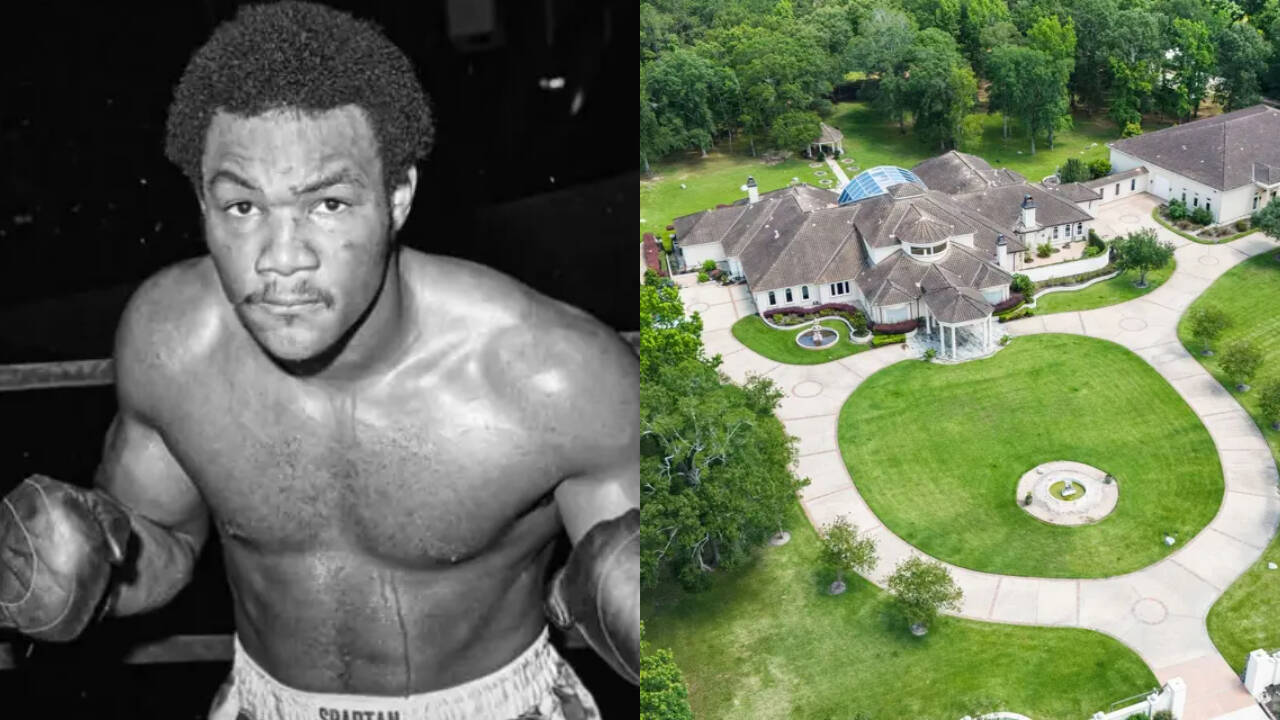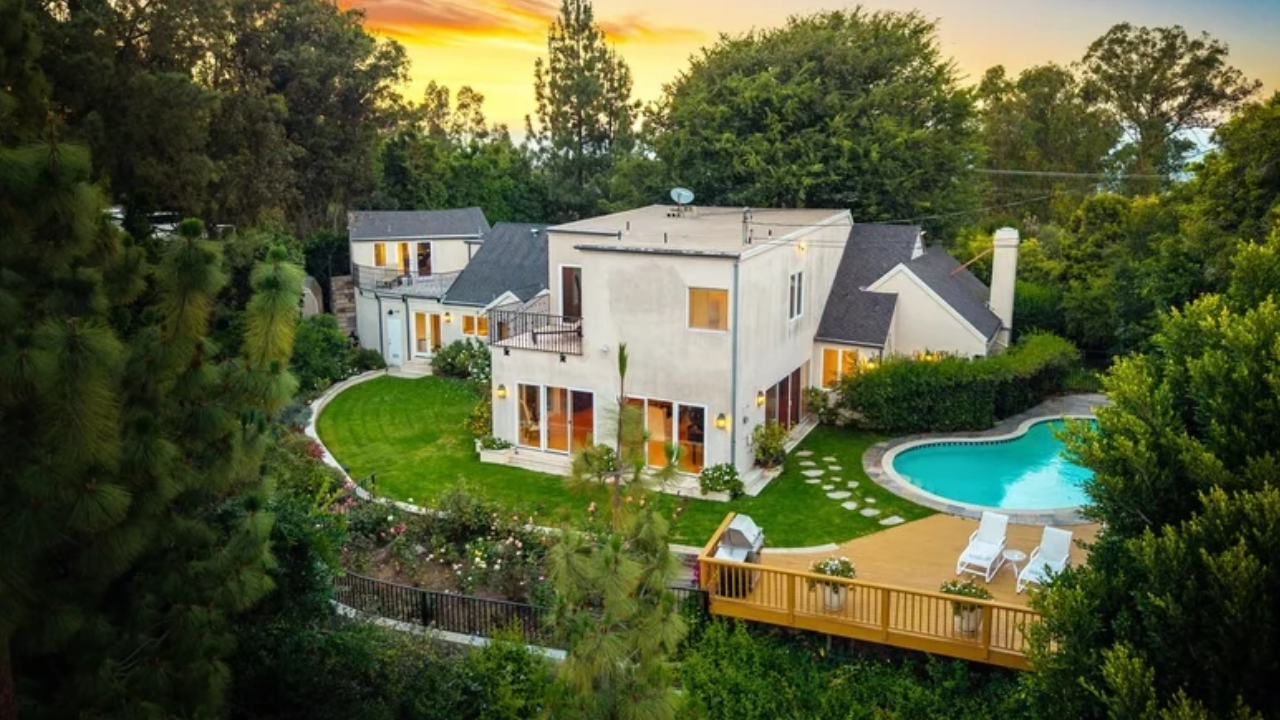
Most multi-million dollar real estate listings in Los Angeles are sterile glass boxes with zero character
Why the Legendary Boris Karloff and Gregory Peck Estate Just Hit the Market for 6.5 Million
celebs, entertainment, lifestyle
Houses have walls, but old Hollywood estates have ghosts. Not the sheet-wearing kind, but the heavy, lingering ghosts of a time when movie stars weren't just famous; they were cinematic royalty who shaped the golden age of film. Right now, a piece of that exact history is up for grabs in Southern California, carrying a cool six-and-a-half million dollar price tag.
If you think $6.5 million is just another high-end real estate figure for a glorified mansion, you're missing the point. This isn't just about square footage or modern kitchen upgrades. It's about owning a piece of structural lore once inhabited by two cinematic giants: Boris Karloff, the man who brought Frankenstein's monster to terrifying life, and Gregory Peck, the ultimate moral compass of the silver screen as Atticus Finch.
Let's look at what you actually get when you buy a house with a legendary pedigree, why celebrity real estate rarely makes financial sense, and what this listing reveals about the current high-end property market.
The Dual Legacy of Karloff and Peck
Most historic homes boast one famous former resident if you're lucky. This property wears its dual pedigree like a badge of honor. Boris Karloff lived here first, pacing the rooms when he wasn't wearing heavy Universal makeup to frighten 1930s audiences. Gregory Peck followed later, bringing a completely different energy to the estate during the height of his mid-century career.
You have to wonder what conversations those walls absorbed. Karloff was a classically trained Shakespearean actor who happened to stumble into horror history, famously soft-spoken and gentle off-screen despite playing monsters. Peck was the epitome of rugged American integrity, an actor who turned down scripts if the character wasn't honorable enough.
Buying a home like this means you aren't just paying for wood, glass, and land. You're buying provenance. But provenance is a double-edged sword. Famous previous owners can drive up the price, but they can also create massive headaches if the property falls under historic preservation laws that prevent you from updating the plumbing or tearing down a dysfunctional kitchen wall.
The Reality of Historic Luxury Real Estate
People assume buying a historic celebrity estate means walking into a preserved museum piece. It rarely works that way. Most homes from the golden age of Hollywood have undergone half a dozen remodels by subsequent owners who had wildly different tastes than Karloff or Peck.
By the time a property hits $6.5 million in today's market, buyers expect modern amenities. They want sub-zero refrigerators, smart home automation, and wine cellars that rival high-end restaurants. Blending 1930s architectural charm with twenty-first-century luxury is an expensive tightrope walk.
When you tour an estate like this, look past the staged furniture. Check the wiring. Inspect the foundation. The romance of old Hollywood fades fast when your historic electrical panel shorts out during a dinner party. Real estate agents will lean heavily on the Karloff and Peck names to distract you from deferred maintenance, so you have to keep your eyes open.
Why This Price Point Tells a Bigger Story
A $6.5 million price tag for a celebrity legacy home sits in an interesting sweet spot. It's expensive enough to weed out casual buyers, but it's far below the staggering nine-figure price tags attached to mega-mansions in Malibu or Bel-Air.
The luxury market right now is volatile. Buyers with cash are picky. They aren't just buying symbols of status; they want privacy, security, and a property that feels lived-in rather than sterile. Historic estates in established Los Angeles neighborhoods offer mature landscaping and architectural character that new construction simply cannot fake. You can't buy forty-year-old oak trees at Home Depot.
If you're eyeing this property as an investment, manage your expectations. Historic homes don't always appreciate at the same rate as modern developments because the pool of buyers who want a 1930s layout is smaller than the pool of people wanting an open-concept modern box. You buy a home like this because you love film history, architecture, and character, not because you're trying to flip it for a quick profit in three years.
What to Look Out For If You're Buying Historic
If you actually have the capital and you're seriously considering dropping millions on an old Hollywood estate, don't let the romance cloud your judgment.
First, hire an inspector who specializes in historic architecture. Standard home inspectors will panic at the sight of ungrounded vintage outlets or original plaster walls, while a preservation specialist will know whether those quirks are historic treasures or safety hazards.
Second, check the local zoning and historical landmark status. Some cities slap strict rules on your exterior paint colors, roof materials, and landscaping if the property is designated as a cultural resource. If you want to install a modern glass pool house in the backyard, the local historical board might have strong opinions about that.
Finally, enjoy the history for what it is. Walk the same halls where Boris Karloff rehearsed his lines and Gregory Peck plotted his next cinematic triumph. Just make sure the roof doesn't leak while you're doing it.
Schedule a private architectural tour through a verified luxury broker if you want to see the estate in person, or dig through local county records to examine the property's complete chain of title before making any serious moves.