Millions of motorbikes buzz through the streets of Vietnam's southern hub every single day, creating a constant symphony of horns and a thick haze of exhaust. That familiar routine is facing a hard stop. Ho Chi Minh City officials have circulated a draft vehicle emissions control plan that changes everything for commuters, delivery riders, and car owners.
If you think this is just another empty policy announcement, look closer at the timeline. The city is preparing to pilot a strict low-emission zone starting July 1, 2027. Gasoline and diesel vehicles that fail to meet modern environmental standards won't just be discouraged from entering the core; they will face automated fines and real restrictions.
Inside the Core Pilot Zone
The city isn't trying to lock down the entire metropolis on day one. Instead, authorities are targeting a tightly defined 930-hectare central footprint alongside the newly developed Thu Thiem Urban Area. This initial 16.6-square-kilometer zone packs in roughly 176,200 residents and suffers from intense traffic congestion and elevated particulate matter.
Why this specific area? Planners selected it because public transport coverage here already clears roughly 95 percent, giving commuters a viable alternative when they leave their combustion-engine bikes at home. Boundaries run along major landmarks like the Saigon River Tunnel, Vo Van Kiet, and Cach Mang Thang Tam. If you commute through District 1 or cross over into Thu Thiem daily, your choice of wheels matters immensely now.
Following the initial eighteen-month pilot phase, the blueprint scales up dramatically. By early 2029, the low-emission perimeter expands outward all the way to Ring Road 2. That secondary expansion blankets an enormous 280-square-kilometer zone supporting over six million people.
The Phased Phase-Out Timeline
Transitioning a city dominated by internal combustion engines requires a realistic schedule, which is why the Department of Construction mapped out a multi-year staircase. Buses and three-wheeled municipal collection vehicles bear the brunt first, requiring immediate conversion to electricity or clean energy by 2027.
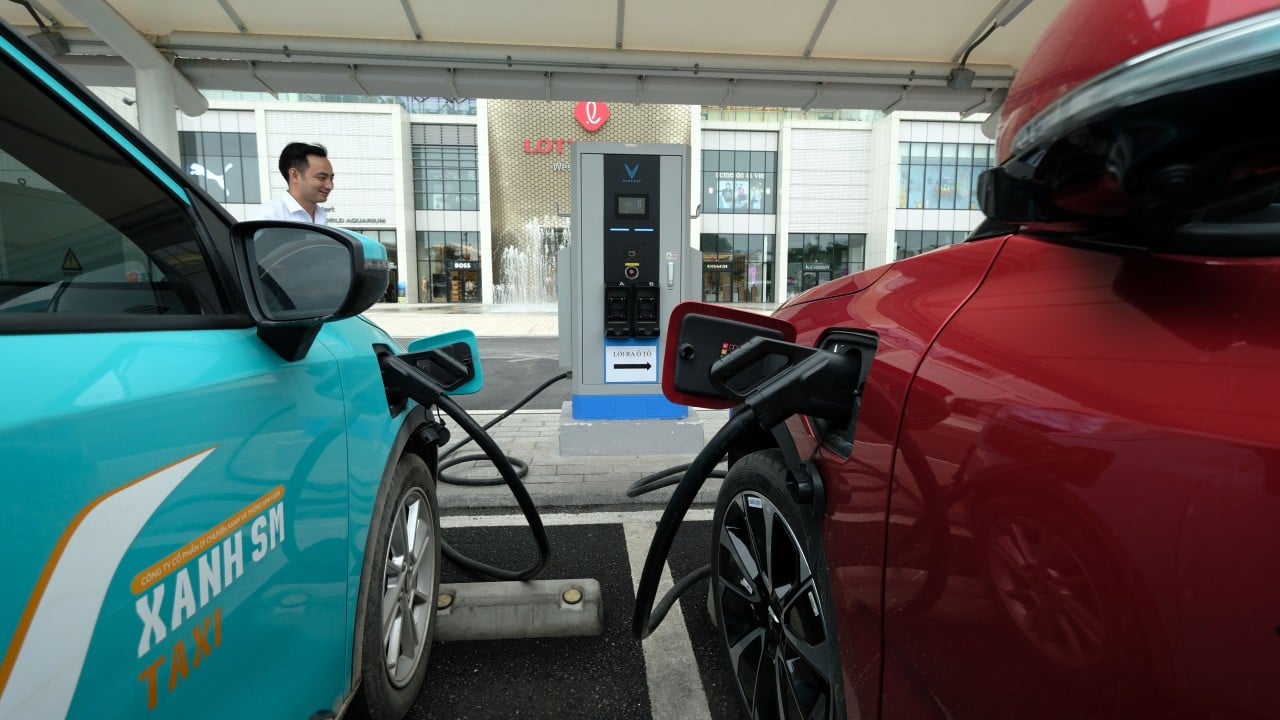
Ride-hailing motorbikes and delivery fleets cannot lag far behind. They face strict green-energy mandates by 2028. Taxis must upgrade to Level 5 emissions standards before completing their absolute transition by 2030. Private cars and motorbikes follow a slightly more forgiving, yet uncompromising track. Passenger cars must meet Level 4 standards by 2028, rising to Level 5 by 2030, before a full shift to green energy becomes mandatory by 2035.
Private motorbikes face Level 3 rules starting in 2029, stepping up to Level 4 a year later, and hitting a complete electric mandate by 2035. Outlying regions like the Con Dao Special Zone and Can Gio district operate on separate, localized timelines tailored to their unique geography, aiming for complete green vehicle integration by 2035 and 2040 respectively.
Cameras, Enforcement, and Penalties
Wondering how local authorities plan to police millions of daily vehicle entries without bringing traffic to a complete standstill? The answer is automated surveillance. The municipal plan calls for deploying over 300 automatic number plate recognition cameras across gateway routes and border roads.
These cameras link directly into vehicle registration and inspection registries. The system checks plate data instantly against emission compliance logs.
Enforcement relies on a smart rollout designed to prevent immediate public panic. The city proposes a communication-first strategy. For the first six months, non-compliant drivers receive warnings rather than tickets.
Fines scale up progressively:
- From the seventh month onward, penalties drop to 50 percent of standard rates, meaning roughly VND100,000 for motorbikes and VND200,000 for cars.
- After a full year of operation, full penalties take effect alongside potential driver license demerit points.
Operating this massive digital monitoring network is projected to cost roughly VND700 billion over five years. It's a heavy investment in municipal infrastructure, signaling that leadership views clean downtown air as a non-negotiable priority rather than a distant dream.
What This Means for Residents and Businesses
If you own a business relying on fleet delivery or operate a motorcycle taxi in Ho Chi Minh City, waiting until 2027 to plan your transition is a costly mistake. Second-hand values for older, high-polluting motorbikes and diesel trucks inside the urban core will likely plummet as the deadlines approach.
Upgrading equipment early beats scrambling when enforcement cameras go live. Keep an eye on municipal updates as public feedback finalizes the draft, and start budgeting for an electric future before the gates officially close on combustion engines.