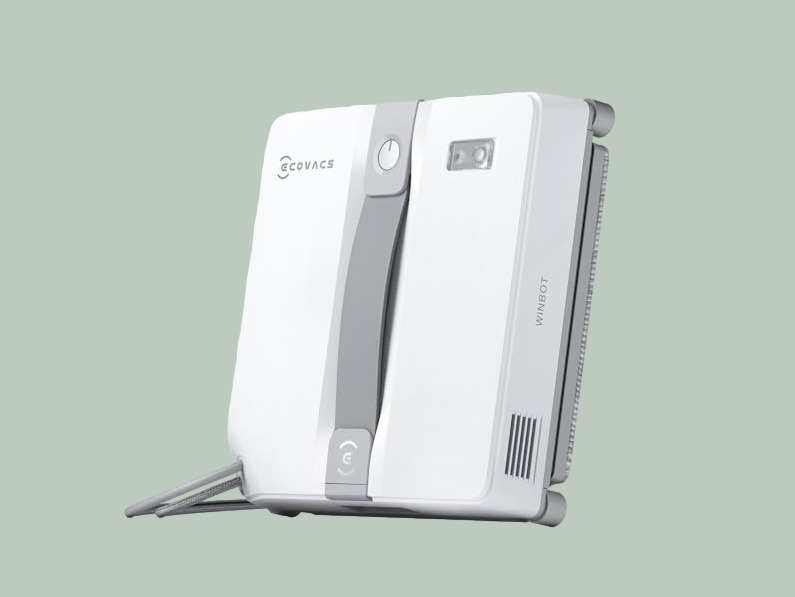
Every November, the media machine churns out the exact same recycled panic. You know the drill. Glossy lifestyle blogs and gadget roundups publish breathless guides telling you that hosting family for the holidays requires an army of high-tech cleaning robots. They tell you that your sanity depends on buying a four-hundred-dollar robotic vacuum, a motorized window scrubber, or an intelligent mop that talks back to you.
It is a con. A well-marketed, shiny, battery-operated con designed to prey on your seasonal anxiety.
I have watched smart people empty their savings accounts on automated floor scrubbers right before Thanksgiving, only to spend three hours untangling hair from the brush roll while their mother-in-law judges their baseboards. The lazy consensus of the home appliance industry says that more tech equals less stress. That is a lie. More tech simply means more points of failure, more maintenance, and more plastic junk destined for a landfill by spring.
Let us dismantle the machinery of this seasonal scam and look at why your holiday prep strategy is completely backwards.
The Automation Illusion
The primary pitch of holiday cleaning tech is simple: buy this machine, press a button, and reclaim your free time while the robot does the dirty work.
Physics begs to differ.
Autonomous vacuums and smart mops are marvels of consumer engineering, but they operate under ideal laboratory conditions. They thrive in minimalist, Scandinavian-style apartments with flat floors and zero obstacles. Your home in December looks nothing like a test lab. It looks like a staging ground for chaos. You have guests with heavy winter boots tracking in slush, gift wrap shedding metallic confetti, pine needles embedding themselves into area rugs, and chairs pulled out at awkward angles around an expanded dining table.
When you drop a robotic cleaner into this environment, you do not gain free time. You become its babysitter. You spend your morning clearing cables off the floor, rescuing the vacuum from getting stuck under the television console, and cleaning the machine's tiny filter because it choked on glitter.
I have spent years consulting on consumer hardware testing. I have seen the spec sheets. Most automated cleaning gadgets rely on random bump-and-turn navigation or basic optical mapping that fails the moment lighting conditions change or a guest leaves a duffel bag in the hallway. You are trading manual labor for high-stress technical supervision. That is not convenience. That is a bad software upgrade.
The Real Problem is Not the Dirt
The fundamental flaw in the holiday gadget narrative is a misdiagnosis of why holiday hosting feels so overwhelming.
We do not panic because our floors lack a two-micron polish. We panic because we are trying to project an impossible standard of domestic perfection to an audience of relatives who already know we leave laundry in the dryer for three days.
Throwing hardware at an emotional problem never works. Buying a motorized scrubber will not fix the underlying friction of hosting twelve people in a three-bedroom house. In fact, adding expensive gear to the mix usually heightens the tension. Now you are worrying about whether uncle Bob is going to accidentally spill merlot on a $600 automated mop dock.
If you want an immaculate house for the holidays, you do not need Wi-Fi-enabled suction. You need ruthless triage.
The Unconventional Playbook
Let us look at what actually works when you are staring down a houseful of guests and a ticking clock. Throw out the instruction manuals for the smart home ecosystem. Here is the operational reality of high-efficiency holiday management.
Embrace Strategic Ignorance
Nobody looks at your ceiling fans. Nobody inspects the top of your refrigerator. Yet, people spend days pre-hosting using handheld sonic scrubbers on surfaces that human eyes will never register.
Focus your physical energy exclusively on three zones: the entryway, the primary bathroom, and horizontal kitchen surfaces where food touches. Everything else is a distraction. If your guests are worth having over, they are there to eat your food and catch up on family gossip, not run a white-glove test across your molding.
The Power of Analog Physics
Instead of buying a battery-operated gadget that takes forty minutes to charge and covers ten square feet before dying, invest in commercial-grade analog tools.
Get a heavy-duty rubber broom for pet hair and rugs. It outperforms any robotic vacuum on the market for deep-set debris, and it costs a fraction of the price. Buy a proper commercial mop bucket with a wrangling press instead of a flimsy spray mop with proprietary cleaning solution pods. Mechanical leverage beats algorithmic wandering every single time.
Automate Your Mindset, Not Your Floors
The tech industry wants you to believe that every domestic friction point requires a silicon solution. They want you subscribed to cloud-connected cleaning apps, buying replacement HEPA filters on a monthly auto-ship, and troubleshooting firmware updates when your mop refuses to dock.
Reject the subscription model of domestic life.
Stop letting marketing departments convince you that your home is dirty just because it is lived in. The holiday season is about human connection, shared meals, and surviving family debates without throwing a gravy boat.
Put down the smartphone app that controls your baseboard scrubber. Pour yourself a drink, close the guest bedroom door, and let the dust settle where it belongs.