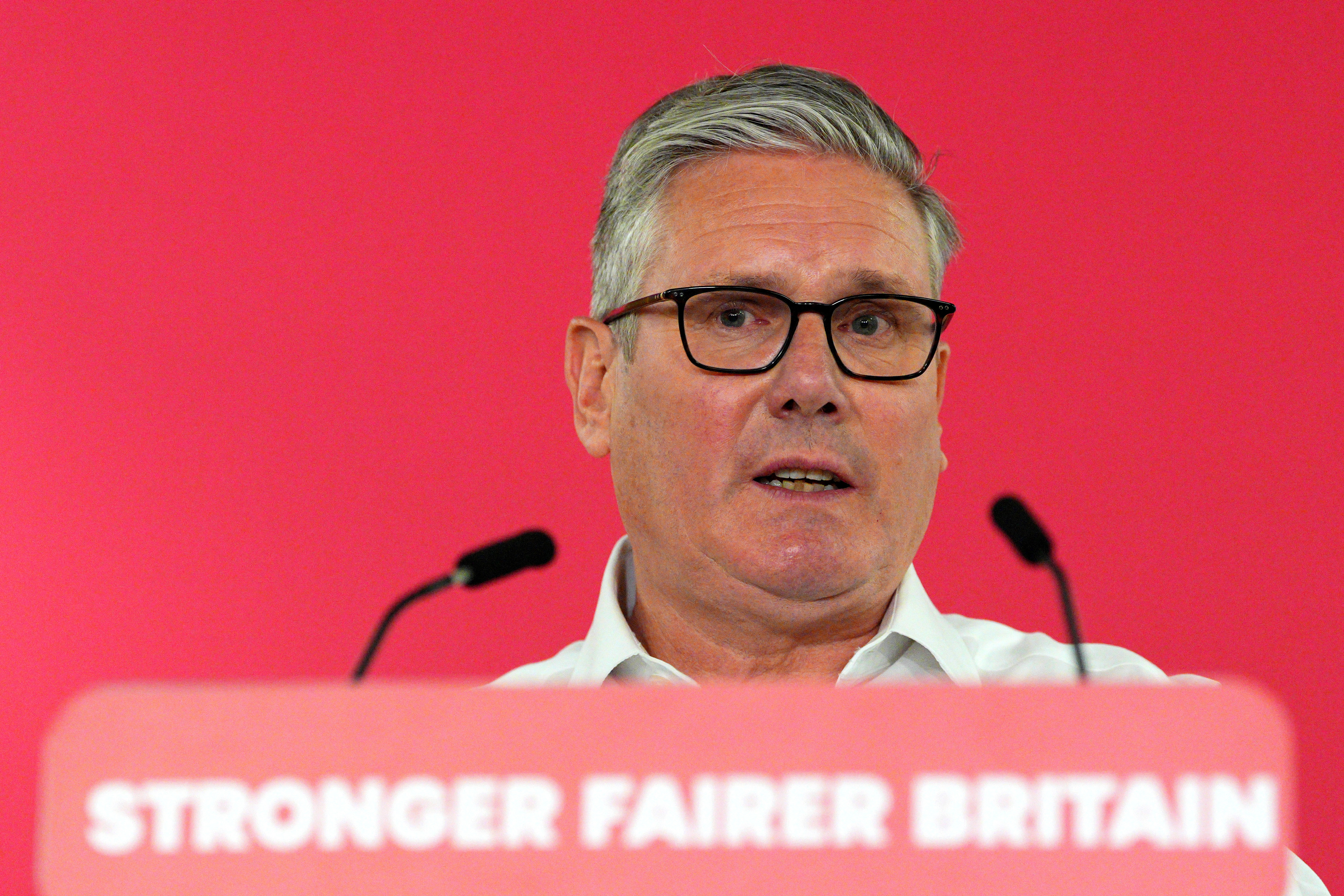
The air inside Number 10 Downing Street does not circulate like the air in a normal home. It is heavy, filtered through centuries of oak paneling and the silent, vibrating anxiety of a thousand political ghosts. On a Tuesday afternoon in July, that air turned stagnant. Boris Johnson sat behind the famous desk, the weight of a crumbling government pressing against the windowpane, while outside, the very people who had once carried him to a landslide victory began to walk away.
It started as a trickle. A letter here. A polite, pained resignation there. Then, the dam broke. Meanwhile, you can read similar stories here: Strategic Friction and Cognitive Dissonance in Tehran Washington Relations.
Imagine standing in a high-wind storm, watching the shingles of your roof fly off one by one. You tell yourself the structure is sound. You insist that as long as the foundation holds, the house remains a home. But then the rafters begin to groan. This was the scene as Rishi Sunak and Sajid Javid—the Chancellor and the Health Secretary—handed in their notices within minutes of each other. They weren't just quitting a job. They were signaling that the moral vacuum at the center of the administration had finally become unbreathable.
The British public often views Westminster as a distant theater, a place of choreographed shouting matches and expensive suits. We forget that these institutions run on a fragile currency: trust. When that currency is devalued by scandal after scandal, the entire economy of governance collapses. It isn't just about a single lie or a misplaced appointment. It is about the slow, agonizing realization that the person holding the wheel is no longer looking at the road. To understand the complete picture, check out the recent report by NBC News.
The Weight of the Resignation Letter
A resignation letter is a peculiar document. It is a break-up text written for history books. In those frantic forty-eight hours, the corridors of Parliament echoed with the sound of printers humming. Middle-ranking ministers, people whose names the public barely knew but whose work kept the gears of the state turning, were forced to choose between their careers and their consciences.
Consider a hypothetical junior minister named Sarah. She had spent a decade climbing the greasy pole, fueled by a genuine desire to fix the social care system in her constituency. She believed in the mission. But as she watched the evening news, she saw a Prime Minister defending the indefensible—again. She looked at her staff, young researchers who still believed in the sanctity of the office, and realized she could no longer look them in the eye.
The act of resigning is a public admission of failure, not of the individual, but of the collective. When forty, then fifty, then sixty members of a government resign, it is no longer a protest. It is a mutiny.
The Psychology of the Holdout
Why stay? This is the question that haunted the headlines as the numbers climbed. The Prime Minister remained defiant, huddled with a shrinking circle of loyalists. To the outside observer, it looked like madness. To those inside the bunker, it felt like a siege. There is a specific kind of psychological trap that happens at the top of the mountain; you begin to believe that you are the only person capable of saving the country from the very chaos you created.
This wasn't just a political crisis; it was a character study in the mirrors of power. The Prime Minister pointed to his mandate, the millions of votes cast in 2019, as if a democratic victory is a permanent shield against the consequences of present actions. But a mandate is not a monument. It is a living thing that requires constant nourishment.
The tension in London was palpable. You could feel it in the way people hovered over their phones in the Underground, refreshing news feeds to see if the "Big Dog" had finally been cornered. It was a national soap opera where the stakes were the stability of the fifth-largest economy on Earth.
The Invisible Stakes of a Ghost Government
While the drama played out on the front steps of Downing Street, the real cost was being paid in the quiet corners of the country. A government in freefall is a government that isn't governing.
Think about the civil servant waiting for a signature on a policy that would lower energy bills. Think about the diplomat trying to negotiate a trade deal while their superiors are clearing out their desks. When the machinery of the state grinds to a halt because of a leadership vacuum, the vulnerability of the citizen increases. We are taught to believe that the system is bigger than any one person, but these events proved that a single person’s refusal to leave can paralyze the system.
The facts of the Chris Pincher scandal—the catalyst for this final explosion—were sordid and grim. But the reaction was what mattered. It revealed a pattern of "selective memory" that had become the standard operating procedure. In any other workplace, a manager who misled their team about the conduct of a colleague would be gone in an hour. In the halls of power, it took a mass exodus to make the point.
The Breaking Point of Loyalty
Loyalty is the oxygen of politics. Without it, you cannot pass a bill, you cannot command a room, and you certainly cannot lead a nation. By Wednesday evening, the Prime Minister was facing a delegation of his closest allies—the people who had defended him through every previous storm—telling him the game was up.
There is a particular coldness to that moment. It is the sound of the door clicking shut. Even as he insisted he would fight on, the reality had already shifted. You cannot be a leader if there is no one left to follow you. The authority had evaporated, leaving behind only the husk of the office.
The British constitution is famously unwritten, relying on "good chaps" and established norms rather than a rigid legal code. This crisis tested the very limits of that informality. It asked: what do we do when the person in charge decides the rules don't apply? The answer came not from a judge or a king, but from the collective exhaustion of a political party that had finally reached its limit.
The sun set over the Thames, casting long, distorted shadows across the Palace of Westminster. The spectacle was almost over, but the scars remained. It wasn't just a change in leadership; it was a fundamental shift in the British psyche. We watched the theater of the ego collide with the reality of the institution, and for a few terrifying days, it wasn't clear which one would win.
The podium was brought out. The black door opened. The cameras flashed. The transition of power is often described as a peaceful, orderly thing, but this was a jagged, painful extraction. It was the end of an era defined by the blurring of truth and the stretching of norms.
As the boxes were packed and the letters filed away, a chilling silence settled over the cabinet table. The chairs were empty, the mahogany was polished, and the ghosts were the only ones left to watch the light fade in the room where the decisions that shape our lives are made. The lesson wasn't found in the speeches or the headlines, but in the terrifying ease with which a house of cards can stand, right up until the moment the wind changes.