Echoes Under the Ridge
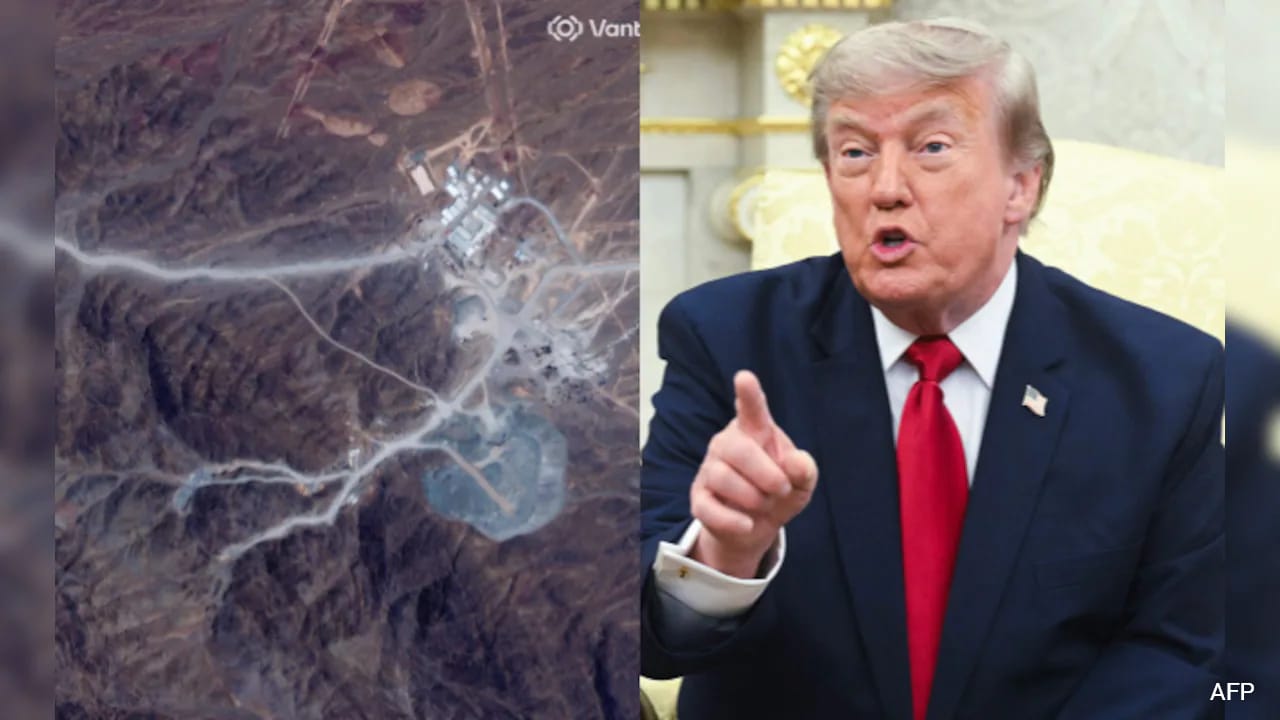
Shadows stretch long across the arid jagged spine of the Zagros range. Deep within central Iran, a land defined by ancient trade routes and modern defiance, Pickaxe Mountain rises from the desert floor like a jagged tooth. Local shepherds have grazed sheep on these rocky inclines for generations, tuned to the whistle of the dry mountain wind and the quiet shifting of stone. Today, that wind carries a different kind of tension.
Below the surface of Kuh-e Kolang Gaz-vat—literally translated as Pickaxe Mountain—lies a subterranean reality shrouded in suspicion, strategic maneuvers, and high-stakes geopolitical posturing. Read more on a connected issue: this related article.
To the global intelligence community, the mountain is a flashpoint. To the diplomats sitting in climate-controlled rooms thousands of miles away, it is a line on a satellite composite. But for the people living in its shadow, it represents the volatile boundary between fragile regional peace and devastating confrontation.
Tehran maintains that its nuclear ambitions are purely domestic and peaceful, aimed at energy and medicine. Yet, as satellite imagery reveals fresh earthworks, reinforced concrete portals, and deep tunneling activities near the Natanz complex, Washington and its allies watch with growing alarm. The whispers from intelligence analysts carry a single, heavy implication: a facility buried so deep that conventional bunker-busting munitions might simply bounce off its roof. Additional reporting by The Guardian explores related views on this issue.
The Physics of Suspicion
Consider a hypothetical satellite analyst named Sarah sitting in a dimly lit vault in Virginia. She stares at high-resolution synthetic aperture radar feeds taken over Pickaxe Mountain over six months.
She isn't looking for broad structures or obvious signs of military activity. She tracks subtle anomalies. A slight accumulation of dark granite spoil outside an unmapped tunnel entrance. The steady line of heavy transport trucks crawling up a road that, according to official regional transit maps, shouldn't exist. The gradual installation of heavy-duty ventilation shafts designed to clear heat and air from chambers carved hundreds of feet into solid stone.
This is how modern intelligence works. It does not rely on a single smoking gun, but rather a slow, relentless accumulation of small truths.
When news broke that Iran was expanding its deep underground operations near Natanz, the international reaction was swift. Tehran vigorously denied that Pickaxe Mountain housed a secret, unannounced nuclear site, insisting that all activities were transparent, legitimate, and fully within its rights under international safeguards.
"Our peaceful nuclear activities are transparent and fully under the monitoring of the IAEA," Iranian officials reiterated, dismissing Western allegations as manufactured panic designed to justify illegal military threats.
Yet, suspicion breeds its own logic. Why go so deep?
To understand the western anxiety, one must understand simple physics. Standard reinforced structures can be neutralized by conventional precision ordnance. But when a facility is placed under hundreds of meters of solid rock, the calculus changes entirely. It ceases to be an ordinary facility and becomes a fortress designed to survive an initial strike—a detail that shifts the balance of deterrence across the entire Middle East.
Living in the Crosshairs
It is easy to analyze military capabilities on a dry white paper. It is far harder to capture what it feels like to live beneath a mountain that might spark a global crisis.
In the small villages dotting the roads around Natanz and Isfahan, life carries on in an uneasy rhythm. Farmers tend to fruit orchards, shopkeepers haul crates of sweet tea, and children play in dirt alleys. Yet, the conversation at dusk frequently drifts toward the horizon.
They know what the Western headlines say. They know the rhetoric of air strikes, retributive measures, and red lines coming from Washington and Tel Aviv. They understand that if diplomatic signaling dissolves into kinetic action, the blast waves will not be contained within political speeches.
The threat of military strikes creates a ambient vibration of anxiety. When a truck backfires on the highway, heads turn a second too fast. When military jets scramble from nearby airbases for routine maneuvers, the sky feels heavy, pregnant with possibilities no one wants to name.
For the international community, Pickaxe Mountain is a puzzle of non-proliferation frameworks, enrichment percentages, and inspection protocols. For those nearby, it is a shadow cast over their homes, a reminder that their lives are linked to decisions made in secret underground corridors and distant command centers.
The Limits of Iron and Stone
The conflict over Pickaxe Mountain highlights a fundamental paradox of modern security: the more you bury something to protect it, the more attention you draw to its existence.
By digging deeper into the earth, a nation seeks to shield its vital infrastructure from potential attacks. Yet, that very act of burrowing signals to adversaries that whatever sits inside those tunnels is valuable enough to warrant ultimate protection. Security creates suspicion; suspicion accelerates preparation; preparation invites preemptive action.
The United States and its regional allies face a dilemma of their own. Rhetoric regarding military options is intended to project resolve and force diplomatic compliance. But military options against deeply buried sites are complex, fraught with immense strategic risks, and carry unpredictable consequences for the entire region. A single strike does not simply erase a facility; it shatters international diplomatic channels, potentially driving underground programs into complete secrecy.
Diplomacy remains the only mechanism capable of peering through hundreds of feet of solid mountain rock. The International Atomic Energy Agency relies on cameras, seals, and human inspectors—tools far more effective at revealing the truth than ground-penetrating radar or bunker-busting bombs.
Yet, as rhetoric sharpens and trust continues to erode, the space for diplomatic maneuvering grows narrow.
The Shadow Stretches
Night falls over the Zagros mountains. The sharp silhouette of Pickaxe Mountain fades into the dark canvas of the Iranian sky.
On the surface, all is quiet. The wind sweeps across the barren ridges, rustling dry brush and kicking up fine dust over unpaved access roads. The heavy steel doors carved into the granite remain silent, holding their secrets tight against the cold mountain air.
Thousands of miles away, glowing monitors flicker in intelligence centers, tracking the faint heat signatures and subtle movements of a mountain that has become a flashpoint for international tension. The world watches, waits, and calculates the cost of a single misstep, while beneath the stone, the silent machinery of geopolitical conflict continues its steady, dangerous turn.