Homer knew something about us that most modern self-help books completely miss. When you look back at the ancient epics, you find gritty truths about human vulnerability rather than polished motivational speeches.
People constantly search for ancient wisdom to fix their daily burnout. They miss the real point. The quote from the Odyssey—"Of all creatures that breathe and move upon the earth, nothing is bred that is weaker than man"—hits hard because it strips away our arrogance. We spend our entire lives building shields against uncertainty. We chase stability, status, and control. Yet, we remain deeply fragile creatures caught in currents much larger than ourselves.
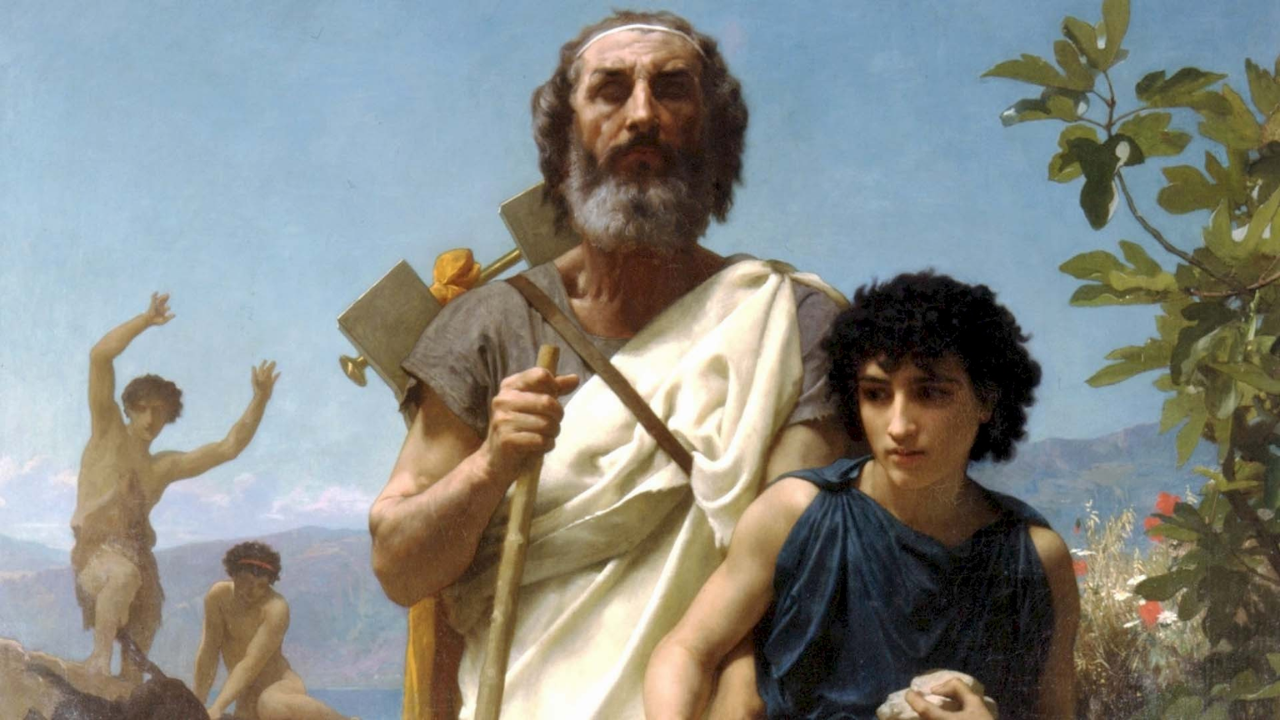
Ancient Greek literature doesn't sugarcoat this reality. Think about Odysseus tossing on his bed at night, angry and anxious, silencing his own heart while plotting revenge against the suitors. That is not a marble statue of a hero. That is a stressed-out human being lying awake at three in the morning.
The Myth of Invincibility
We live in a culture obsessed with physical and mental optimization. You track your sleep scores, optimize your productivity blocks, and try to bulletproof your career. You want to feel like a machine.
It fails because biology refuses to cooperate.
When Homer penned those lines through the voice of Odysseus disguised as a beggar, he was talking to King Amphinomus about the sheer fickleness of fate. The Greek concept of phronesis or practical wisdom starts with an honest inventory of your limitations. You can break a bone, catch a virus, or lose your livelihood in an afternoon. Pretending otherwise creates a brittle kind of confidence.
Consider how professional athletes handle career-ending injuries. The ones who bounce back aren't the ones who thought they were invincible. They are the ones who accepted their vulnerability early on and built adaptable systems around their flaws.
- Accept that bad days happen without logical reasons.
- Stop treating normal fatigue as a personal moral failing.
- Build social support networks before you actually need them.
Why Suffering Feels Personal
You stub your toe or miss a promotion and your brain treats it like a tragedy of cosmic proportions. We take personal offense at the universe for being inconvenient.
Homer understood that humans suffer simply because we breathe and move. The earth is unpredictable. The sea is stormy. The gods are whimsical metaphors for forces we cannot control.
When you read classical literature with a modern eye, you realize our psychological software hasn't updated in three thousand years. We still feel the same sting of public humiliation. We still experience the same gut-punch of grief when a relationship ends.
[Modern Life] ---> Endless notifications & hyper-optimization
[Ancient Reality] ---> Weather, mortality, and unpredictable fate
[The Intersection] ---> The human nervous system remains unchanged
Trying to out-engineer your own humanity is a losing game. You can drink all the green juice you want, but you are still made of water and temporary cells.
Practical Resilience for Fragile Beings
Accepting your weakness doesn't mean giving up. It means changing your strategy.
If you know you break down under high stress, stop signing up for chaotic environments just to prove something to your peer group. Build margins into your schedule. Give yourself permission to rest before your body forces you to stop.
History rewards the adaptable, not the rigid. Oak trees snap in a hurricane. Reeds bend and survive.
Stop fighting your own nature. Acknowledge that you get tired, you get scared, and you make mistakes. That honesty is the only real starting point for building a sustainable life.
Take a realistic look at your current calendar. Cut the obligations that only exist to massage your ego. Focus on the few things that actually matter when the unexpected storm rolls in.