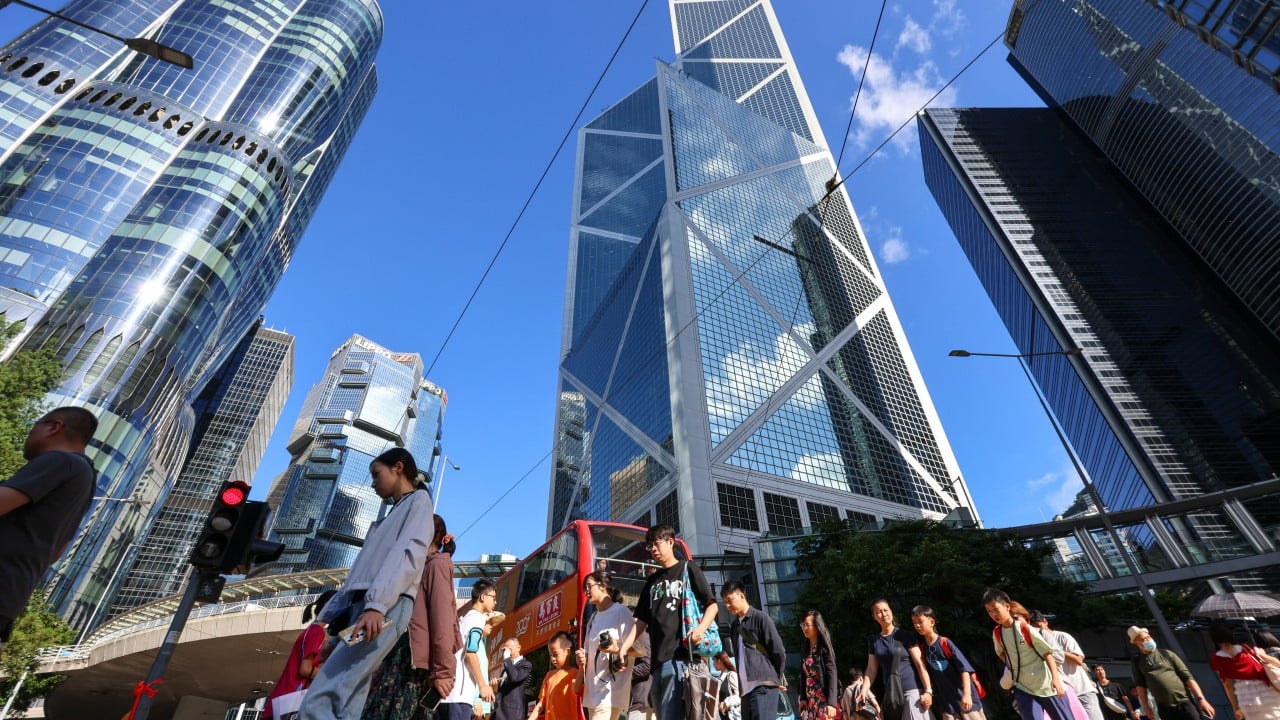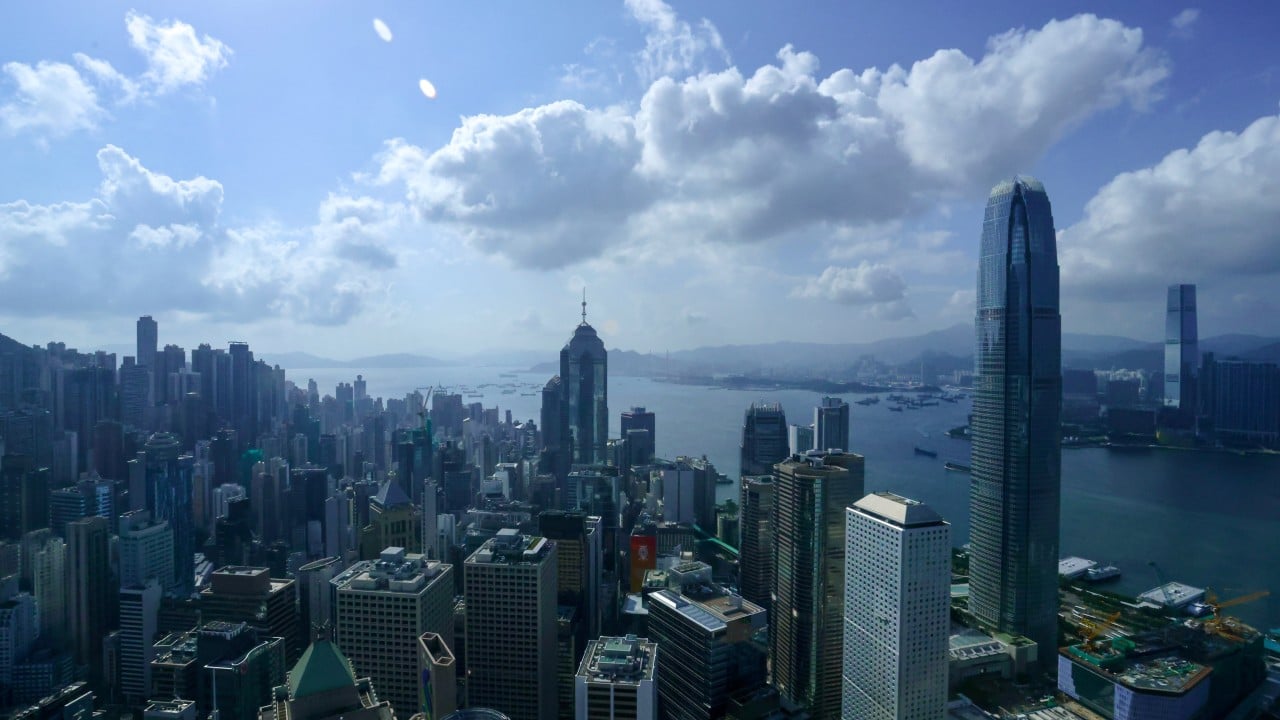
Hong Kong is abandoning its sacred cow. For decades, the administrative region operated under a philosophy of positive non-interventionism, letting market forces carve their own path while the government restricted its role to building concrete and collecting land revenue. That era is over. The introduction of Hong Kong's debut five year plan alongside the 2026 policy address marks a fundamental pivot toward state-directed development, mirroring the economic orchestration seen across the border in mainland China.
This strategy is not merely an administrative reshuffling. It is an acknowledgment that the traditional formula of property-driven growth and free-market nonchalance no longer protects the territory from structural stagnation. The city faces severe geopolitical headwinds, a shifting financial sector, and an urgent mandate to integrate more deeply with the Greater Bay Area. The blueprint sets hard targets for industrial diversification, housing delivery, and innovation output, transforming the government from a passive referee into an active player on the economic field.
Understanding the magnitude of this shift requires looking past the glossy government handouts and examining the underlying mechanics of how the city intends to reshape its economy.
The Death of Positive Non-Intervention
For generations, British-era fiscal conservatism dictated that the best industrial policy was no policy at all. Officials believed capital would always find the most efficient home, and if an industry failed, another would naturally rise to take its place. This worked brilliantly when Hong Kong served as the manufacturing workbench for the world and subsequently as the premier financial gateway to mainland China.
Realities changed. The financial gateway is no longer one-way. Shanghai and Shenzhen have matured into formidable global financial and technological capitals, stripping Hong Kong of its absolute monopoly on foreign capital inflows. Meanwhile, sky-high property costs have strangled local manufacturing, biotechnology startups, and creative enterprises before they can scale.
The debut five year plan steps directly into this void. Instead of waiting for the market to correct its own high costs and narrow economic base, the administration is picking winners. Artificial intelligence, advanced manufacturing, life sciences, and green technology sit at the center of the state-backed push. Tax incentives, subsidized land grants, and direct equity investments from sovereign funds are flooding into these designated sectors.
Critics argue that bureaucrats make poor venture capitalists. Proponents counter that without aggressive state intervention, Hong Kong risks becoming a high-rent retirement community devoid of domestic economic dynamism. The government is betting that strategic state direction can coexist with the city's historic openness, but the friction between central planning and free-market agility is already evident in boardrooms across Central and Kowloon.
The 2026 Policy Address and the Land Supply Gamble
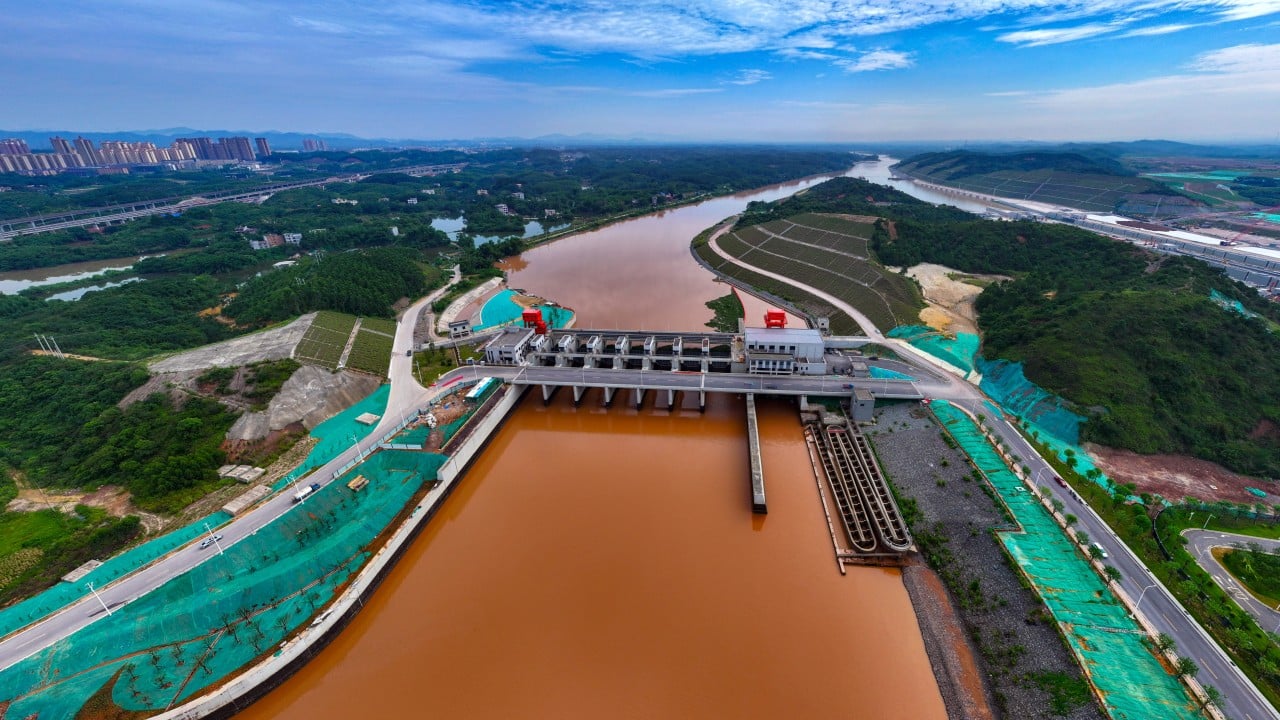
You cannot discuss economic restructuring in Hong Kong without addressing land. The 2026 policy address ties the success of the five year plan directly to aggressive land reclamation and infrastructure development, most notably the Northern Metropolis project near the border with Shenzhen.
For decades, land supply was artificially constrained to prop up property prices, which in turn filled government coffers through land auctions. This model created a toxic cocktail of unaffordable housing for ordinary residents and exorbitant rents for businesses. The new strategy attempts to break this cycle by dramatically increasing supply, particularly for industrial parks and housing aimed at retaining young talent.
Building infrastructure at this scale requires staggering capital expenditure. As traditional land premium revenues decline due to a cooling property market, the government is issuing bonds to finance its ambitions. This introduces a new risk profile for a jurisdiction historically proud of its zero-debt status. If the targeted industries fail to generate the anticipated economic output and tax revenues, the city faces a fiscal squeeze unlike any it has experienced since the handover.
The execution timeline is punishing. Infrastructure projects in the region have historically suffered from severe bureaucratic delays and cost overruns. To meet the aggressive milestones laid out in the 2026 address, the administration must cut through decades of procedural red tape without sacrificing safety or public consultation. The early signs show a willingness to fast-track approvals, though local communities frequently push back against sweeping rezoning efforts.
Navigating the Greater Bay Area Integration
Hong Kong does not exist in a vacuum. The success of this five year plan hinges on its integration with the Greater Bay Area, a megalopolis encompassing nine cities in Guangdong alongside Hong Kong and Macau.
In the past, the boundary between Hong Kong and the mainland was a hard economic and legal wall. The current policy framework aims to make that boundary porous for talent, data, and capital. Cross-border medical collaboration, mutual recognition of professional qualifications, and streamlined digital data flows are supposed to create a unified economic zone where Hong Kong serves as the international brain and Guangdong serves as the brawn.
Yet, structural hurdles remain formidable. Different legal systems, distinct taxation frameworks, and capital controls on the mainland complicate the vision of seamless integration. Professionals trained in Western legal or medical traditions are often hesitant to move freely across the border without absolute clarity on liability and credentials. Furthermore, local sentiment in Hong Kong remains sensitive to any policy that dilutes the city's distinct identity or increases competition for local jobs and public services.
To bridge this gap, the government is leaning heavily on pilot zones, particularly the Lok Ma Chau Loop situated right on the border. This zone operates under a hybrid regulatory framework designed to test whether mainland researchers and international firms can collaborate without tripping over conflicting data security laws or intellectual property concerns. If the pilot succeeds, it will serve as the template for the rest of the integration effort. If it bogs down in bureaucratic turf wars, the entire regional strategy risks stalling.
The Talent War and Demographic Realities
No industrial policy succeeds without human capital. Hong Kong's demographic trajectory is alarming, marked by a rapidly aging population and a brain drain triggered by years of political turbulence and pandemic-era restrictions.
The administration has responded with aggressive talent acquisition schemes, bringing in hundreds of thousands of professionals from overseas and the mainland. While these programs have successfully boosted population numbers and filled immediate labor gaps in finance and technology, retention remains the true test. High living costs, fierce competition for school placements, and a polarized social environment mean many arrivals treat Hong Kong as a temporary stepping stone rather than a long-term home.
The five year plan attempts to address this by tying talent attraction to the newly prioritized industries. Engineers, data scientists, and biotech researchers are offered subsidized housing pathways and expedited permanent residency tracks. However, the domestic workforce must also be upgraded. Vocational training institutions are being overhauled to supply the technical skills required for advanced manufacturing and digital infrastructure, shifting the educational culture away from its historic fixation on finance and real estate.
The friction between incoming talent and local workers is a delicate political tightrope. Middle-class residents facing career stagnation and high living costs occasionally voice frustration over the influx of competition. Managing this social dynamic while aggressively importing the skills necessary to modernize the economy will require immense political dexterity from leadership.
The old Hong Kong, built on laissez-faire serendipity and property speculation, is gone. What emerges from this five year plan will determine whether the city can reinvent itself as a high-tech anchor of the Asian century or slowly fade into a secondary financial outpost. The blueprints are drawn, the debt is being issued, and the government has staked its entire credibility on a future it can no longer afford to leave to chance.