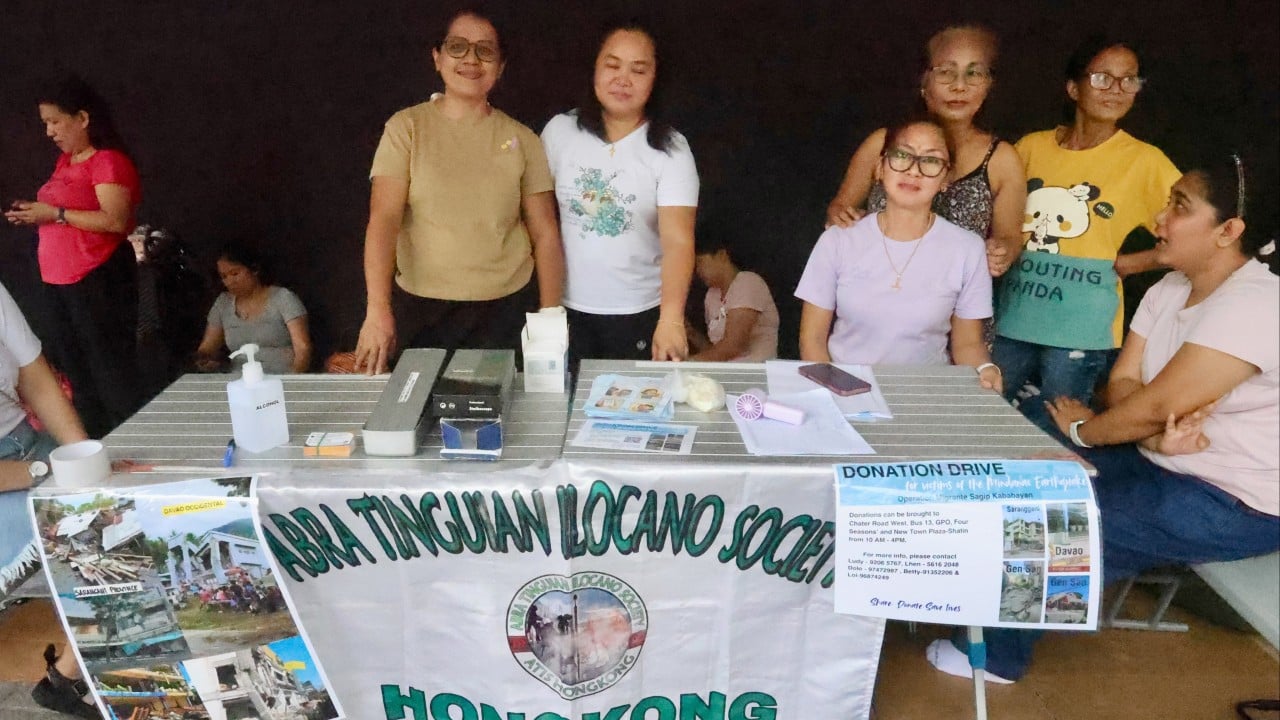
You see them every Sunday. Tens of thousands of Filipino domestic helpers gathering in Central, setting down cardboard boxes, sharing food, and filling the financial district with laughter. But this weekend, the atmosphere completely shifted. The usual karaoke and bright picnics turned into an urgent, painful rally for survival.
When a massive 7.8-magnitude earthquake struck Mindanao on June 8, 2026, it didn't just rattle the southern Philippines. It shattered the peace of mind of the migrant worker community over a thousand miles away in Hong Kong.
The death toll back home is rising. Dozens are confirmed dead, hundreds are injured, and the number of missing people continues to climb. For the domestic helper community in Hong Kong, the disaster isn't a headline. It's a terrifying, unfolding reality involving their own children, parents, and siblings. They took to the streets not just to mourn, but to demand immediate, actionable help.
The Distance Makes the Terror Worse
Imagine sitting in a tiny kitchen in a high-rise apartment, looking at a cracked phone screen, waiting for a WhatsApp message that won't send. That's the reality for thousands of workers right now. The earthquake hit near Sarangani province, cutting off electricity and flattening communication towers across towns like General Santos and Davao City.
Vague news updates are agonizing. When you're stuck in a foreign city cooking someone else's dinner, not knowing if your family is buried under concrete ruins is a special kind of torture.
The immediate financial strain is hitting hard. Local media reported a case of a newly hired helper from Davao City who resigned just two days into her contract to fly back home because her family house was riddled with dangerous structural cracks. She couldn't focus. She couldn't work. Her employer was left out of pocket, highlighting the messy, collateral human cost of a natural disaster cutting through migrant life.
Broken Roads and Delayed Aid
The rally in Central wasn't just an emotional outburst. It was a targeted demand for systematic relief. Workers are furious about the pace of the response.
While top politicians in Manila are busy with high-profile political battles, the actual survival gear isn't reaching the remote villages. Landslides have blocked main roads in Mindanao. Debris has isolated communities. Survivors are taking to social media, pleading for basic supplies because the official relief trucks are stuck miles away.
- No clean water: Damaged pipes mean waterborne diseases are the next looming threat.
- Zero electricity: Entire municipalities are completely dark at night, hampering rescue efforts for the missing.
- No food reserves: Local markets collapsed, and families have lost everything.
Migrant groups like the United Filipinas of Hong Kong are stepping into the gap. They aren't waiting for bureaucratic red tape. They are organizing direct collection drives right from the pavements of Chater Road, gathering cash, emergency supplies, and coordinates of families who haven't been reached by the government yet.
Beyond the Weekly Cardboard Mats
For a long time, Hong Kong society viewed the Sunday gatherings as a quirky local tradition or a spatial inconvenience. This weekend proved the gatherings are a lifeline. This network is how information spreads when phone lines are down in the Philippines. Someone's cousin in a remote village manages to send a single text to a worker in Central, and suddenly an entire community knows which neighborhood needs help.
The Catholic Church has stepped up too. Parishes across the Philippines and overseas networks in Hong Kong are launching massive emergency donation drives. Caritas Philippines and organizations like the Tanging Yaman Foundation are bypass routes, getting money directly into the hands of local social action centers on the ground in Mindanao.
This isn't about charity. It's about basic accountability. These migrant workers pump billions of dollars into the Philippine economy every single year through remittances. They keep the country afloat. When a crisis of this scale hits, they shouldn't have to beg on the streets of Hong Kong for their families to get basic drinking water and rescue teams.
How to Actually Support the Relief Effort Right Now
If you want to help, venting on social media won't cut it. The ground reality requires immediate liquidity and targeted resources.
Skip the generic international donation portals that swallow funds in administrative fees. Direct your support to organizations with active ground teams in the affected areas of Mindanao. The Philippine Red Cross has activated its emergency fund specifically for the Sarangani and General Santos sectors. Local church-backed networks like Caritas are actively distributing food packs and setting up temporary tents for families whose homes are no longer safe to enter.
Every dollar sent directly to these verified local channels funds a rescue worker clearing debris or buys a water filtration kit for a family sleeping on the street. The domestic helpers in Central are doing the heavy lifting of coordinating information. The rest of us need to make sure the actual resources are there to back them up.