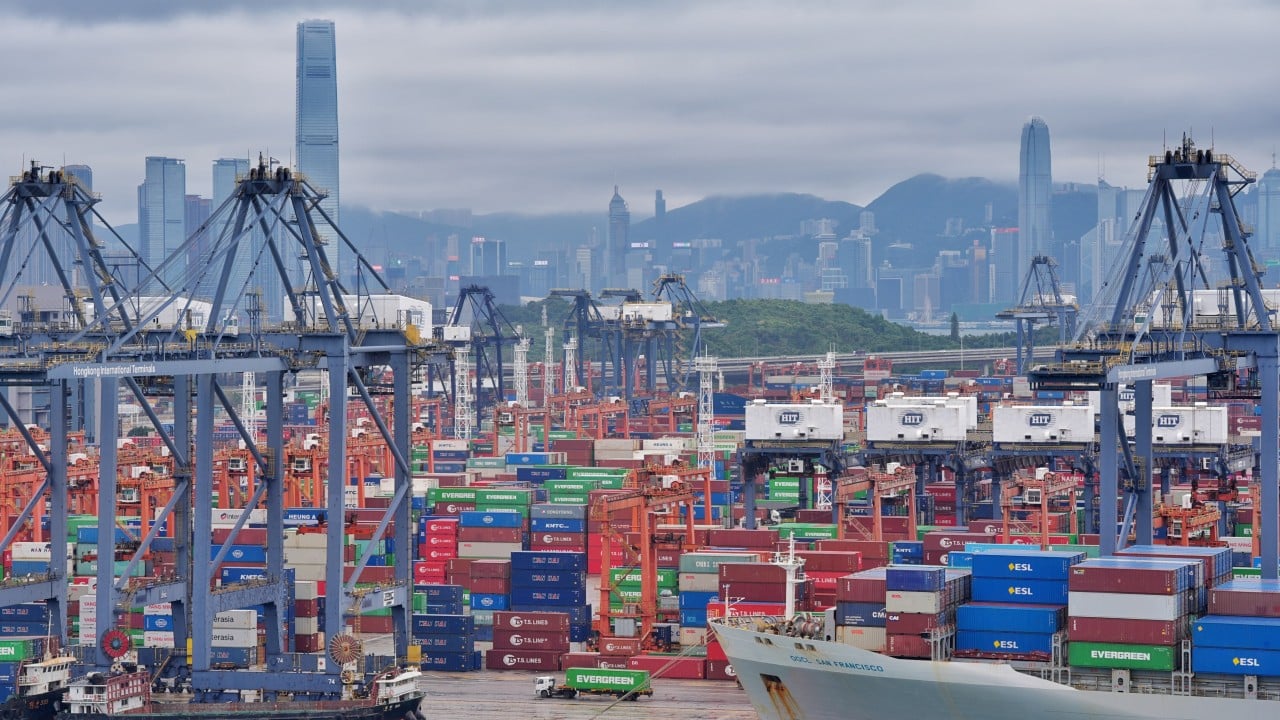
Numbers tend to lie, but a 4.3% growth rate hits differently when everyone expects stagnation. Markets whispered about chronic capital outflows and dying financial hubs. Then the quarterly numbers dropped. External trade surged. Domestic demand refused to break.
If you're watching the financial sector from the inside, you already knew the pessimistic consensus missed the mark. People love writing obituaries for trading ports. They forget how quickly supply chains pivot when real money is on the line.
The Real Drivers Behind the 4.3% Surge
Trade didn't just survive the recent geopolitical friction. It adapted. Goods moved faster through alternative corridors. Re-export volumes beat expectations by wide margins, proving that traditional shipping lanes still hold immense weight.
Let's look at the actual trade dynamics. Mainland manufacturing output stabilized right when Western inventories ran low. Hong Kong intermediaries snapped up those orders. You've got logistics firms reporting double-digit cargo handling bumps. That's physical proof sitting on container ships, not just accounting magic.
Consumer spending played a massive part too. Retail sales didn't crash. Local shoppers stayed active, backed by steady employment numbers and targeted government consumption vouchers. Visitors from across the border flooded back into local districts. Restaurants are packed on weeknights again. That consumer confidence spreads quickly through the services sector.
Why the Skeptics Got It Wrong
Analysts love spreadsheets, but they miss street-level reality. For years, the narrative focused entirely on structural headwinds. High interest rates were supposed to crush property values and consumer sentiment simultaneously.
That theory failed to account for household balance sheets. A huge chunk of homeowners own property outright or carry very low leverage compared to Western markets. When mortgage rates climbed, it pinched discretionary spending, but it didn't trigger mass defaults or panic selling.
Asset prices adjusted quietly. People adjusted their spending habits. The local economy absorbed the shock and kept moving.
What This Means for Regional Trade
Capital doesn't care about headlines. Capital cares about liquidity and execution speed. Hong Kong remains the primary pipeline for international investments moving into Asian markets.
When you track private equity flows, the deal volume tells a different story than the doom-laden op-eds. Cross-border wealth management programs continue to pull in fresh funds. Investors want stability paired with high-yield regional exposure. This territory delivers that combination better than almost anywhere else in the hemisphere.
Supply chain reconfiguration has actually helped rather than hurt. As manufacturing decentralized across Southeast Asia, regional headquarters here managed the contracts, the financing, and the legal frameworks. Every transaction routes through local banks. That generates massive fee income that shows up plainly in the fiscal ledgers.
Spotting the Real Risks Ahead
Growth at this pace brings its own pressure points. Labor shortages remain a massive bottleneck. Finding qualified talent in logistics, tech, and compliance costs more than it did two years ago. Wages are creeping up.
Commercial real estate faces a slow-motion correction. Office vacancy rates remain elevated as corporate tenants downsize or rethink their square footage needs. Landlords are offering steep concessions just to keep tenants in place. That dynamic will weigh heavily on developer margins through the next fiscal cycle.
Global demand is fickle. If major Western economies hit a hard deceleration, container volumes will drop overnight. Trade-dependent economies live and die by external momentum.
How to Play the Current Market
Stop listening to macro forecasters who haven't visited a local market in a decade. Look at the balance sheets of mid-sized logistics and trade finance firms operating on the ground.
Focus your capital allocation on companies with low debt and high exposure to cross-border service fees. Watch the retail foot traffic in core commercial districts rather than national housing sentiment indexes. Real opportunities hide in plain sight where the consensus is overly pessimistic.
Position your portfolio for sustained regional trade rather than speculative property plays. The trade engine is humming again. Make sure your strategy matches reality instead of the headlines.