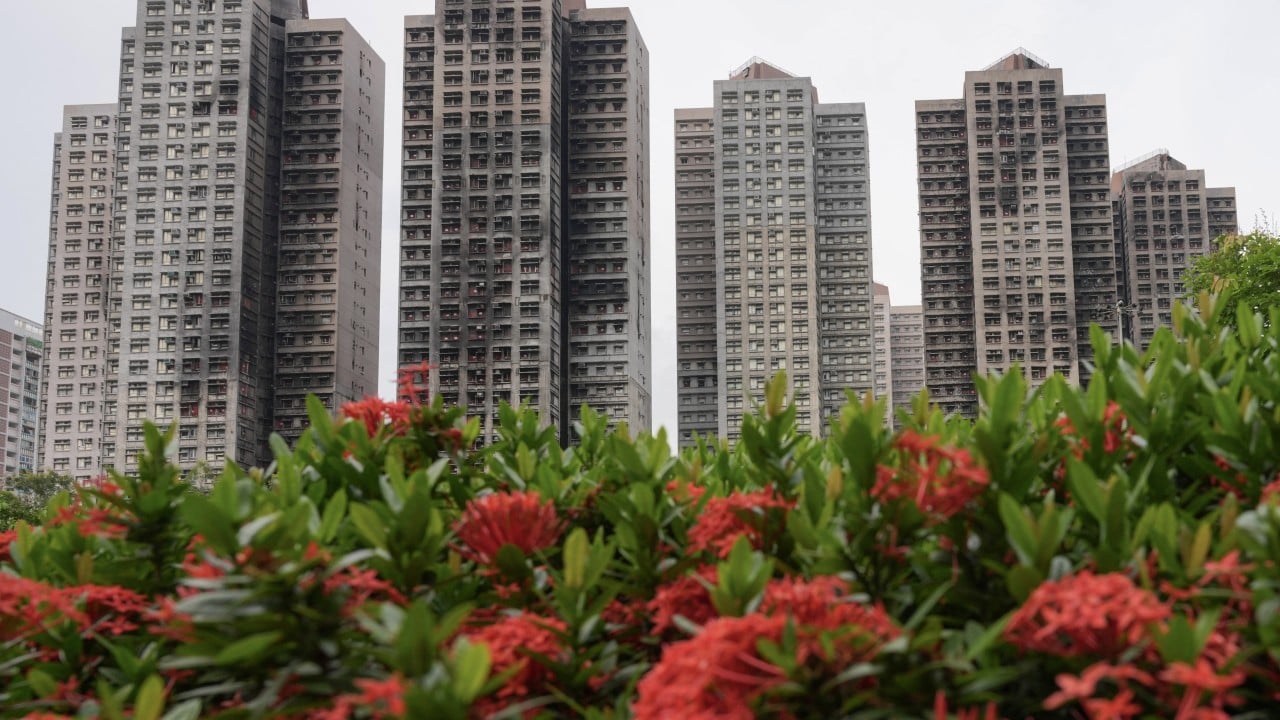
Tragedies have a way of stripping away official excuses. When the catastrophic fire at the Wang Fuk Court residential estate in Tai Po claimed 168 lives, it didn't just expose a horrific failure of fire safety—it blew wide open the murky, cutthroat underworld of Hong Kong's building maintenance industry. Residents had raised alarm bells for over a year regarding the renovation work, yet warning signs were buried under bureaucratic red tape and systemic corruption.
Months later, Chief Executive John Lee issued a rare, public apology, bowing alongside top officials and announcing the resignation of Housing Secretary Winnie Ho. But an apology doesn't rebuild burned-out homes, and it certainly doesn't fix a broken regulatory framework. The government had no choice left except to launch a sweeping overhaul of how high-rise repairs are planned, bidded, and monitored across the city.
Cracking Down on the Bid-Rigging Cartels
If you've ever owned property in a densely populated urban center, you know that large-scale building renovations are a breeding ground for shady behavior. In Hong Kong, bid-rigging has long been an open secret. Shady contractor syndicates inflate repair costs, squeeze out honest competition, and leave unsuspecting homeowners holding the bag—or worse, living in dangerously compromised buildings.
The post-fire independent committee report laid bare how four distinct government bodies failed to catch these vulnerabilities, pointing a heavy finger at the Housing Bureau’s Independent Checking Unit for sheer lack of oversight. To break these corrupt networks, the administration is finally giving the Competition Ordinance some real teeth.
Under the proposed legal changes, bid-rigging in building maintenance—including preliminary work and consultancy services—is being explicitly criminalized. Authorities can now launch combined criminal and civil investigations, making it much riskier for shady contractors to collude behind closed doors. Courts will also have the power to hand down much heavier penalties tailored to the sheer devastation caused by corporate negligence and corner-cutting.
Fixing the Communication Black Hole
One of the most infuriating aspects of the Tai Po disaster was the sheer wall of indifference residents hit when they tried to report safety hazards. Complaints bounced endlessly between departments, get-passing became an art form, and nobody wanted to take ownership of a looming crisis.
To dismantle this useless bureaucracy, the government is setting up a dedicated building maintenance support office. This agency is designed to cut through the noise, giving property owners transparent information and impartial professional counsel. Instead of leaving everyday residents to navigate complex engineering reports and predatory contractor pitches alone, the state is stepping in to provide actual guidance.
Accountability is also moving past mere rhetoric. A high-level steering committee, chaired by the Chief Secretary for Administration, is tasked with reviewing the independent committee's recommendations step-by-step. They aren't just filing a report away in a drawer; they have to submit legal amendments directly to the Legislative Council.
What Needs to Happen Next on the Ground
Laws and committees on paper mean nothing if property management companies and building owners don't change their daily habits. Real safety requires active vigilance. If you live in a high-rise apartment complex undergoing major renovations, you can't just blindly trust the lowest bidder or wave away unusual contract clauses.
First, scrutinize every consultant and contractor involved in bidding processes. Demand transparency on material standards, especially concerning scaffolding nets, cladding, and fire retardants.
Second, empower tenant associations. When residents band together and refuse to be stonewalled by management committees, they create an essential line of defense that paper-pushers in government offices simply cannot ignore.
The fire at Wang Fuk Court remains a devastating scar on the city's history. Transforming that pain into permanent, enforceable reform is the only path forward to ensure a disaster of this scale never happens again.