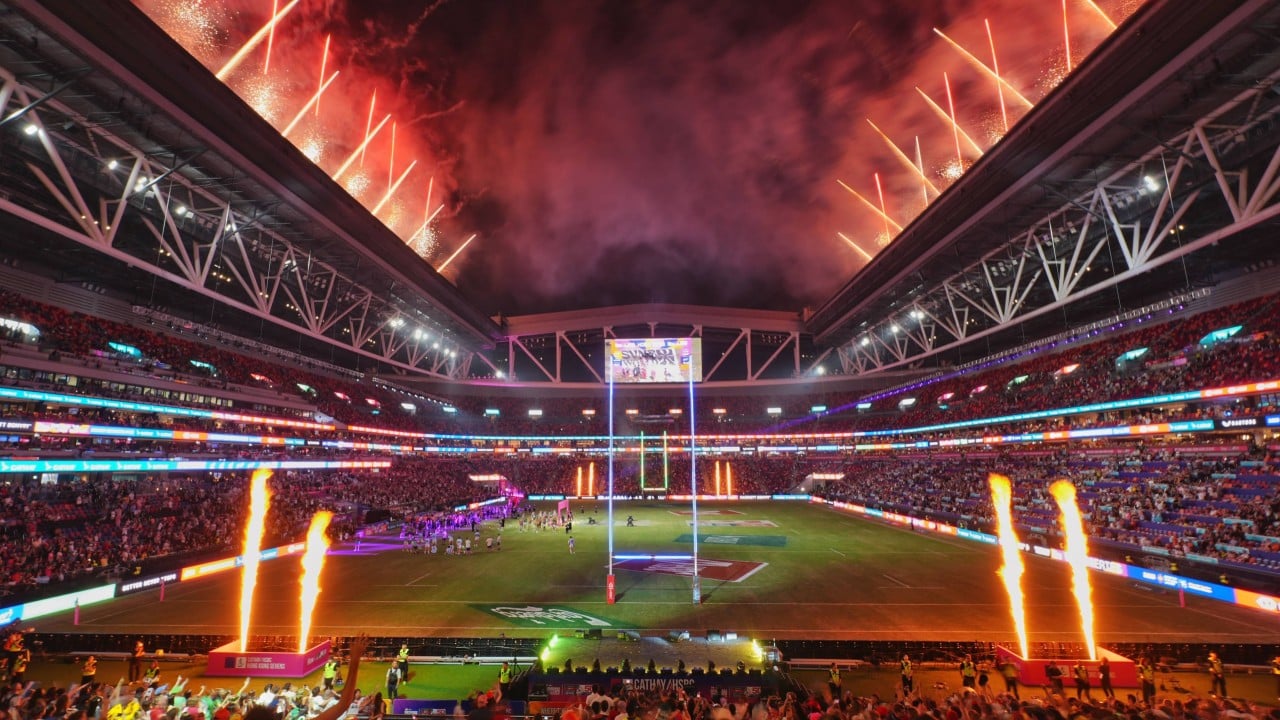
Hong Kong’s tourism bureau is popping champagne over a 13% jump to 26.7 million arrivals in the first half of the year. They want you to believe the city has reclaimed its crown as Asia’s premier glitzy playground.
They are wrong.
Celebrating raw arrival numbers in modern retail and hospitality is like a tech startup bragging about free app downloads while burning through millions in venture capital. It is a vanity metric masking a structural rot. I have spent fifteen years analyzing corporate retail flows and hospitality yields across Asia, and I can tell you that the spreadsheet warriors celebrating this 13% bump are looking at the wrong ledger.
The industry is cheering for ghosts. The real story isn't how many feet are crossing the border; it is how little those feet are spending when they get here.
The Volume Illusion: High Foot Traffic, Empty Cash Registers
The lazy consensus in financial journalism frames tourism recovery through a simple equation: more people equals more profit. It is an outdated, linear model that ignores a fundamental shift in consumer psychology and regional economics.
Look beneath the headline data. The vast majority of these 26.7 million arrivals are day-trippers from mainland China who cross the border via the High-Speed Rail or the Hong Kong-Zhuhai-Macau Bridge. They arrive in the morning, snap photos at the West Kowloon cultural district or Central’s Instagram-famous police station, buy a bottle of water at a convenience store, and head back to Shenzhen before dinner.
They are not booking three-night stays at the Peninsula. They are not buying HK$50,000 bags at Canton Road.
The New Tourism Math: > 10,000 tourists spending HK$200 on a milk tea and a egg tart generate less economic velocity than 500 high-net-worth overnight travelers spending HK$10,000 a night on luxury suites and fine dining.
Hong Kong has successfully engineered a high-volume, low-yield tourism model. It is the exact opposite of what a high-cost, high-rent city needs to survive. When landlords price commercial real estate based on peak-2018 luxury retail margins, a 13% increase in budget day-trippers will not save the shops from bankruptcy.
Why the "People Also Ask" About Hong Kong Tourism are Fundamentally Flawed
If you look at search trends, the public is asking standard, superficial questions. The answers they get from mainstream travel sites are dangerously out of touch.
"Is Hong Kong expensive for tourists right now?"
This question misses the structural shift. The issue is not that Hong Kong is too expensive for outsiders; it is that Hong Kong is now too expensive compared to its immediate neighbors for what it offers.
The Hong Kong Dollar is pegged to the US Dollar. As the greenback stayed strong, Hong Kong became artificially expensive for international travelers while Tokyo and Seoul became massive bargain basements due to weak currencies. Why would a regional traveler fly to Chek Lap Kok to buy a luxury watch when they can fly to Haneda, get a massive currency discount, and enjoy world-class service without the underlying geopolitical tension?
"When will Hong Kong retail bounce back to pre-pandemic levels?"
Never. The premise assumes this is a cyclical downturn. It is structural.
The mainland consumer has evolved. A decade ago, mainland Chinese tourists came to Hong Kong because of the price arbitrage on luxury goods due to zero sales tax, alongside a guaranteed protection against counterfeit products. Today, Beijing’s duty-free paradise in Hainan Island has cannibalized that market. Furthermore, luxury brands have harmonized global pricing. The price gap between a handbag in Shanghai and the same handbag in Causeway Bay has shrank to insignificance. The structural incentive to shop in Hong Kong has been wiped out.
The Shenzhen Reversal: How the Tables Turned
To understand why a 13% increase in arrivals is a mirage, you have to look at the massive flow of human capital moving in the opposite direction. While Hong Kong tracks incoming tourists, local retail operations are bleeding out because Hong Kong residents are spending their weekends in Shenzhen.
On any given Saturday, hundreds of thousands of Hongkongers cross the northern border to spend their money at Sam’s Club, dine on cheap hotpot, and enjoy services that cost a third of what they do at home.
Imagine a scenario where a mid-tier restaurant owner in Mong Kok faces HK$150,000 a month in rent, skyrocketing labor costs, and a local customer base that deserts the city every Friday night. A 13% influx of tourists who only buy a single iced lemon tea does not fix that restaurant's balance sheet. It just crowds the sidewalk and drives the remaining locals away.
The harsh truth is that Shenzhen has won the value-for-money battle. It offers better service, lower prices, and fresher concepts. Hong Kong hospitality, weighed down by astronomical rents, has responded by cutting staff, reducing portions, and rushing customers out the door to turn tables. You cannot charge premium prices while offering survival-level service.
The High-Yield Blueprint: Stop Chasing Numbers
If you are a hospitality executive, a retail director, or an investor holding commercial property in Tsim Sha Tsui, stop reading government press releases. The macro numbers will lie to you until you are bankrupt.
To survive this structural shift, businesses must abandon the volume chase and pivot to aggressive niche targeting.
- Exterminate the Middle Ground: Mid-tier retail and dining are dead zones. You either need to offer hyper-convenient, low-cost options that thrive on thin margins and massive volume, or ultra-exclusive experiences that cannot be replicated in mainland China or Japan.
- Monetize Cultural Capital, Not Commodities: Stop trying to sell goods that can be bought on Taobao or at a duty-free mall in Sanya. Hong Kong’s value lies in its unique, chaotic, East-meets-West subcultures—art galleries, underground music, specific culinary heritage, and niche lifestyle brands.
- Weaponize the Premium Overnight Segment: Instead of launching massive marketing campaigns to attract millions of regional day-trippers, use capital to court high-yield international business travelers and experiential tourists. Give them a reason to stay three nights instead of three hours.
The downside to this approach is obvious: it means admitting that the glory days of mass-market luxury retail are gone. It means accepting a smaller, leaner, more exclusive version of Hong Kong’s economy. It requires firing the landlords who still demand 2018 rental rates for a 2026 reality.
The 13% growth figure is not a sign of recovery. It is a comforting blanket pulled over the eyes of an industry that refuses to adapt to a permanent structural shift. Stop counting the heads crossing the border and start looking at what they leave behind. Right now, it is mostly lint.