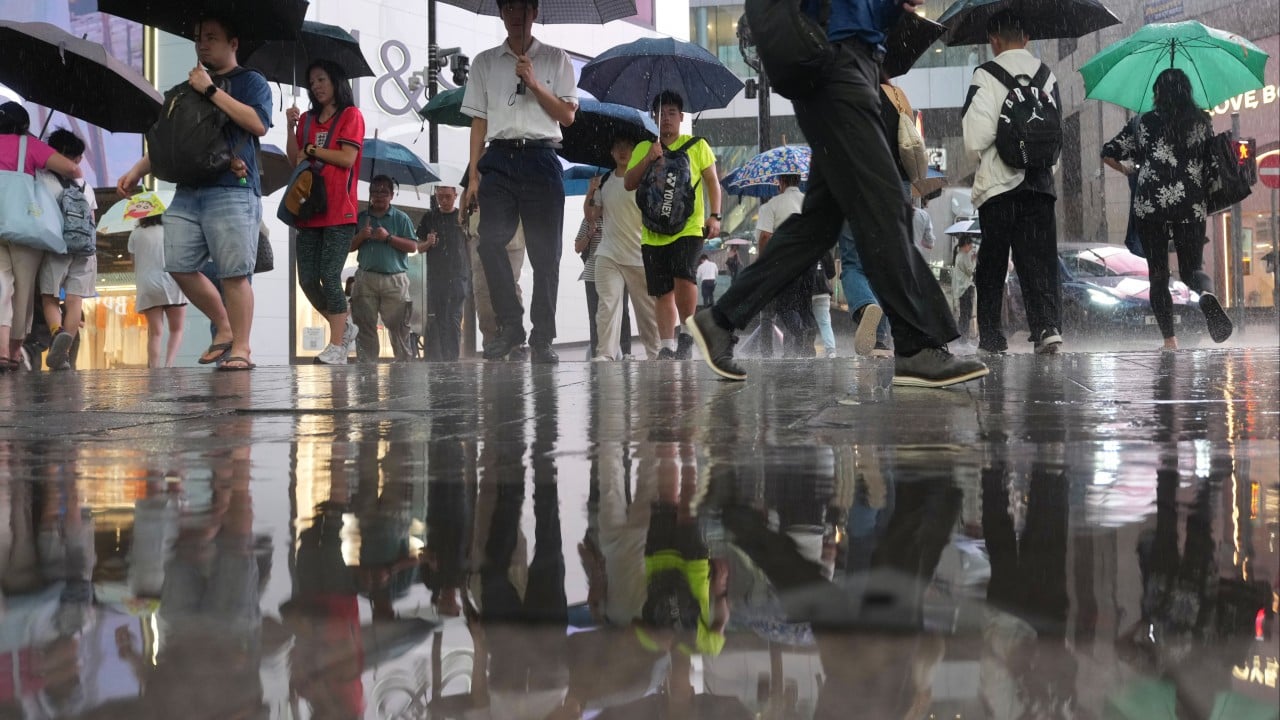
You've watched the dark clouds roll in over Victoria Harbour. You've heard the rain lashing against your windows for days on end. Then, almost overnight, the heavy downpours vanish. The humidity hangs thick, the sun blasts down without mercy, and you're left wondering how the atmosphere flipped a switch so fast.
Hong Kong weather loves extremes. One day you're swapping shoes because the MTR station stairs are flooding, and the next you're hunting for shade while the Hong Kong Observatory hoists the very first hot weather warnings of the season. Let's talk about why this happens, how it catches everyone off guard, and what you actually need to do to survive the sudden swing from flash floods to blazing heat.
The Brutal Switch From Monsoon Rains To Subtropical Heat
If you live here, you know the routine. Spring brings endless gray skies and relentless drizzle. But late spring and early summer trigger a violent atmospheric gear shift. The trough of low pressure that kept dumping rain over the Guangdong coast finally pushes away or breaks down.
Right behind it? A powerful subtropical ridge builds up over the western North Pacific.
This ridge acts like an invisible shield of high pressure. It pushes sinking air down over the region. Sinking air compresses, warms up, and clears away the clouds. That is why the gray curtain lifts so quickly. You go from soaking wet to baking dry in less than seventy-two hours.
The Hong Kong Observatory tracks these shifts meticulously. When the ridge takes charge, daytime temperatures regularly spike past thirty-two degrees Celsius. With urban concrete retaining heat and towering skyscrapers blocking the breeze, it feels significantly worse on the street level.
Why The Humidity Makes Sunshines Feel Like A Trap
Dry heat is one thing. Hong Kong heat is an entirely different beast.
When the rain stops, moisture doesn't just evaporate. It gets trapped in the lower atmosphere. The ground is saturated from days of heavy soaking. The blazing sun hits those wet streets and green hillsides, turning the city into a giant steam room.
You step outside. Your glasses fog up instantly. Within five minutes of walking from Central to Sheung Wan, your shirt sticks to your back. The real danger here isn't just the thermometer reading. It's the heat stroke risk driven by high relative humidity that prevents your sweat from evaporating efficiently.
Most newcomers make the mistake of dressing for a dry summer. They wear heavy cotton or dark colors. Big mistake. You need breathable linen, loose fits, and an umbrella that works just as well against UV rays as it does against torrential downpours.
Practical Survival Steps For The Sudden Heat Spike
You can't change the subtropical climate. You can, however, stop letting it ruin your week. Here is what actually works when the weather turns blindingly bright and hot.
- Hydrate before you're thirsty. Once you feel parched, your body is already playing catch-up. Keep a reusable water bottle handy and sip constantly throughout the day.
- Time your outdoor sprints. The sun hits its most vicious peak between eleven in the morning and three in the afternoon. If you need to run errands or exercise outdoors, do it early in the morning or after the sun dips.
- Embrace the MTR underground network. You don't have to brave the exposed concrete walkways. Plan your routes through air-conditioned shopping malls and footbridges to shave precious minutes off your exposure to the direct glare.
- Watch for heat exhaustion signs. Dizziness, nausea, and sudden heavy fatigue mean you need to get inside an air-conditioned space immediately. Don't try to tough it out.
The sudden transition from storms to sunshine is a staple of life in this city. Respect the shift, pack your gear accordingly, and don't let the sudden rise in temperature catch you unprepared.