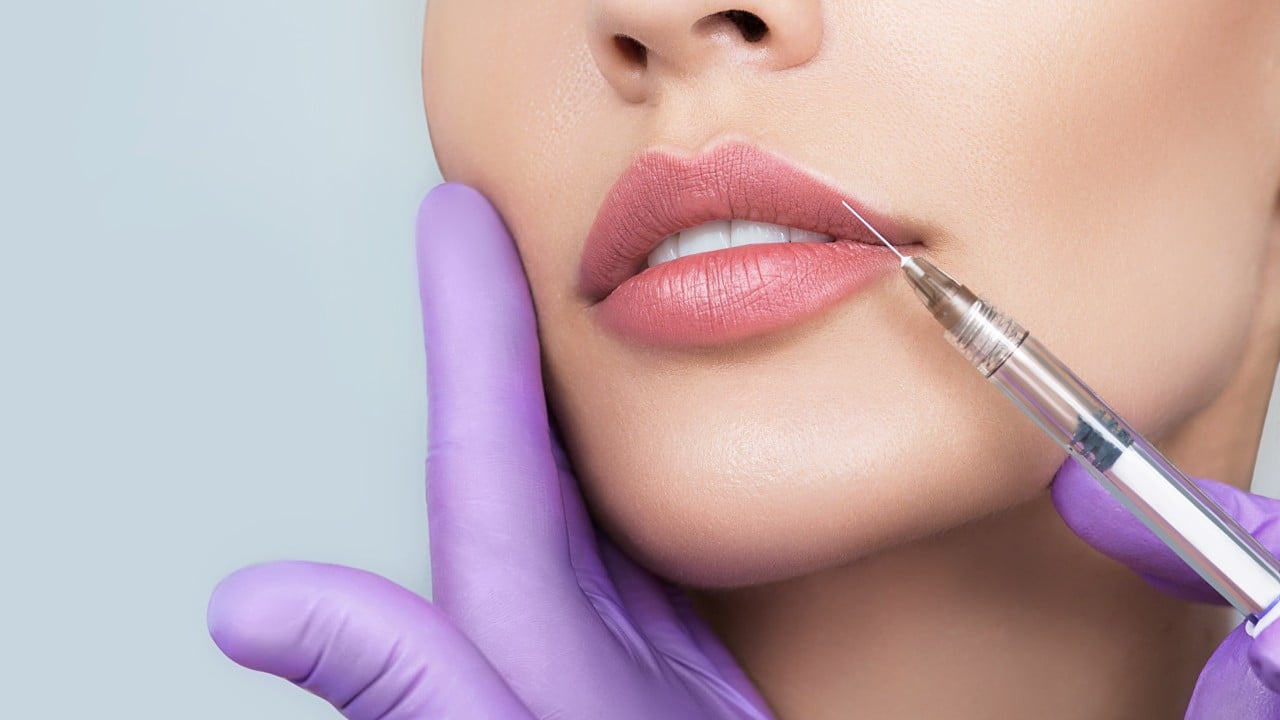
The media loves a good horror story about rogue beauty clinics. Pick up any local paper or health blog in Hong Kong, and you will find the same breathless warning about underground procedures, illicit fillers, and discount botox operations running out of residential high-rises. The narrative is always identical. Naive consumers get lured by bargain basement prices, greedy unlicensed operators slash costs with industrial-grade substances, and the medical council swoops in to save the day while wagging a collective finger at the dangers of going off-grid.
It is a neat, comforting story. It is also a lazy lie that completely misses why the underground economy exists in the first place.
I have spent years watching the beauty and medical aesthetics sector operate from the inside. I have seen clinics burn seven figures on glossy marketing campaigns while cutting corners on actual patient care, and I have watched traditional regulatory bodies protect legacy monopolies under the noble guise of public safety.
The standard critique argues that consumers are simply gambling with their health for vanity. That is a superficial take designed to shift blame away from a broken, hyper-inflated, and structurally exclusionary mainstream market. People do not seek out underground practitioners purely because they want a twenty-percent discount on a syringe of hyaluronic acid. They go underground because the front-door entry fee in Central has become an extortionate racket, and the rigid gatekeeping of the aesthetic establishment leaves millions priced out and ignored.
Let us look at the actual mechanics of this market.
The Anatomy of Aesthetic Inflation
Hong Kong boasts one of the highest concentrations of beauty salons and medical aesthetic centers on earth. Yet, the cost structure inside mainstream clinics defies basic economic logic. A standard syringe of FDA-approved dermal filler might cost a clinic a wholesale fraction of what they ultimately charge the client. By the time you add the rent for a luxury tower in Causeway Bay, the receptionist, the interior designer, and the mandatory marketing markup, that treatment costs a small fortune.
When the mainstream price point detaches entirely from median disposable income, an underground shadow economy fills the vacuum. Economics does not care about your medical council guidelines. Demand meets supply.
The lazy consensus blames the consumer for poor decision-making. The reality is that the official market has created an artificial luxury tier for basic dermatological maintenance, treating routine procedures like exclusive luxury status symbols rather than accessible wellness maintenance. When you price ordinary people out of safe, regulated spaces through sheer corporate greed and inflated overhead, you force them into the shadows. Then, when something goes wrong, the establishment acts shocked that the shadow economy lacks a safety net.
The Myth of Mainstream Perfection
There is another illusion we need to shatter: the idea that visiting a licensed practitioner in a high-end tower guarantees safety, skill, and satisfaction.
I have watched certified doctors with shiny diplomas butcher routine procedures because aesthetic medicine is treated as an afterthought in traditional medical school curricula. A general practitioner or an orthopedic surgeon can legally hang a shingle for aesthetic injections after taking a weekend workshop. They have the official stamp of approval from the licensing board, but they lack the artistic eye, the anatomical nuance, and the sheer repetition required to master a needle.
Meanwhile, an underground operator working out of a discreet space might have performed thousands of successful procedures on repeat clients who trust them implicitly. Does that make the underground model ideal? Absolutely not. Hygiene standards vary wildly, recourse for malpractice is non-existent, and the risk of counterfeit product sourcing is a terrifying reality.
Admitting that underground operators sometimes possess superior technical dexterity than clumsy licensed doctors makes people uncomfortable. It complicates the simple heroes-and-villains narrative. But ignoring this truth prevents us from fixing the real problem. The danger of illicit treatments is real, but the mainstream industry uses that danger as a smokescreen to justify its own astronomical pricing and defensive gatekeeping.
Unpacking the Real Risks
If you want to talk about illicit beauty treatments honestly, strip away the moral panic and look at the actual variables that determine safety.
- Product Authenticity: The greatest hazard in the underground market is not necessarily the practitioner's hand skill; it is the provenance of the vial. Counterfeit neurotoxins and cheap silicone knockoffs imported from unregulated labs abroad cause the catastrophic necrosis, granulomas, and vascular occlusions that land people in the hospital.
- Emergency Preparedness: A license on a wall does not stop an adverse vascular event, but a fully equipped clinic with hyaluronidase on hand and emergency protocols in place will keep a blocked artery from turning into tissue death. Underground spaces rarely keep emergency crash kits. That is the Russian roulette aspect of the black market.
- Anatomical Variance: Every human face is a chaotic landscape of facial arteries, nerve bundles, and varying muscle depths. A certified doctor who understands vascular mapping can navigate these hazards. A discount operator who learned injection patterns from a YouTube tutorial is flying blind.
The problem with the standard public service announcement is that it tells people: "Stay away from the black market because it is illegal and bad." That approach fails every single time. Prohibition has never worked for drugs, alcohol, or aesthetics. When the legal market is too expensive or too condescending, people will take calculated risks.
Fixing the Pipeline Instead of Shaming the Patient
If regulators actually cared about public safety instead of protecting professional turf, they would radically restructure how aesthetic medicine is delivered.
First, transparency needs to become the baseline. Clinics should be legally required to publish the exact brand, batch number, and cost breakdown of the products they inject. Consumers should know if they are paying for high-end European science or cheap generic alternatives stamped with a luxury markup.
Second, the barrier to safe administration needs lowering. Why are routine, non-surgical aesthetic procedures locked behind restrictive medical monopolies in jurisdictions where nurse practitioners and trained aestheticians safely perform them globally under proper oversight? By expanding the pool of licensed, qualified non-physician providers who specialize exclusively in injectables, supply increases, prices drop, and the economic incentive to visit a shady apartment vanishes overnight.
Third, we must stop pretending that aesthetics is purely a medical necessity rather than a consumer wellness category. Treating every injection like open-heart surgery inflates costs artificially while driving desperate consumers into the arms of unlicensed risk-takers.
The next time you read a breathless warning about underground beauty salons, look past the cautionary tale. Ask yourself why the official door was locked to begin with.
Stop shaming consumers for trying to look good on a budget while a predatory wellness-industrial complex laughs all the way to the bank.
Value transparency over gatekeeping, force the mainstream market to compete on price and skill, and watch the black market dry up overnight.