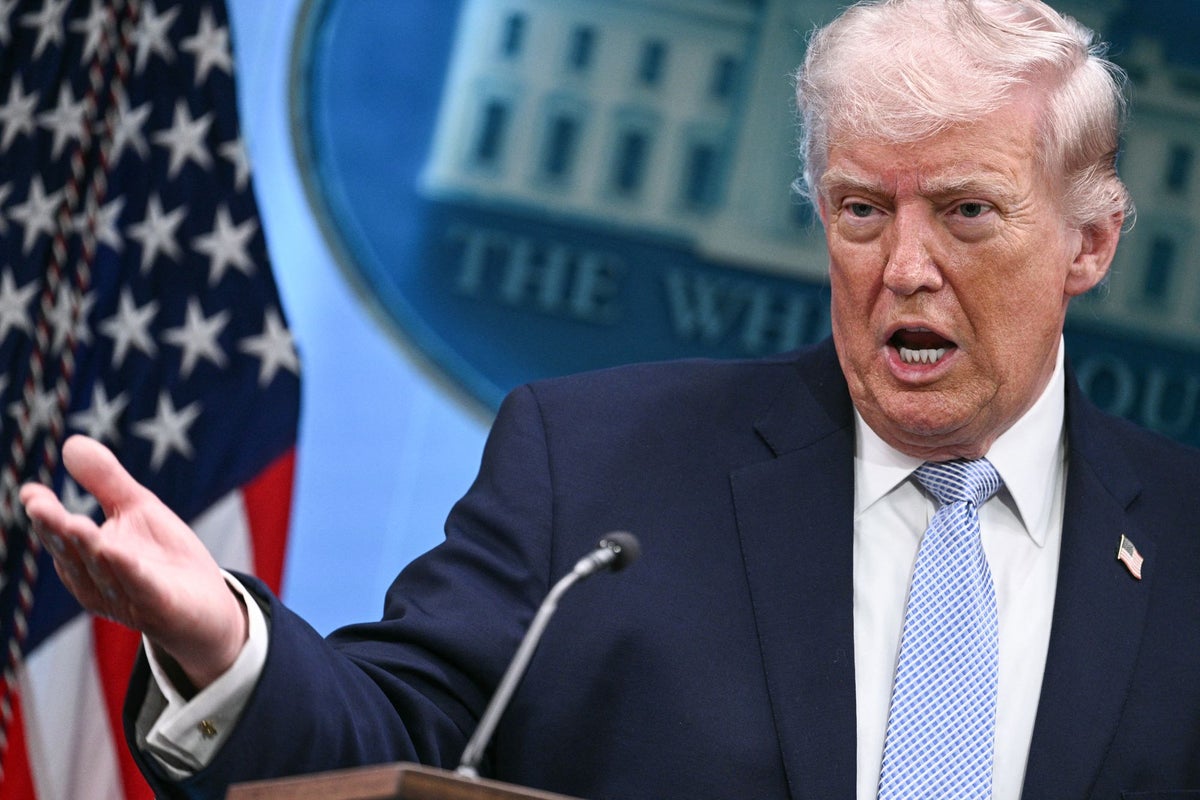
Donald Trump didn’t just blink; he refinanced the brink of total war. Less than two hours before a self-imposed deadline to "bomb every power plant" in Iran, the President pivoted from apocalyptic rhetoric to a fragile, two-week "double-sided ceasefire." The deal, brokered in the eleventh hour by Pakistan, trades a suspension of U.S. strikes for the immediate reopening of the Strait of Hormuz.
On the surface, the markets are exhaling. Crude oil prices, which had been white-knuckling above $100 a barrel, plunged 10% in after-hours trading. Asian indices like the Nikkei 225 and the Sensex are seeing massive green runs. But for those of us who have spent decades watching Tehran and Washington dance on the edge of a blade, this isn't a peace treaty. It’s a high-stakes liquidity injection for a conflict that is far from over. Recently making waves in this space: The Legal Fiction of Terminated Hostilities with Iran.
The Anatomy of the Pivot
The reversal was jarringly classic Trump. Only days ago, the administration was signaling that "civilization would die tonight" if the Islamic Republic didn't capitulate. Now, the President is talking about a "Golden Age of the Middle East" and "big money" to be made in reconstruction.
The mechanism for this sudden thaw is a dual-track proposal. The U.S. has reportedly accepted the "general framework" of a 10-point Iranian peace plan, while Iran is entertaining a 15-point American counter-offer. The common ground? The Strait of Hormuz. More details regarding the matter are detailed by NBC News.
The Strait is the world's most sensitive jugular. Roughly 20% of the world’s petroleum and liquefied natural gas flows through this 21-mile-wide passage. By closing it, Iran didn't just hurt the U.S.; they held the energy security of India, China, and Japan hostage. Trump’s "suspension" is the admission that the economic cost of a closed Strait had become more dangerous to his domestic standing than the political cost of a temporary retreat.
The Hidden Cost of "Safe Passage"
The devil isn't just in the details; he’s charging a toll. Iranian Foreign Minister Abbas Araghchi was quick to clarify that while the Strait is "open," it remains under Iranian military management.
Reliable intelligence from regional officials suggests a radical new precedent is being set. Iran and Oman are reportedly preparing to charge "transit fees" for ships passing through the waterway. This isn't just a technicality. Under the United Nations Convention on the Law of the Sea (UNCLOS), straits used for international navigation must allow free transit. Iran, which has never ratified UNCLOS, is now attempting to monetize the world's most vital maritime chokepoint to fund its own reconstruction.
The Fiscal Reality of Reconstruction
- The Toll Road: If Iran successfully implements a transit fee, it effectively turns an international waterway into a private canal.
- The Insurance Premium: Even with a ceasefire, maritime insurance "war risk" premiums are unlikely to drop to pre-war levels.
- The Oversight: Tehran demands that all passage be "coordinated" with the Islamic Revolutionary Guard Corps (IRGC), giving them de facto veto power over who gets to trade.
Why Two Weeks?
The fourteen-day window is a tactical pause, not a strategic shift. For Trump, it provides a cooling-off period to gauge if the "destructive force" he threatened is still a credible deterrent without having to pull the trigger. For Tehran, it is a chance to breathe, repair decimated communication lines, and move hardware under the cover of a "humanitarian" window.
The timing is also fiscal. Global markets were on the verge of a systemic cardiac arrest. By announcing the pause, Trump has successfully reset the market's fear gauge, giving himself more room to maneuver if negotiations fail during the scheduled direct talks in Islamabad on April 10.
The Israel Factor
There is a glaring hole in this "double-sided ceasefire": Lebanon. While Prime Minister Benjamin Netanyahu "welcomed" the pause in strikes on Iranian soil, his office was surgical in its clarification. Israel does not consider the ceasefire applicable to its operations against Iranian proxies in Lebanon.
This creates a dangerous asymmetry. If Israel continues to pound targets in Beirut or the Bekaa Valley, Tehran will face internal pressure to retaliate, potentially through its "Powerful Armed Forces" mentioned by Araghchi. If Iran strikes back at Israel, the U.S. "suspension" will evaporate in minutes. Trump’s deal assumes he can decouple the Iranian mainland from the broader regional proxy war. History suggests that is a fantasy.
The Islamabad Summit
The world now looks to Friday, when negotiators will meet in Pakistan. The Iranian 10-point plan is rumored to include the total withdrawal of U.S. combat forces from the region and the release of billions in frozen assets. These are "non-starters" in any traditional Washington calculus, yet Trump described the proposal as a "workable basis."
This suggests the President is hunting for a "grand bargain" that goes beyond a simple ceasefire. He wants the "Golden Age"—a Middle East where American involvement is minimal, but American business interests are protected. The problem is that the "reconstruction process" Trump is so eager to start requires a level of trust that five weeks of heavy bombing has effectively incinerated.
The Reality of the Chokepoint
Even if the talks in Islamabad bear fruit, the status quo is dead. The Strait of Hormuz has been "weaponized" in a way that cannot be unseen. Every major energy importer—especially those in the "green run" of the Asian markets today—is now painfully aware that their entire economy rests on the whims of a two-week social media post.
If you are a shipping executive or a commodity trader, "safe passage" coordinated by the IRGC is a contradiction in terms. You are being asked to sail into a zone where the rules of the road have been replaced by a temporary handshake between a president who thrives on unpredictability and a regime that thrives on survival.
The two-week clock is ticking. By the time it hits zero, we will know if this was the beginning of a "Golden Age" or simply the most expensive tactical reload in military history.