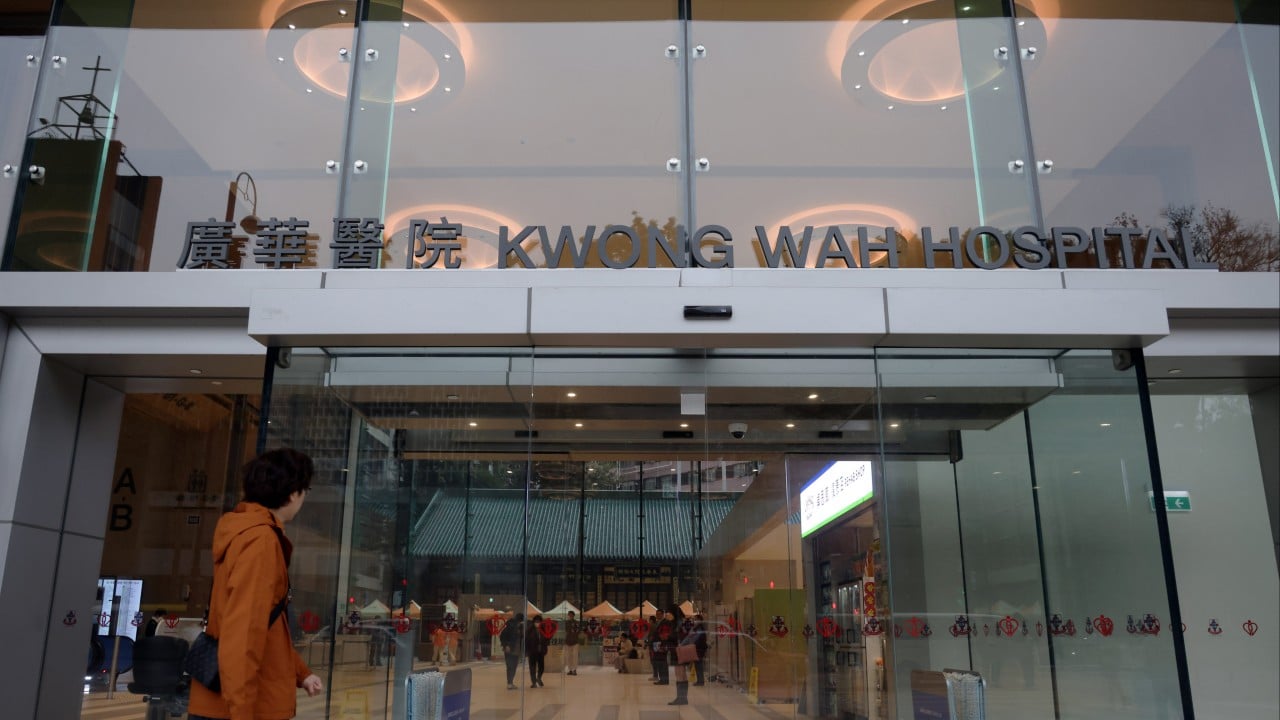
Hospitals are supposed to be sanctuaries for healing. Instead, emergency wards and inpatient psychiatric units occasionally turn into flashpoints of acute crisis. When a patient sets fire to hospital bedding and restraint belts, it exposes terrifying vulnerabilities in modern healthcare facilities.
Security breakdowns in medical institutions happen more often than official public relations statements admit. I have spent years analyzing emergency response protocols in urban healthcare networks. What happened inside that Hong Kong hospital ward isn't just an isolated act of vandalism. It points to a systemic failure in managing severe behavioral health crises within standard medical environments.
The Reality of Hospital Security Vulnerabilities
Most people assume hospitals are secure zones. They picture locked wards, metal detectors, and guards stationed at every corridor. The truth is much messier. General hospitals must remain open and accessible to the public. They cannot function like maximum-security facilities.
When a patient experiences an acute psychiatric episode, medical staff are often the first line of defense. Nurses and doctors receive basic de-escalation training. They don't carry weapons. They rely on physical restraint belts, heavy sedation protocols, and panic alarms.
Bedding, medical gowns, and standard-issue hospital mattresses are designed for comfort and ease of sanitization, not extreme fire resistance. When someone manages to ignite fabric and restraint straps inside a confined room, the danger escalates within seconds. Toxic smoke fills ventilation shafts. Panic spreads through the ward. Patients who cannot walk unaided depend entirely on fast-moving staff to survive.
Why Restraint Protocols Fail Under Pressure
Restraint belts are meant to protect patients from harming themselves or others. They are also flashpoints for intense psychological distress. For a patient already losing touch with reality, being strapped to a hospital bed feels like a terrifying imprisonment.
When frustration turns into desperation, patients look for any available means of resistance. Matches or lighters slip past security during admission checks more often than inspectors want to admit. Visitors bring prohibited items up to inpatient floors. Staff cannot strip-search every single person entering a medical ward without violating basic human dignity and legal rights.
We need to talk honestly about how hospitals handle high-risk admissions. Standard medical wards lack the architectural safety features found in dedicated psychiatric intensive care units. Anti-ligature fixtures, fire-retardant textiles, and heavy-duty smoke evacuation systems cost money. Many regional hospitals operate on tight budgets where safety upgrades get delayed year after year.
The Legal Aftermath and Criminal Charges
Arresting a patient after a fire breaks out in a hospital ward seems like the obvious response. Law enforcement steps in immediately. Charges of arson and criminal damage get filed.
Yet, arresting someone in the middle of a mental health crisis raises thorny legal and ethical questions. Courts must determine whether the individual understood their actions at the exact moment the fire started. If a patient is experiencing severe psychosis, traditional criminal liability shifts.
Hospitals face intense scrutiny during these investigations. Licensing boards look closely at nurse-to-patient ratios. If two nurses were managing thirty patients on a single night shift, monitoring a high-risk individual becomes practically impossible.
Preventing the Next Ward Fire
Real security isn't about more handcuffs or harsher prison sentences after disaster strikes. It starts with architectural design and intelligent triage.
Hospitals must install smart smoke detection systems that pinpoint the exact bed where smoke originates. Textile manufacturers need to supply emergency wards with completely fireproof bedding materials that resist open flames entirely.
If you or a family member ever face inpatient hospitalization during a mental health crisis, ask questions about ward security. Know the layout. Understand how quickly staff can respond to an emergency inside a private room.
Protecting vulnerable patients means admitting that current hospital infrastructure is failing. Until administrators invest in real physical safety upgrades and lower staff workloads, wards will remain dangerously fragile.