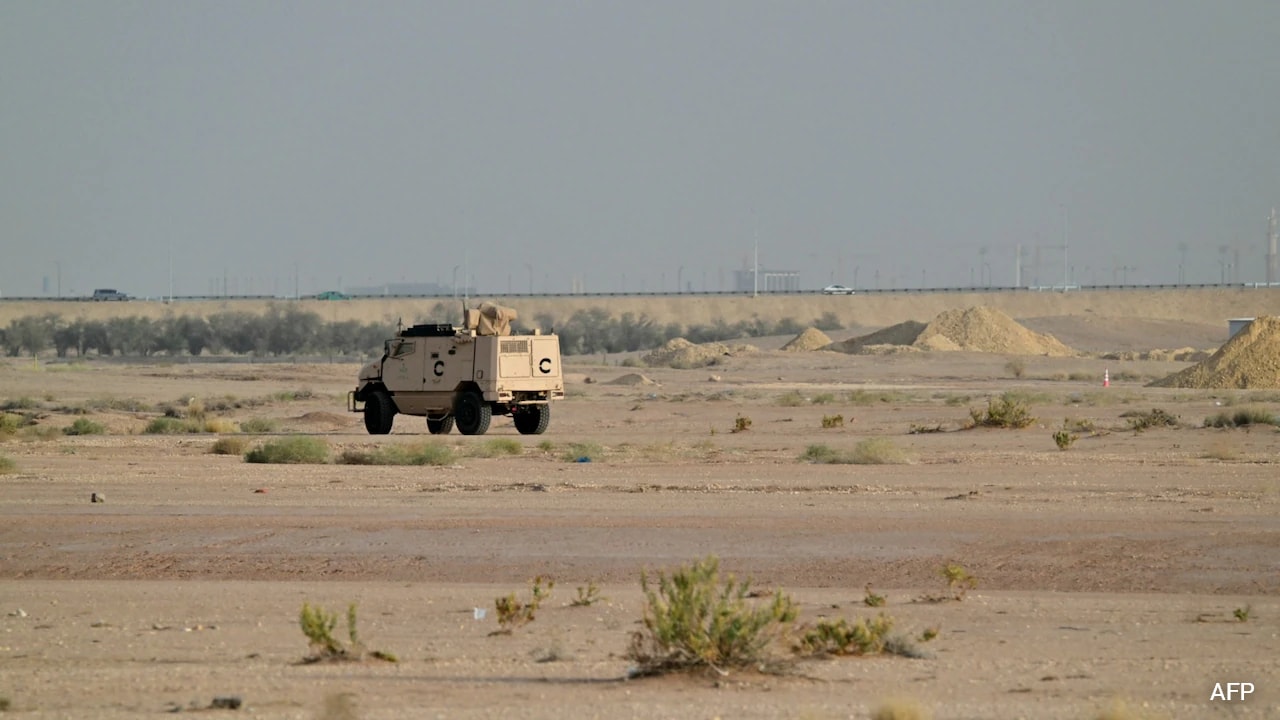
The smoke rising over Saudi Arabia’s critical energy infrastructure isn't just a localized problem for Riyadh. When Iran-backed Houthi forces launched coordinated drone and missile strikes targeting the capital city of Riyadh and vital Saudi Aramco oil facilities, the conflict in Yemen crossed a dangerous threshold.
You’re looking at a fundamental shift in modern asymmetric warfare. State-sponsored proxy groups are no longer just fighting territorial skirmishes in their home countries. They’re wielding precision-guided munitions that can disrupt global energy markets, pierce sophisticated air defense networks, and hold economic superpowers hostage. If you've been paying attention to regional security, you know this escalation was bound to happen. But the scale and audacity of these strikes caught international observers flat-footed.
Understanding the Target Profile
Let’s look at what actually got hit. Saudi Aramco isn’t just an oil company. It’s the beating heart of the global energy supply. When facilities in cities like Jeddah, Yanbu, or processing plants near the capital face incoming projectiles, energy traders panic instantly. Brent crude futures jump. Shipping insurance rates spike.
The Houthi strategy relies on a simple math problem. Saudi Arabia spends tens of billions of dollars on advanced defense systems like the US-made Patriot batteries. Meanwhile, the Houthis deploy low-cost, delta-wing loitering munitions and cruise missiles built with smuggled Iranian components. Firing a multi-million-dollar interceptor missile at a fifty-thousand-dollar drone is a losing economic game for Riyadh over the long haul.
That asymmetry creates a strategic nightmare. You can have the best military hardware money can buy, but defending every square mile of an oil-rich kingdom against swarming, low-altitude threats is nearly impossible.
The Regional Chessboard and Tehran's Hand
Nobody believes the Houthis manufactured these long-range systems on their own. United Nations panel reports and Western intelligence agencies have repeatedly documented the transfer of ballistic missile technology and explosive-laden drones across the Gulf of Aden and through porous smuggling routes.
Iran plays a long, patient game. By backing the Houthi movement, Tehran maintains a permanent lever against its regional rival, Saudi Arabia, and pressures Western powers involved in the ongoing diplomatic negotiations surrounding the Iranian nuclear deal. When talks stall or economic sanctions bite, the drone strikes often tick upward. It’s a direct pressure tactic disguised as local resistance.
You have to look at the domestic audience inside Yemen, too. For the Houthi leadership, claiming attacks on the capital of a wealthy adversary rallies domestic support, distracts from internal economic hardship, and projects strength to regional rivals. They frame these operations as acts of self-defense against the Saudi-led coalition intervention that began back in 2015.
The Economic Aftershocks
Energy markets hate uncertainty. Every time a refinery catches fire or an oil storage tank takes a direct hit, the ripples spread straight to gas stations across the United States, Europe, and Asia.
People often ask why a conflict in the southern Arabian Peninsula matters to everyday consumers thousands of miles away. Here is the reality. The Bab el-Mandeb strait, located just off Yemen’s coast, handles millions of barrels of oil and refined products daily. When regional security deteriorates, maritime traffic slows down, routes get diverted around the Cape of Good Hope, and logistical costs skyrocket.
Refining capacity hits also cause localized shortages. Even temporary shutdowns at Aramco facilities force state planners to tap into strategic reserves. Markets absorb the shock eventually, but the baseline volatility remains permanently higher.
What Air Defenses Miss
Technology fails when tactics adapt faster than procurement cycles. Traditional air defense radar is optimized for fast-moving, high-altitude ballistic missiles and tactical fighter jets. It wasn't originally designed to spot a slow, buzzing composite-body drone flying twenty feet off the ground through mountain valleys or desert terrain.
Military contractors are scrambling to fix this gap. Directed-energy weapons, high-powered microwaves, and cheaper kinetic interceptors are the current flavor of the month in defense tech circles. But deploying them effectively across thousands of critical industrial sites takes years. Until those systems hit the field en masse, infrastructure remains vulnerable.
Diplomatic channels remain the only real exit ramp. Ceasefire agreements come and go, broken by mutual distrust and competing territorial ambitions on the ground in governorates like Marib and Hodeidah. Until a political settlement brings all Yemeni factions and regional sponsors to a permanent consensus, the threat to civilian airports and energy nodes stays active.
Keep a close eye on maritime security partnerships and drone defense spending over the next fiscal quarter. That tells you where regional security is actually heading, long before the next headlines break.