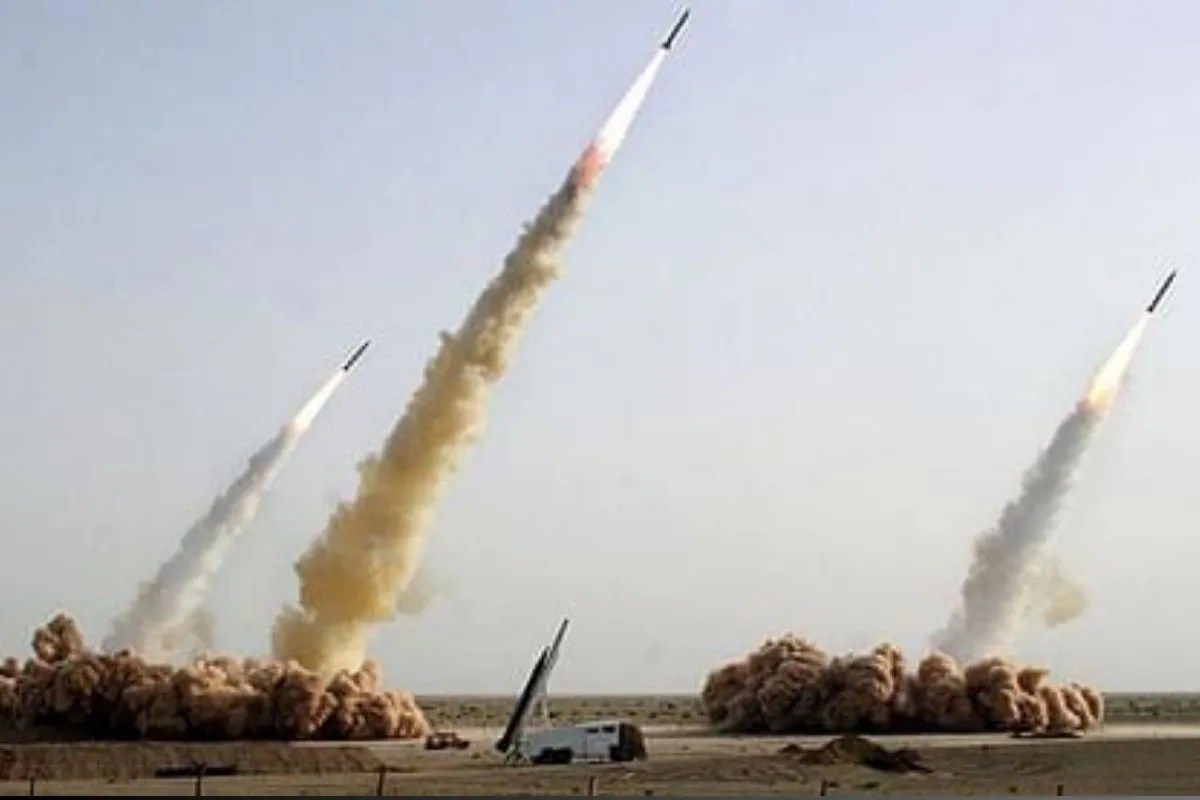
You can trace a straight line from a stretch of coastal sand in Yemen directly to the price of fuel at your local pump. Right now, that line is shaking. Iran-backed Houthi forces are aggressively tightening their grip on the Bab el-Mandeb Strait, seizing territory like the strategic port city of Mokha and pushing deep into vital Red Sea corridors.
Most people ignore geopolitical chokepoints until cargo shipping rates double overnight. That is a massive mistake. When a non-state actor with close regional ties manages to wedge itself into one of the busiest maritime arteries on earth, the shockwaves hit supply chains, energy markets, and military planners simultaneously.
The Geography of Global Vulnerability
Let's look at the map. The Bab el-Mandeb Strait is only about 18 miles wide at its narrowest point. It sits between Yemen on the Arabian Peninsula and Djibouti on the Horn of Africa, serving as the essential gateway connecting the Indian Ocean to the Red Sea and the Suez Canal. Billions of dollars in goods and a significant percentage of global crude oil pass through this exact aquatic bottleneck every single day.
When the Houthis advance along the Yemeni coastline, they aren't just winning local skirmishes. They are positioning anti-ship missiles, drones, and artillery units within striking distance of commercial lanes.
Think about what happens when energy superpowers like Saudi Arabia have to pivot. With parts of the Persian Gulf and the Strait of Hormuz facing severe operational bottlenecks, Riyadh has leaned heavily on cross-country pipelines to push oil toward Red Sea ports like Yanbu. If the Bab el-Mandeb Strait becomes a warzone, that crucial escape valve shuts down. Energy markets hate uncertainty more than anything else, and a compromised strait translates instantly to skyrocketing crude prices.
Beyond Rhetoric to Territorial Control
For years, analysts debated whether Houthi threats against international shipping were mere political posturing. Recent developments on the ground have settled that debate. By routing government forces and securing coastal strongholds, the group has transformed its tactical footprint.
Control on land equals dominance at sea. When you hold the high ground along the shore, deploying fast attack craft and coastal defense missiles becomes infinitely easier.
The strategy relies on asymmetric pressure. The group knows they don't need a massive navy to disrupt global commerce. They just need enough firepower to make commercial insurers terrified of sending container ships through the corridor. Once marine insurance premiums spike or shipping lines reroute around the entire African continent, the economic damage is already done.
The Broader Proxy Calculus
You cannot analyze the Bab el-Mandeb situation in a vacuum. It functions as a primary pressure valve in the broader shadow war involving regional heavyweights and international powers. Tehran views its network of regional allies as strategic leverage. When tensions flare elsewhere, instructions can travel down the chain to ramp up pressure at sea.
At the same time, local dynamics matter immensely. Years of civil war, failed truces, and fragile ceasefires have left Yemen fractured. The internationally recognized government struggles to maintain cohesive defense lines against a highly motivated adversary that blends ideological fervor with practical territorial ambitions.
International coalitions have tried to push back through naval task forces and defensive escorts, but patrolling a vast maritime frontier against asymmetric drone and missile threats is extraordinarily difficult and expensive. Defensive measures cost millions of dollars per interception, creating a severe economic imbalance favoring the attackers.
Expect continued volatility across global shipping lanes as long as the shores of the Red Sea remain contested. Watch the insurance markets and rerouting metrics rather than just official diplomatic statements to understand the true severity of the situation on the ground.