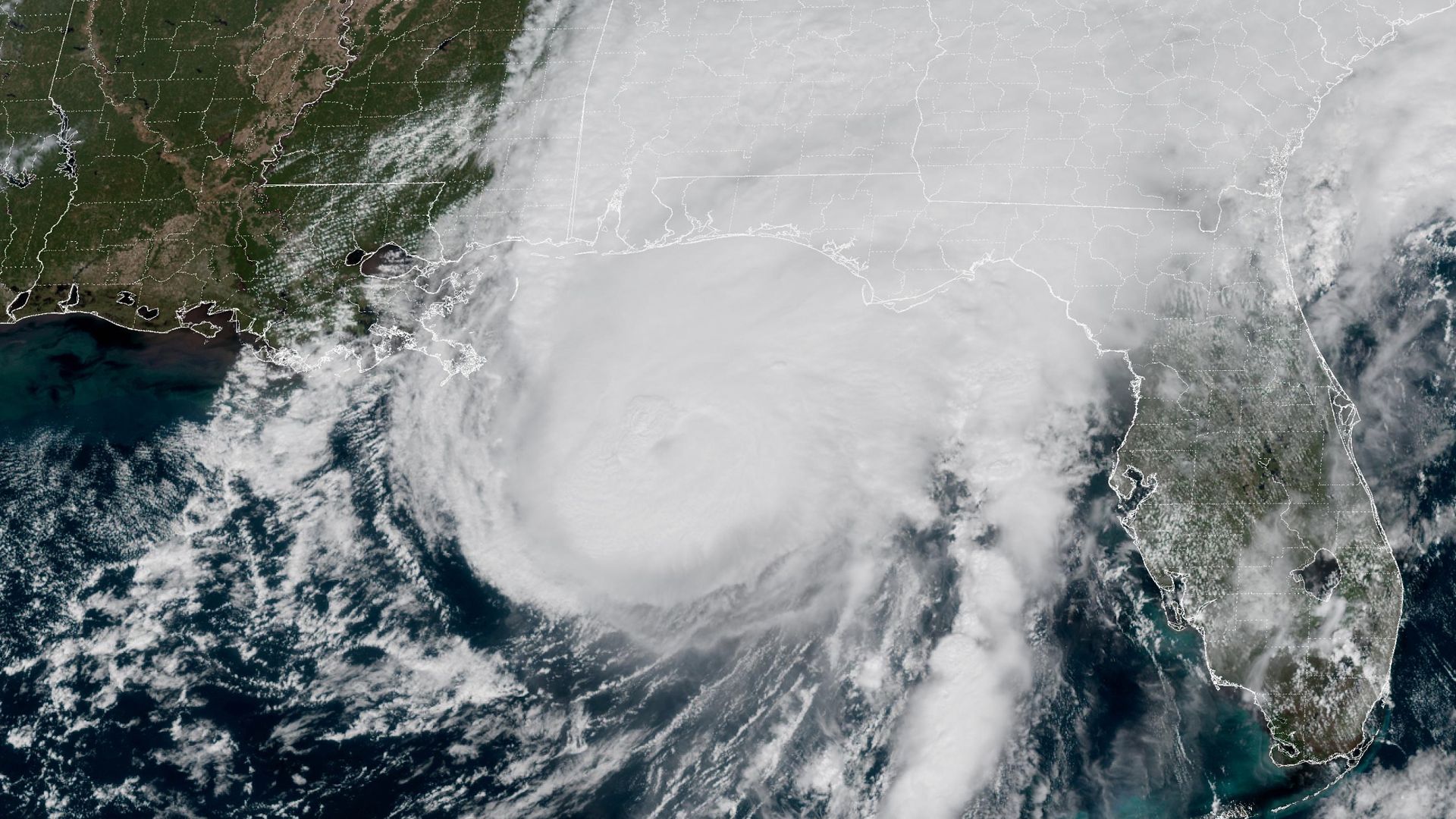
When Hurricane Isaias roared toward the Gulf Coast, packing peak winds near 120 mph and driving a destructive storm surge, mainstream bulletins fell back on familiar, lazy tropes. They told communities to buckle down, issued standard warnings, and counted down the hours to landfall. But looking past the standard broadcast graphics reveals an entirely different story. This storm did not just test regional infrastructure; it exposed structural vulnerabilities in emergency response, energy grid dependencies, and evacuation forecasting that emergency management agencies have spent years ignoring.
The official narrative treated Isaias as a straightforward meteorological event. Warm Gulf waters provided fuel for rapid intensification, steering currents pushed it northward, and coastal zones took the hit. Yet the true danger lay in how the storm's expanding wind field interacted with deeply fragmented local preparation frameworks. Across the Florida Panhandle and into Alabama, insured losses rapidly climbed past two billion dollars, while total economic damage estimates settled between sixteen and twenty billion dollars. Those numbers are not merely the result of high winds. They are the invoice for decades of deferred infrastructure hardening in high-risk coastal corridors.
Consider the energy sector exposure. Industrial assessments identified deep vulnerabilities across offshore oil platforms, natural gas processing facilities, and regional power grids long before the eyewall crossed the coast. When major storms approach, operators face a brutal economic calculus. Shutting down production and evacuating personnel protects lives, but it also triggers massive supply disruptions that ripple through national energy markets. Isaias forced widespread production shut-ins and left hundreds of thousands of customers without power from the initial impact zones all the way inland. Grid failure is no longer an accidental byproduct of severe weather. It has become a predictable failure mode of aging transmission systems that are routinely overwhelmed by expanding wind swaths.
Meteorologically, Isaias defied simple categorization. While forecasters tracked its progression toward major hurricane status, the storm generated secondary hazards that caught local populations off guard. More than fifty tornado warnings spawned across Georgia, South Carolina, and North Carolina as outer rainbands interacted with inland air masses. Flash flooding turned rural highways in Alabama into rivers, with single-point rainfall totals approaching thirteen inches. When weather systems pack this kind of multi-threat punch, linear evacuation models fail. Citizens fleeing a coastal storm surge frequently drive directly into inland flash floods or tornado alleys spawned by the same system hours ahead of the center.
The human cost tells an equally stark tale. Nine fatalities tied directly to the storm system—ranging from tragic carbon monoxide poisonings caused by improper generator placement indoors to motorists trapped by downed infrastructure—underscore a persistent gap in public safety communication. Warnings about wind speeds and barometric pressure do little to protect residents from the secondary hazards that claim lives days after the eye has passed. Municipal authorities in cities like Pensacola and Mobile faced immediate grid collapses, crippled local airports, and severed supply lines that slowed the initial emergency response window to a crawl.
Emergency preparedness in the southeastern United States remains trapped in a reactive loop. Billions are spent on post-disaster cleanup, debris removal, and short-term insurance payouts, while systemic hardening of distribution grids and zoning reform in flood-prone zones lag behind. Until municipal planners and federal agencies shift focus from mere survival warnings to aggressive structural resilience, every subsequent hurricane will extract an escalating toll.
The storm has passed, but the structural flaws it laid bare remain entirely unaddressed.