Stop buying the "glow."
Most of what you’ve been told about hyaluronic acid (HA) is a marketing fairy tale designed to sell cheap sugar-water at a 500% markup. We are currently living through a skincare mass delusion where every brand, from drugstore staples to "clinical" luxury lines, insists that you need more HA to stay hydrated. Meanwhile, you can explore similar stories here: Stop Protecting Girls From Growing Up Too Fast.
They are lying. Or, at the very least, they are omitting the physics of how this molecule actually behaves on your face.
The industry loves to parrot the stat that hyaluronic acid can hold 1,000 times its weight in water. That sounds impressive until you realize that HA is a humectant—a magnet. Magnets don't create moisture; they just move it around. If you live in a dry climate, or if you sit in an air-conditioned office for eight hours a day, that expensive serum isn't pulling moisture from the air into your skin. To see the full picture, we recommend the recent report by Cosmopolitan.
It is pulling moisture out of your dermis and evaporating it into the sky. You aren't hydrating; you are actively subsidizing the humidity of your living room at the expense of your face.
The Molecular Weight Scam
Browse any "best of" list and you’ll see brands bragging about "multi-molecular weight" formulas. They claim that low-molecular-weight HA penetrates deeper to hydrate from within.
Here is the truth: smaller is not better.
While high-molecular-weight HA sits on the surface and acts as a decent (if overpriced) film-former, low-molecular-weight HA is often a pro-inflammatory signal. In the biology of wound healing, the fragmentation of HA into smaller pieces is a "danger signal" to the body. When you force these tiny fragments into your skin, you aren't "hydrating the deep layers." You are potentially triggering a low-grade inflammatory response.
I’ve seen enough "glass skin" routines end in perioral dermatitis and compromised barriers to know that the "more is more" approach to HA is a recipe for long-term sensitivity. If your skin feels tight five minutes after applying a serum, the HA is working against you. It has reached its equilibrium and is now parching your cells.
The Humidifier Fallacy
The "People Also Ask" sections of the internet are filled with variations of: How do I get the most out of my hyaluronic acid?
The common advice is to "apply it to damp skin." This is a band-aid for a flawed product. If a product requires you to carry a spray bottle of thermal water around just to keep it from sucking your face dry, the product is a failure of formulation.
The reality is that HA is a lazy ingredient. It is cheap to manufacture and easy to stabilize. This makes it a "filler" ingredient for brands that want to claim clinical efficacy without investing in complex delivery systems or actual lipid-replenishing ingredients like ceramides, cholesterol, and fatty acids.
We have traded skin-identical lipids—the stuff that actually keeps water inside—for a temporary, watery "plump" that disappears the moment you wash your face.
Glycerin: The Unsexy King You’re Ignoring
If you want to talk about real hydration, we have to talk about the ingredient that costs five cents a gallon and works better than HA ever will.
Glycerin.
It’s the most boring ingredient in skincare. It’s also the most effective. Glycerin is a smaller molecule than most HA variants, meaning it actually gets into the stratum corneum to increase the "hydration" of your skin cells without the inflammatory risk.
Why don't brands talk about it? Because you won't pay $80 for a "Glycerin Glow Serum."
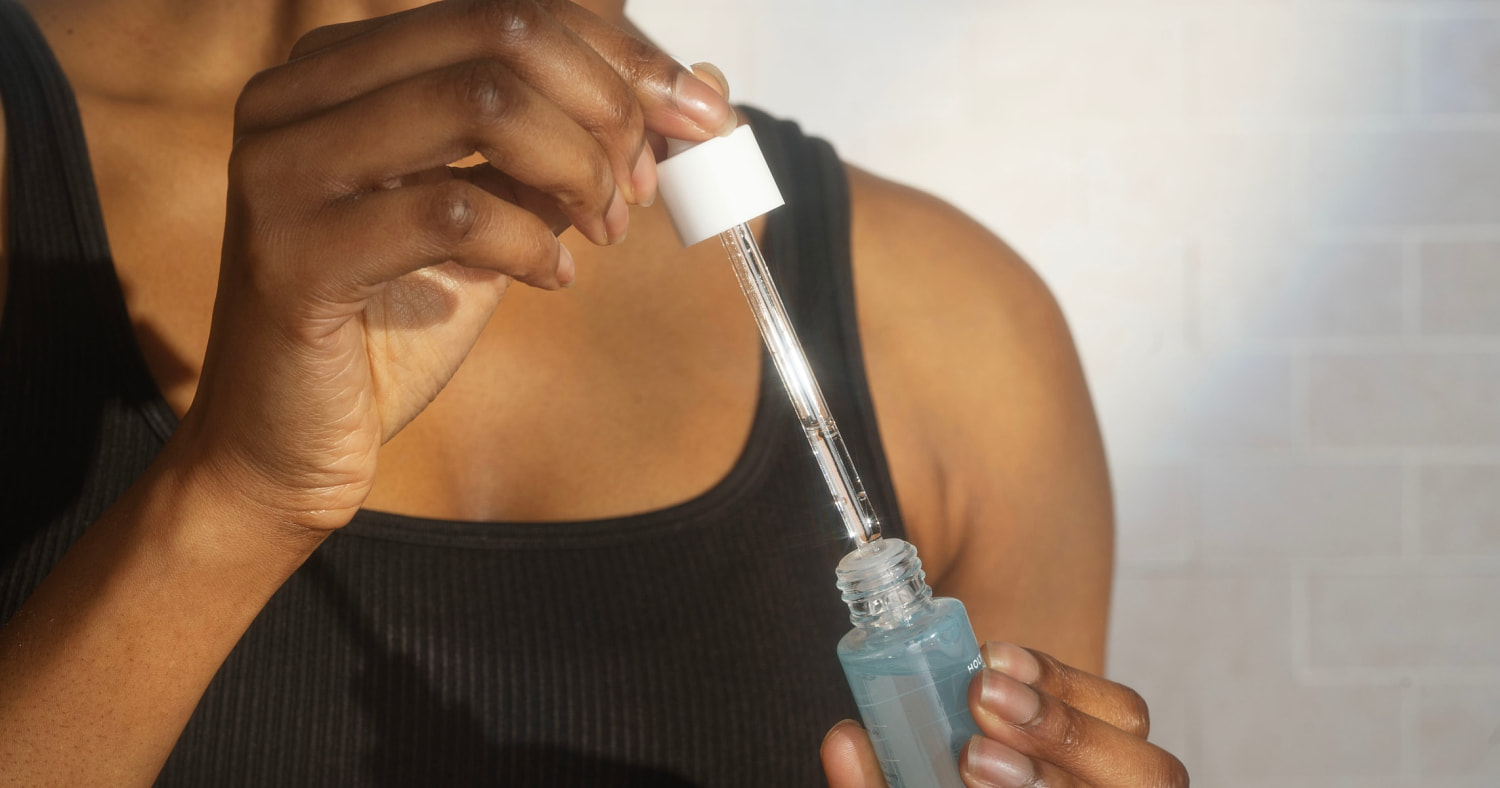
If you are using a $100 HA serum, you are paying for the brand's marketing budget. You are paying for the sleek glass bottle and the dropper that makes you feel like an amateur chemist. You are paying for a "clean beauty" stamp on a product that is mostly water, a couple of thickening agents, and a preservative system.
The Barrier Is Not a Reservoir
Here is the central lie of the "glow" industry: that more hydration is the answer to every skin concern.
Your skin is a barrier, not a bucket. When you oversaturate it with water-binding humectants like HA, you actually weaken its structure. This is why you see people with "perfect" 10-step routines suddenly develop rashes, redness, and sensitivity. They have hydrated their barrier into a state of semi-permeability.
Instead of trying to force more water in, you should be focused on stopping water from getting out.
Transepidermal Water Loss (TEWL) is the enemy. No amount of hyaluronic acid will fix TEWL if you aren't sealing it in with occlusives. And if you have to seal the HA in with a heavy occlusive anyway, why bother with the HA in the first place? Your moisturizer likely already has enough humectants to do the job.
What You Should Actually Do
The next time you’re tempted to click on a listicle of the "best hyaluronic acid serums," ask yourself if your skin actually needs it.
If you have oily skin, you're likely over-cleansing and trying to fix it with HA, which only fuels the cycle. If you have dry skin, you need oils and lipids, not more surface-level water.
Stop buying single-ingredient serums. Stop looking for the "highest concentration." Stop treating HA like a miracle molecule and start treating it like the cheap, utilitarian humectant it is.
The goal isn't "all the glow, none of the grease."
The goal is a skin barrier that actually works. And you don't get that from a dropper bottle of fermented sugar. You get it by respecting the biology of your skin and refusing to participate in a marketing trend that is literally sucking the life out of your face.
Put the dropper down and buy a real moisturizer.