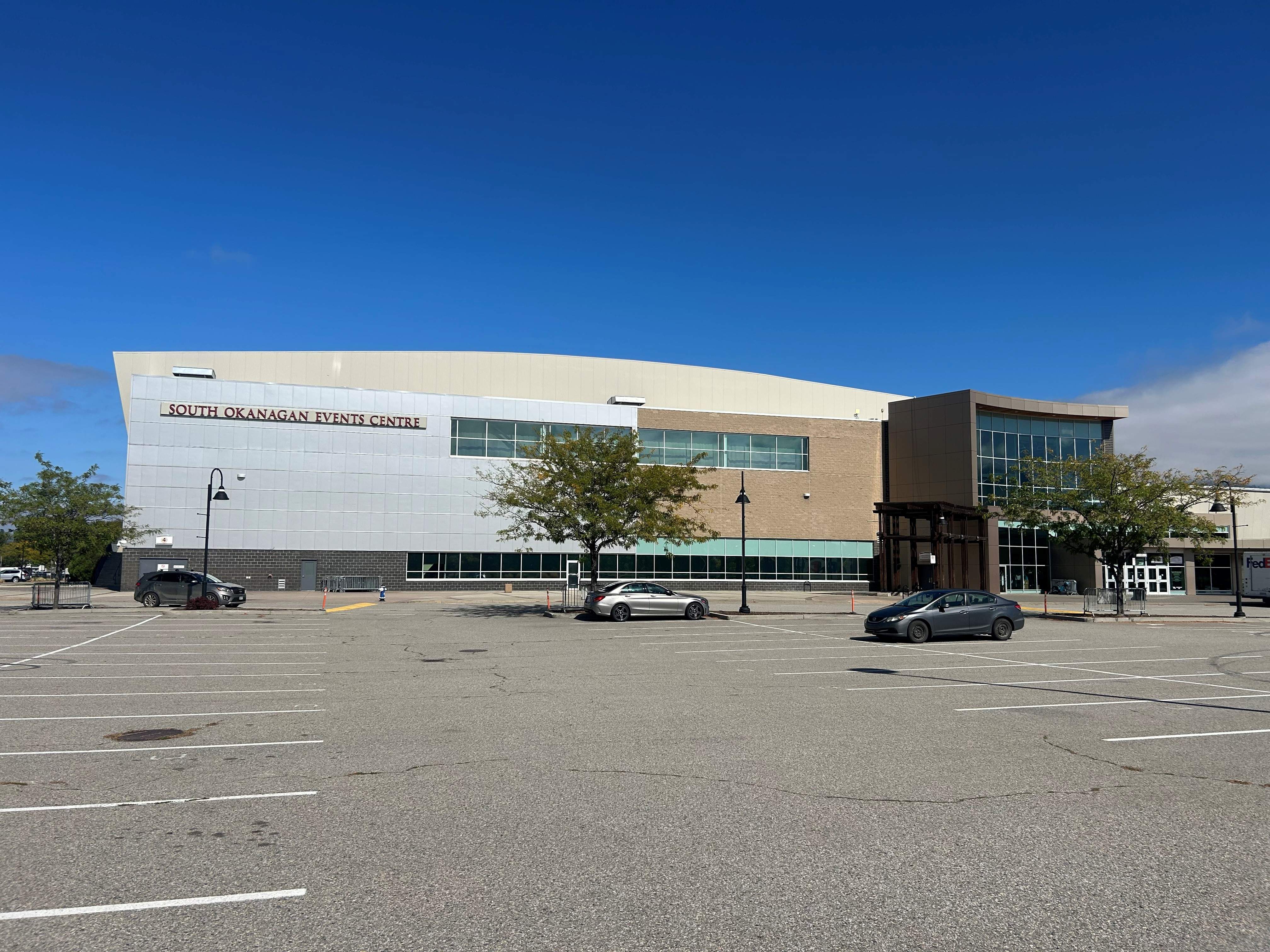
Morning in the Okanagan smells like dust, sun-baked orchards, and the faint, sharp bite of freshly shaved ice leaking through the concrete loading docks of the South Okanagan Events Centre.
Outside, Penticton is still shaking off the sleepy haze of late summer. Tourists have packed up their inflatable rafts and departed the beaches flanking Okanagan Lake. The rows of vineyards stretching toward Naramata are heavy with dark, swelling clusters of grapes, waiting for the crush. But down on Vees Drive, a different kind of harvest is underway. It is September, which means the Vancouver Canucks have returned.
For the third consecutive autumn, the NHL franchise has traded the gleaming glass towers and gray coastal drizzle of downtown Vancouver for this sun-drenched valley in British Columbia’s interior. On paper, it is a logistical choice. A facility with top-tier amenities, an arena that swallows noise, and a geographical isolation that forces a group of hockey players to look only at each other.
In reality, it is a pilgrimage.
Ice is a strange medium. It is an artificial winter stretched thin over concrete, yet it demands absolute devotion. Stand in the lower bowl of the arena before the morning skate begins. The air is cold enough to raise goosebumps on bare arms, smelling of sweat, skate polish, and the cold rubber of rubber mats. Then comes the sound. A skate blade hits the sheet—ch-sk, ch-sk—carving a white plume of frost dust into the empty air.
Training camp is never just about skating drills or tactical systems. Those are the mechanics, the blueprints of a season yet unwritten. The true heartbeat of Penticton lies in the tension between what a player was last April and who they desperately need to be when the calendar flips to October.
Consider the rookie standing near the blue line, his visor fogging in the chill. He is nineteen years old. His trunk is filled with minor hockey memories, junior accolades, and a lingering, paralyzing fear that he is entirely out of his depth. He looks across the dot and sees a veteran—someone whose face is a roadmap of scar tissue and playoff battles, a man who has hoisted trophies and undergone three knee surgeries. They wear the same crest. For the next four days, they will skate on the same unforgiving sheet, breathing the same thin air, chasing the exact same dream.
That is why the team comes here.
Vancouver is too loud. It is a city that vibrates with opinions, where every coffee shop counter becomes a sports radio broadcast, where a bad preseason shift is dissected on social media before the player has even unlaced his skates. Penticton offers a quiet bubble. It strips away the ambient noise of a major metropolitan market. Here, there are only the hotel, the rink, the rink, the hotel, and the heavy weight of expectations.
Locals know the rhythm by heart now. You see them at the local diners over eggs and toast, wearing vintage blue-and-green jerseys that have weathered decades of heartbreak and hope. They talk about defensive pairings and goaltending depth the way farmers talk about soil conditions and frost dates. They understand that hockey in this province isn't merely entertainment; it is the emotional weather report. When the Canucks win, the entire province stands a little taller. When they stumble, a quiet, collective sigh settles over the Pacific Northwest.
Down at ice level, the whistle blows. Head coach Rick Tocchet's voice cuts through the vast, empty arena like a razor blade. There is no ambiguity in his tone. It is demanding, urgent, and entirely devoid of pretense. Move your feet. Win your battles. No excuses.
A winger drives hard down the boards, his shoulder dipping to protect the puck. He absorbs a heavy check from a defenseman trying to secure his own roster spot. The boards groan. The glass rattles. For a split second, you can hear the sharp, involuntary gasp of air leaving a player's lungs upon impact. This is the invisible price of admission. Long before the television cameras light up Rogers Arena for opening night, long before the national anthems ring out to packed houses, the season is won or lost in these quiet, grueling sessions in the interior.
The sun dips below the surrounding hills, casting long, bruised shadows across the valley. The ice crew floods the sheet, smoothing away the gashes, ruts, and skate marks left by hours of relentless toil. Tomorrow, the cycle repeats. The alarm will ring before dawn. The skates will lace up. The blades will bite into the frozen water.
And somewhere in the stands, a kid in an oversized jersey will press his hands against the cold glass, watching his heroes build something out of nothing, waiting for the puck to drop.