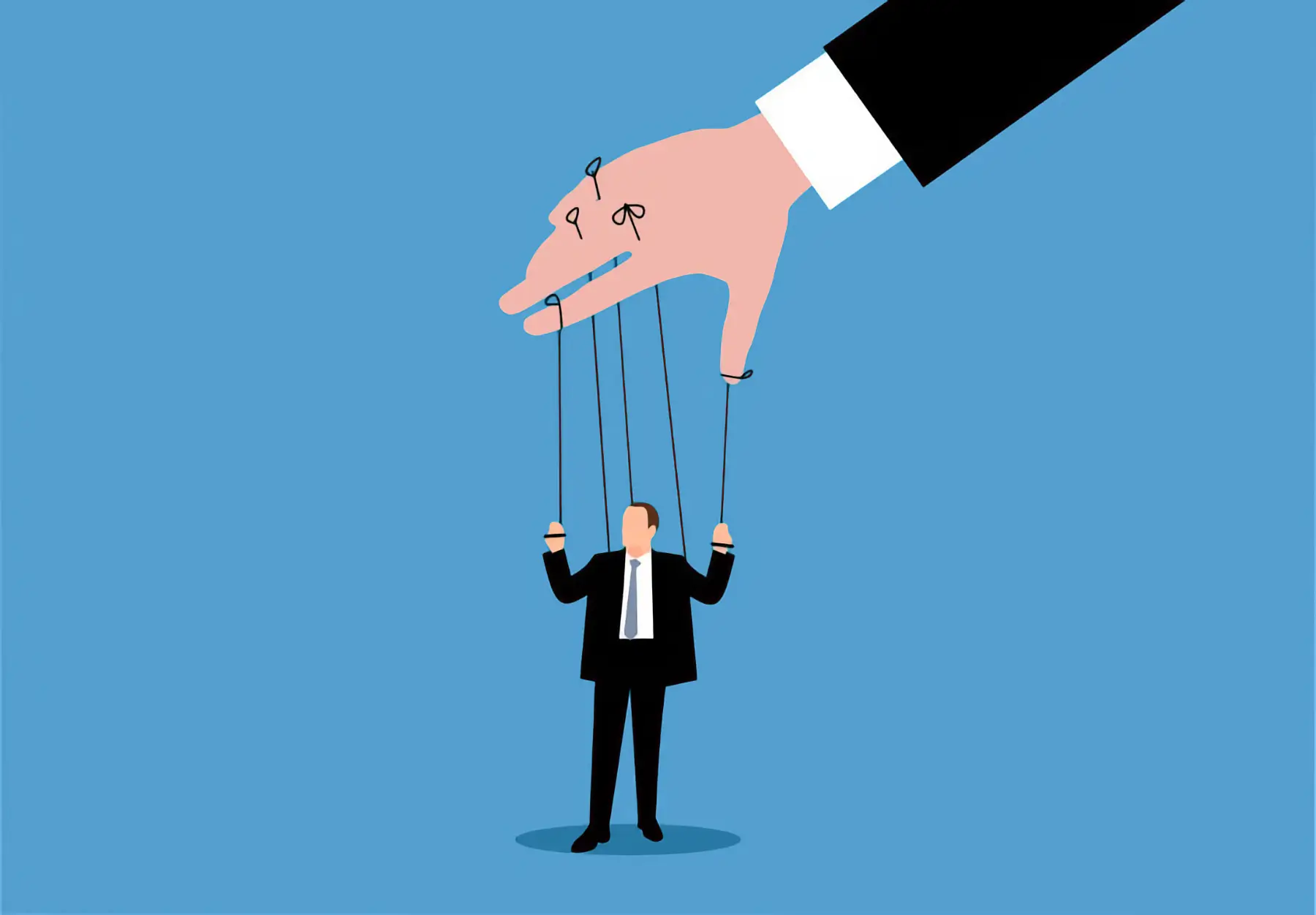
The air in the Situation Room is often described as thick, but it’s actually sterilized. It smells of ozone and expensive upholstery. Somewhere in that room, or perhaps on a golf course in Mar-a-Lago, a map of the Middle East is spread out. On this map, Iran is a jagged, stubborn shape. For years, the American approach to this shape has been governed by a single, seductive idea: that if you squeeze a thing hard enough, it will eventually take the shape you want.
We call this "Maximum Pressure." It sounds like a physical law, something predictable and heavy. But when you apply pressure to a liquid, it doesn't break. It flows into the cracks you didn't know were there.
The Ghost in the Centrifuge
Consider a technician in Natanz. Let’s call him Omid. He is a hypothetical composite of the thousands of scientists who spend their lives underground, shielded by meters of concrete. Omid doesn't think about "strategic pivots" or "regional hegemony." He thinks about the hum of the IR-6 centrifuges.
When the United States withdrew from the JCPOA in 2018, the logic was that the Iranian economy would scream, the people would rise, and the leadership would crawl back to the table for a "better deal." Instead, Omid’s work accelerated. The hum got louder. The purity of the uranium climbed from 3.67 percent to 20, then to 60.
Pressure didn't create a vacuum; it created a forge.
The fundamental failure of the Trump administration’s Iran policy wasn't a lack of toughness. It was a lack of imagination. It assumed that Tehran plays the same game of poker we do. They don’t. They play Go—a game where you don’t just take your opponent's pieces, you surround their territory until they have nowhere left to breathe. While we were busy counting the barrels of oil they couldn't sell, they were busy building a "land bridge" through Iraq, Syria, and Lebanon.
The Ledger of Broken Things
Statistics are cold, but they tell a story of a strategy that choked the wrong people. The Iranian Rial plummeted. Inflation soared above 40 percent. In the spice markets of Tehran, the price of meat became a luxury. This is where the human element gets messy. If the goal was to turn the Iranian public against their government, the result was more complicated.
Sanctions are a blunt instrument. They are a sledgehammer used to perform heart surgery. When you take away a father’s ability to buy medicine for his child, he doesn't always blame his own government first. Often, he looks toward the horizon, toward the superpower that signed a deal and then walked away from it.
Donald Trump’s refusal to acknowledge these strategic failures stems from a preoccupation with the "deal" as a static object. In his view, the 2015 agreement was "the worst deal ever negotiated." By that logic, any alternative—even a chaotic one—must be superior. But international relations are not a real estate closing. There is no final signature that ends the tension. There is only the constant, grinding management of risk.
The risk today is significantly higher than it was when the pressure began. We are looking at a "breakout time"—the period needed to produce enough fissile material for a nuclear weapon—that has shrunk from a year to a matter of weeks, or even days. That isn't a success. It's a cliff.
The Proxy Paradox
Imagine a chessboard where your opponent has twenty extra pieces, and they are all invisible. This is the reality of the "Axis of Resistance."
While the Trump administration focused on the nuclear file, the regional reality shifted. We saw the rise of sophisticated drone technology in the hands of the Houthis in Yemen. We saw Iraqi militias becoming more integrated into the state apparatus. We saw the assassination of Qasem Soleimani—a move intended to decapitate the Iranian paramilitary apparatus.
For a moment, there was silence. Then, the ripples began.
The removal of Soleimani did not end Iran's regional ambitions; it decentralized them. It made the threat more unpredictable. It turned a single point of contact into a hydra. This is the "invisible stake" that rarely makes it into a campaign speech. When you kill a general, you create a martyr. When you break a deal, you create a precedent. The message sent to Tehran wasn't "behave." The message was "never trust an American signature again."
The Mirage of a Better Deal
There is a specific kind of pride that prevents a leader from admitting a course correction is necessary. It is the pride of the captain who insists the iceberg will move if the ship just keeps its speed.
The "Maximum Pressure" campaign was built on twelve demands issued by then-Secretary of State Mike Pompeo. They were, for all intents and purposes, a demand for unconditional surrender. Iran had to stop all enrichment, end its missile program, withdraw from Syria, and cease support for its proxies.
It was a list of fantasies.
In the world of hard-nosed diplomacy, you rarely get 100 percent of what you want. You settle for the 70 percent that keeps you safe. By demanding everything, the administration ensured it would get nothing. The "better deal" never materialized because there was no incentive for Iran to sit down. Why would they? They had already seen how easily a change in the White House could vaporize years of work.
The Echo in the Gulf
To understand the weight of this failure, you have to look at the water. The Persian Gulf is the world's jugular. A significant portion of the planet's oil passes through the Strait of Hormuz. During the peak of the pressure campaign, we saw "shadow wars"—tankers being limpet-mined, drones being shot down, and a massive strike on Saudi Arabian oil facilities at Abqaiq.
The world held its breath. We were inches away from a conflict that would have sent global markets into a tailspin and pulled another generation of soldiers into the desert. And for what? To replace a flawed but functioning arms control agreement with a void?
The irony is that the pressure actually pushed Iran closer to the very powers the U.S. is most concerned about. Tehran and Beijing signed a 25-year strategic partnership. Moscow and Tehran began a deep military exchange, with Iranian drones appearing on the battlefields of Ukraine.
We tried to isolate them. Instead, we forced them to find new friends.
The Weight of the Unspoken
It is easy to talk about Iran in terms of "red lines" and "maximums." It is much harder to talk about the nuance of a civilization that has existed for millennia and views time not in four-year election cycles, but in centuries.
The failure to accept the reality of the situation is perhaps the most dangerous part of the legacy. If we continue to believe that Iran is on the verge of collapse, or that one more set of sanctions will be the "game-changer" (to use a term I despise), we are hallucinating.
We are standing in a desert of mirrors, looking at a reflection of our own strength and calling it a strategy.
The reality is a messy, uncomfortable stalemate. It requires a return to the grueling, unglamorous work of diplomacy—the kind where no one gets everything they want, and no one gets to take a victory lap on social media. It requires acknowledging that the "maximum" approach reached its limit and found that the other side was willing to bleed longer than we were willing to stay focused.
The map is still there. The centrifuges are still spinning. The people in the markets are still hungry. And the shape on the map hasn't changed. It has only hardened.
We are waiting for a leader to look at the wreckage of the last few years and realize that true power isn't the ability to crush. It is the ability to build something that lasts longer than a single term in office. Until then, the hum in the concrete vaults of Natanz will continue, a steady, vibrating reminder of the cost of a pride that cannot admit it lost its way.