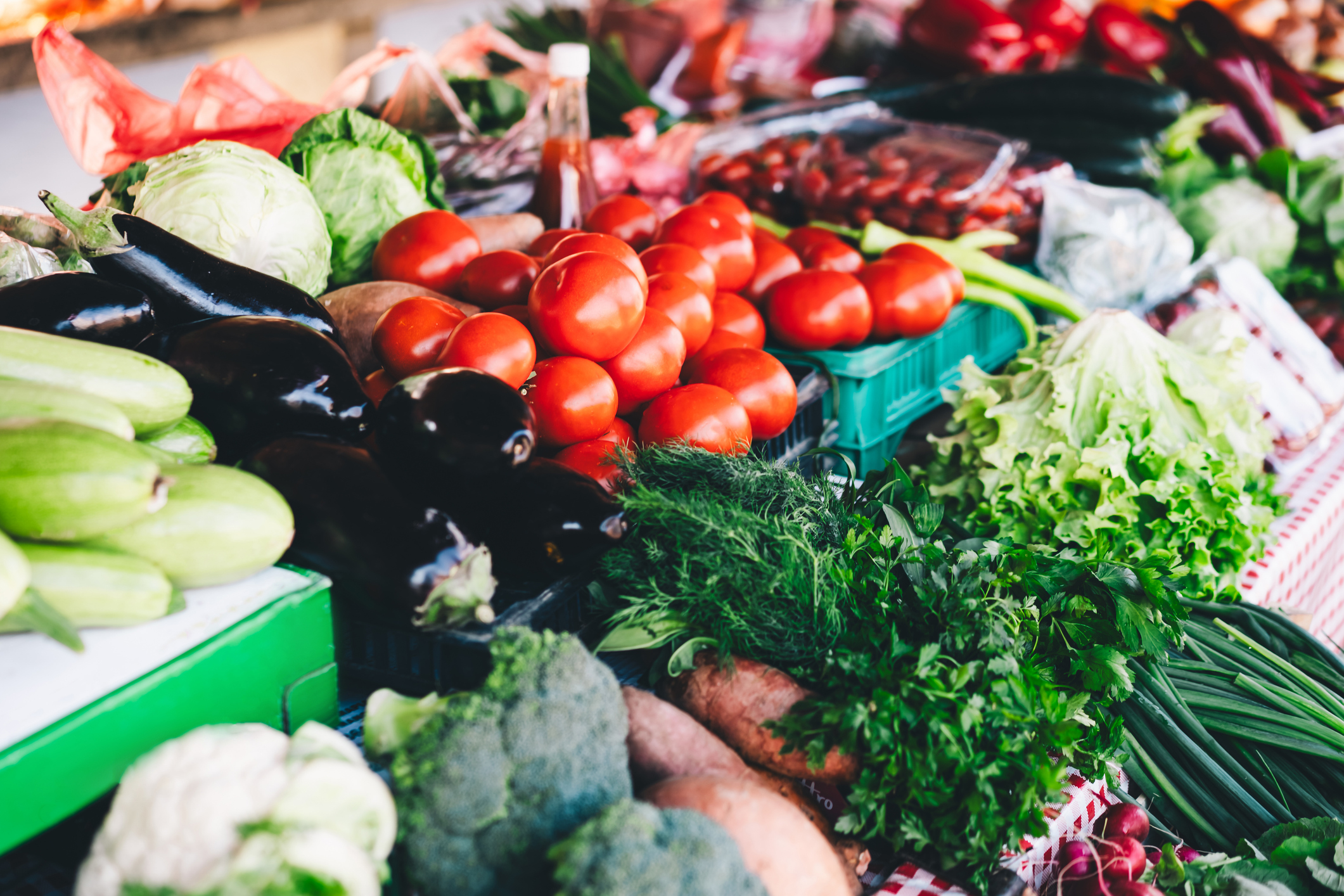
The basket on my hip smells like wet soil, crushed mint, and the sharp, clean scent of morning dew on tomato vines. Every Saturday, I walk the four blocks to the town square, drawn by the striped canvas awnings and the wooden crates piled high with ruby radishes and pale green butterhead lettuce. There is a profound comfort in buying food from someone who has dirt under their fingernails. We tell ourselves stories about this food. We whisper that because it skips the anonymous warehouse and the cross-country semi-truck, it is purer. Cleaner. Inherently safer.
Then the public health bulletin hits.
Cyclospora. A microscopic parasite. A single-celled invader hitching a ride on green leafy things, turning a quiet Tuesday afternoon into days of exhausting illness, fever, and cramps.
Suddenly, the warm romance of the open-air market collides with a cold biological reality. People look at their wicker baskets differently. They ask the terrifying question in hushed tones over social media and grocery store aisles. Is the produce at the farmers market actually safer during an outbreak, or are we just romanticizing our own vulnerability?
To answer that honestly, we have to strip away the rustic aesthetic and look at what is actually happening in the soil, on the hands, and in the water.
The Anatomy of an Invisible Threat
Let us be precise about the enemy. Cyclospora cayetanensis is not bacteria. It is a microscopic parasite, a protozoan that starts its journey in human intestinal tracts, exits via waste, and finds its way into water supplies used for irrigation. Once it contaminates a water source, it clings to the fuzzy, textured surfaces of raspberries, basil, cilantro, and lettuce.
Crucially, Cyclospora is remarkably tough. It can survive in the environment for weeks, waiting for a host.
When a widespread outbreak occurs, our immediate instinct is to blame the industrial food machine. We picture massive, faceless agribusiness conglomerates stretching across thousands of acres, monitored by distant corporate executives. It feels intuitive that a small family farm, where a farmer knows every row by name, would be immune to this kind of systemic failure.
Intuition lies.
Contamination does not care about the size of the acreage. It does not respect the charm of a hand-lettered chalkboard sign. The parasite cares about three things: contaminated irrigation water, unwashed hands, and the absence of a thermal kill step.
Think about a hypothetical farm called Green Valley Acres, run by a dedicated couple named Martha and Tom. Martha wakes up at four in the morning, pulls weeds by hand, and treats her land with profound respect. But Tom uses water from a local shallow well to irrigate the crops during a dry spell. Upstream, miles away from their property line, a municipal sewage line cracks or heavy rainfall overflows a septic system. That water seeps into the aquifer. Tom pumps it onto his heirloom basil.
To Martha and Tom, the basil looks pristine. It smells divine. They pack it into crates, drive it to the market, and sell it with a smile. The parasite is completely invisible, resting peacefully on the leaves.
The Industrial Shield Versus the Direct Line
Why do people assume farmers market produce is safer from outbreaks? Because direct-to-consumer supply chains are short.
Consider the standard supermarket supply chain. A head of romaine lettuce harvested in California is trucked to a massive processing facility. It is washed in chlorinated water tanks, sorted, packaged in plastic bags, loaded onto a refrigerated freightliner, shipped across three state lines, stored in a regional distribution center, and finally delivered to a grocery store shelf. That journey takes days, sometimes over a week. Along the way, it passes through dozens of pairs of hands and multiple temperature zones. If a pathogen is present, that extended supply chain can act as a breeding ground, or worse, cross-contaminate entire batches in a central wash tank.
Now, look at the farmers market. The lettuce was likely picked yesterday morning. It spent zero days in a refrigerated truck. It was touched by maybe two people: the farmer who grew it and the person who handed it to you.
Shorter supply chains mean fewer logistical handoffs. That is a massive advantage. If a pathogen originates at the farm level, a local outbreak can sometimes be contained faster because the trace-back is straightforward. You know who grew it. You can call Martha directly.
Yet, this speed cuts both ways.
The Missing Safety Net
Industrial agriculture, for all its corporate coldness, has layers of mandatory safety infrastructure born out of tragic historical lessons. Large-scale operations are subject to rigorous federal audits, strict water testing schedules, mandatory Good Agricultural Practices certifications, and centralized traceability systems. When a massive processing plant washes produce, they typically use sanitizers like chlorine or peracetic acid designed to reduce pathogen loads.
Most small-scale farmers at a local market operate under a different set of realities. They often lack the capital to test their irrigation water weekly. They rarely run centralized wash-and-sanitize dips that meet commercial packing house standards. They rely on municipal water or well water, often without the continuous chemical monitoring systems used by large-scale packers.
When a Cyclospora outbreak hits, the industrial system has rapid containment protocols, recall mechanisms, and public health tracking that can pinpoint a contaminated lot within hours. A local grower might not have the administrative bandwidth to trace every single bunch of parsley sold to cash-paying customers under a tent on Saturday morning.
So, which system is actually safer during an active outbreak?
The uncomfortable truth is that neither is inherently safer. They are vulnerable to different parts of the same fragile biological chain. The industrial system risks massive, widespread contamination due to centralized processing. The local system risks localized exposure due to decentralized, harder-to-monitor processing conditions.
The Ritual of Protection
Standing at my kitchen counter with a colander, the debate fades into the rhythm of preparation.
Cyclospora has a specific vulnerability, and it is one we control entirely in our own kitchens. The parasite cannot withstand heat, and standard water rinses can physically remove a significant percentage of organisms if done with friction and attention.
We have surrendered our kitchen agency to convenience. We buy pre-washed, triple-washed bags of greens and dump them directly into a bowl, trusting a plastic bag to have done our thinking for us. But during an outbreak, convenience is a liability.
When you buy produce from a farmers market during a parasite alert, you are accepting a pact of shared responsibility. The farmer brings the food to the earth; you bring the vigilance to the sink.
I take the bundle of fresh cilantro from my basket. I do not just run it under a quick splash of cold water. I submerge it. I agitate it. I let the grit settle to the bottom of the bowl, lift the greens out, and repeat the process twice. If I am feeling truly cautious during an active public health advisory, I cook the greens, transforming raw vulnerability into safe nourishment.
We do not need to abandon the farmers market out of fear. The morning sun hitting the canvas awnings, the sound of laughter across wooden tables, the direct connection to the person who grew your food—these are things worth protecting. But we must let go of the comforting myth that small scale equals sterile perfection.
Safety is not a feature of where you buy your food. It is a practice of how you handle it.
The soil is honest. The water is indifferent. The responsibility rests entirely in our hands.