The neon glow of a rideshare sign signifies safety in the modern night. It is the modern equivalent of a porch light. When the bars close in Boston, and the cold air hits your face after hours of music and laughter, that little glowing emblem in a car window means one thing. Home. You slide into the backseat, let out a long breath, and trust that the stranger behind the wheel will deliver you from the chaotic darkness of the city streets to your front door.
We hand over our safety to an app, a corporate logo, and a GPS map. We do it without thinking.
But between 2017 and 2019, that precise mechanism of trust was weaponized. A sedan crept through the night, waiting outside venues like TD Garden, The Harp, and the Lansdowne Pub. Its windows were adorned with authentic Uber stickers. The man at the wheel looked ordinary. He looked like relief.
His name was Alvin Campbell. He knew exactly what he was doing.
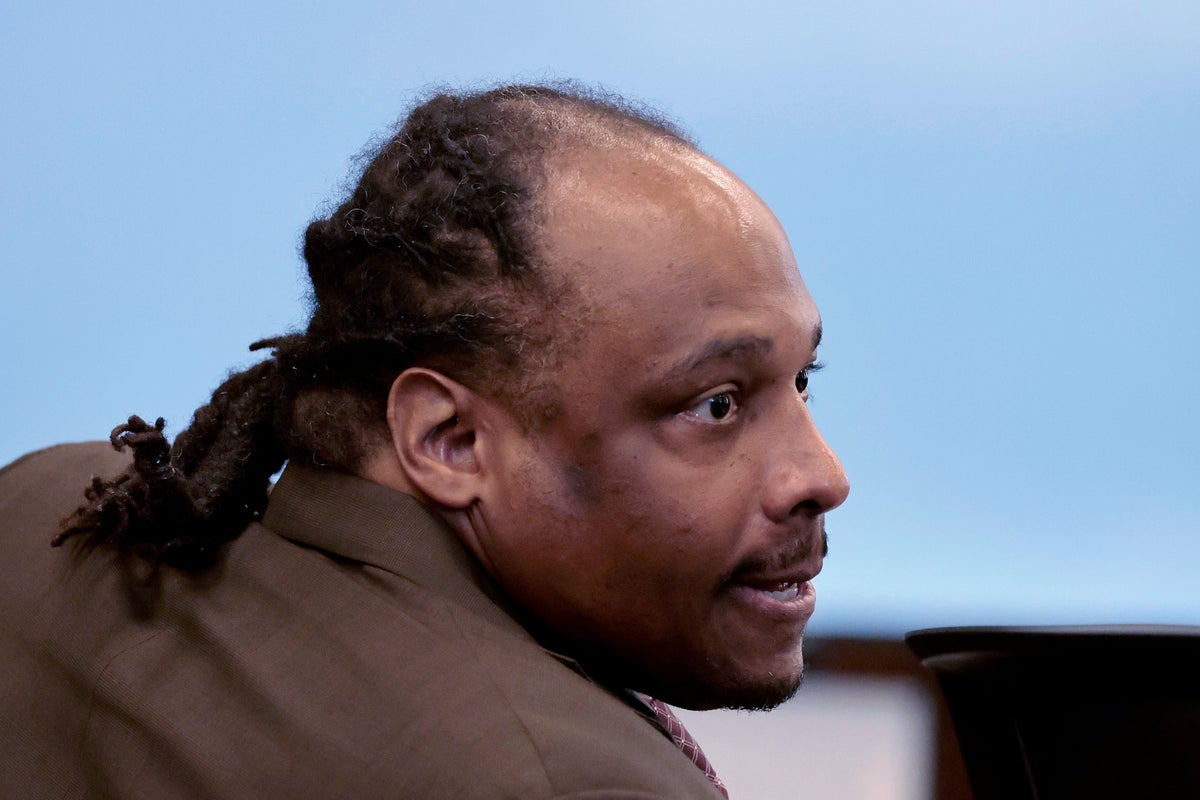
A Boston jury just found the 45-year-old guilty on 21 of 22 counts, including aggravated rape, kidnapping, and photographing an unsuspecting nude person. He faces up to life in prison. But the cold legalese of a courtroom verdict cannot fully capture the calculated psychological horror engineered in the front seat of that car.
The Art of the Trap
Consider how a trap works. It requires a vulnerability and a camouflage.
Campbell, who had previously worked as a legitimate driver for Uber, kept the company's logos prominently displayed on his vehicle long after he stopped working for them. He knew the stickers acted as a psychological passport.
Imagine the scene through the eyes of one of his victims. The night is over. You are exhausted, your judgment slightly clouded by alcohol, your feet aching. You see a car with the familiar glowing decal pull up to the curb. The driver rolls down the window. He might nod, or say he is there to pick you up. In that state of vulnerability, the critical faculties of the brain take a backseat to the overwhelming desire for comfort and safety.
You get in. The doors lock.
The defense argued during the trial that the women’s memories were unreliable due to intoxication. They claimed the encounters were consensual. It is a classic tactic, a deliberate attempt to weaponize the victims' vulnerability against them. But memories do not have to be structurally perfect to retain the visceral texture of terror.
One woman testified about leaving a holiday party in downtown Boston. She climbed into what she genuinely believed was her ordered ride. She did not wake up at her apartment. She woke up the next morning in a strange bed in Rhode Island, lying next to a man she did not know, with absolutely no concept of how she had crossed state lines.
The terror of that realization is psychological vertigo. It is the sudden, violent understanding that your autonomy was stolen while your eyes were closed.
The Digital Trophy Room
What separates a crime of opportunity from a campaign of predation is documentation.
When investigators finally seized Campbell's phone, they did not just find standard data. They found a digital trophy room. Prosecutors revealed that Campbell used his phone to record his crimes, capturing images and videos of women who were far too intoxicated to consent, let alone resist.
The phone became a mirror of his methodology. It proved that this was not a series of misunderstandings or hazy, alcohol-fueled encounters. It was a hunting strategy. He targeted women who were "far gone," knowing their capacity to fight back or even recall the assault was compromised. He relied on their intoxication to protect him, assuming the shame and confusion of the morning after would keep them silent.
He was wrong.
It takes immense, agonizing courage to sit on a witness stand in a crowded courtroom and recount the worst night of your life. It requires stepping back into that dark backseat while defense attorneys dissect your character and your sobriety. The women in this case did not remain silent. They testified. They looked straight ahead, wept, shook, and spoke their truth until the jury had no choice but to believe them.
The jury deadlocked on only a single rape count. On the other 21 charges, the consensus was absolute. Guilty.
The Shadow of the Sister
There is a cruel irony running beneath this case. It is an invisible weight that elevates the story from a local tragedy to a national conversation about legacy, trauma, and the complex nature of justice.
Alvin Campbell is the brother of Andrea Campbell.
Andrea Campbell is the Attorney General of Massachusetts. She is the chief law enforcement officer of the Commonwealth, the top cop, the ultimate defender of the state's laws. She is also the first woman of color to hold statewide office in Massachusetts, a historic figure who built her career on the principles of equity and accountability.
To understand the profound tension of this dynamic, one must look at the human reality of a fractured family. The criminal justice system is not an abstract concept to the Attorney General. It is a landscape she has traversed her entire life. She has been open about her family's history, refusing to hide the pain of her past.
"One thing I do frequently is share my story because I think there are so many who carry their story with a sense of shame and don't want to talk about it, including the criminal aspects of my family," she previously stated. "But there is no shame in one sharing their story. There is power in it."
The contrast is staggering. One sibling ascends to the highest legal office in the state to protect victims. The other uses the guise of a protective service to create them.
This is the reality of human behavior. It defies clean narratives. Bloodlines do not dictate character, and accountability does not stop at the doorstep of the powerful. The Suffolk County District Attorney’s office prosecuted the case with the same clinical severity they would apply to anyone else. Justice, in this instance, was blind to the political royalty of the perpetrator’s last name.
The Cost of Restored Faith
We live in a culture built on the premise of micro-trust. Every day, we trust that the stranger preparing our food isn't poisoning us. We trust that the oncoming traffic will stay on its side of the yellow line. We trust that the stranger with the app on his phone is just trying to earn a living by driving us home.
When someone fakes that identity, they do not just assault an individual. They fracture the collective peace of mind. They turn every passing car into an object of suspicion.
The verdict on June 11, 2026, brings a necessary, heavy closure. Alvin Campbell will be sentenced, likely facing a reality where he will never be permitted to walk the streets of Boston at closing time again. The stickers will be scraped from his windows. The digital files will remain locked in evidence lockers.
But for the women who survived those rides, the victory is quiet. It is measured in the slow, agonizing process of reclaiming their sense of safety in a world that once betrayed them through a glowing green logo.
The next time you order a ride, you will check the license plate. You will ask the driver who they are looking for. You will look at the face behind the wheel and compare it to the digital photograph on your screen. You will do it because you remember that sometimes, the monster does not hide in the bushes.
Sometimes, he pulls up to the curb, unlocks the door, and invites you in.