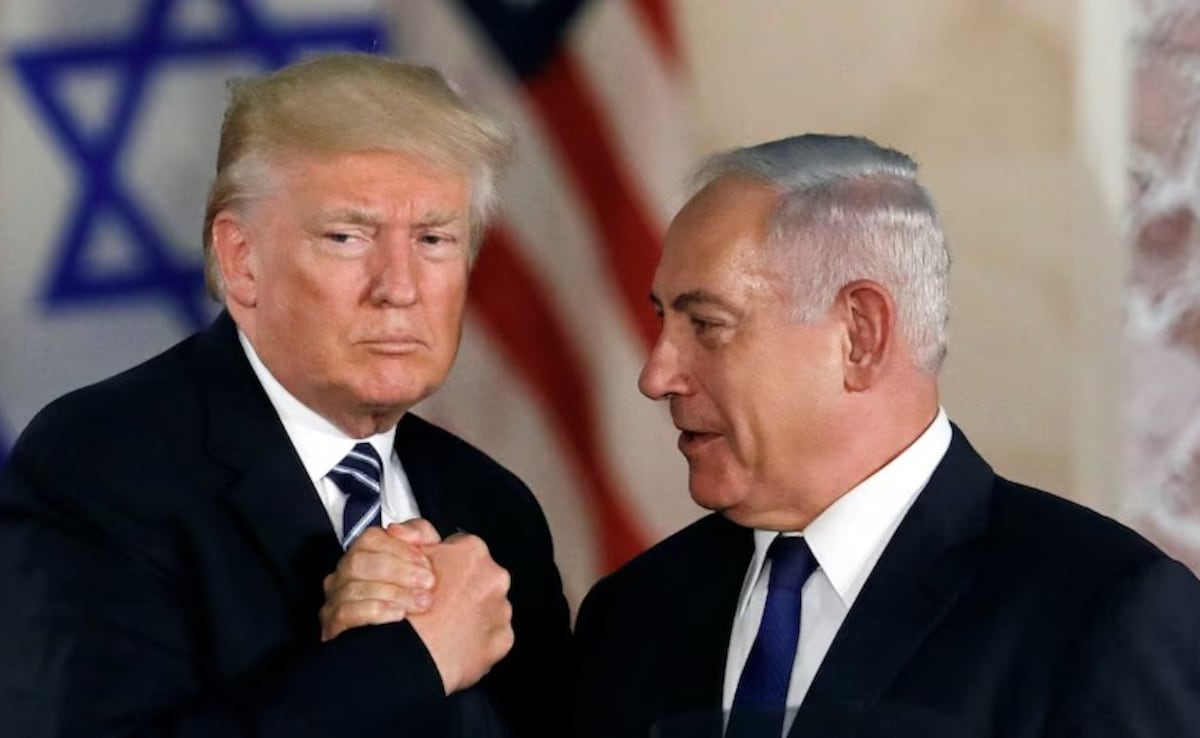
The overnight phone call between US President Donald Trump and Israeli Prime Minister Benjamin Netanyahu, described by intelligence sources as lengthy and dramatic, signals that the April 8 ceasefire with Iran has reached its expiration date. While official channels remain silent, the reality is clear. Washington and Jerusalem are on the precipice of resuming a full-scale military assault on Tehran, driven by failing back-channel negotiations and a tightening economic chokehold on the Strait of Hormuz. Trump’s recent public declaration that the clock is ticking for Iran underscores a deeper strategic deadlock. The United States demands nothing less than total capitulation, while Iran gambles on its ability to endure an economic siege.
Behind the theatrical rhetoric of social media warnings lies a complex friction between American political anxieties and Israeli security imperatives. This is not a seamless alliance marching in lockstep. It is a transactional partnership fracturing under the weight of different geopolitical goals.
The Friction Behind the Line
For over thirty minutes on Sunday, and again in a secondary midnight session, the two leaders attempted to reconcile a fundamental strategic divergence. Trump is facing severe domestic anger over rising fuel prices and global shipping disruptions caused by the closure of the Strait of Hormuz. He wants a swift, theatrical victory. His objective is to force Tehran into a maximalist peace deal that includes the wholesale transfer of its 400-kilogram enriched uranium stockpile to US custody.
Netanyahu sees the situation through an existential lens. Israeli defense officials are not interested in a cosmetic diplomatic victory that leaves the clerical regime intact. Jerusalem is pushing for a definitive operational outcome that permanently dismantles Iran’s remaining nuclear infrastructure. This division explains why Trump abruptly postponed a massive strike originally scheduled for Tuesday, citing late interventions by Gulf Arab leaders from Saudi Arabia, Qatar, and the United Arab Emirates.
The Gulf states are terrified of the collateral consequences. Their fears were validated on Sunday when a rogue drone strike targeted an electricity generator at the Barakah Nuclear Power Plant in the United Arab Emirates. The incident caused a fire and forced the facility to rely on emergency diesel generators. While no group claimed immediate responsibility, the message was unmistakable. Iran’s proxy architecture can strike the region’s critical energy infrastructure at will.
The Failed Islamabad Diplomacy
The current escalation is a direct result of the total collapse of the Pakistani-mediated peace talks in Islamabad. Following the initial 40-day winter war that began on February 28, the international community hoped a truce would hold. It did not.
The diplomatic impasse stems from two irreconcilable positions:
- The American Demand: Washington expects Iran to accept long-term restrictions on its nuclear sector and hand over its uranium cache without receiving tangible concessions, such as immediate sanctions relief or the unfreezing of national assets.
- The Iranian Counter-Proposal: Tehran demands a complete end to hostilities across all fronts, explicit recognition of its sovereignty over the Strait of Hormuz, the release of billions in frozen assets, and financial reparations for wartime damages before substantial negotiations can begin.
Because neither side will yield, the conflict has shifted from active bombardment to a strangulation campaign. The United States has maintained a strict naval counter-blockade of Iranian ports since mid-April to cut off Tehran’s primary source of survival: oil shipments to China. Iran responded by shutting down the Strait of Hormuz completely. They now require all maritime traffic to seek direct authorization from the Islamic Revolutionary Guard Corps.
The Stranglehold on Global Trade
The economic consequences of this maritime standoff are reverberating far beyond the Middle East. Shipping insurance premiums have surged to prohibitive levels. Tankers are forced to bypass the region entirely, adding weeks to international transit times.
[Global Shipping Route Congestion and Alternative Maritime Paths]
Trump openly admitted his desire to avoid a prolonged war, stating he would prefer to see a few people killed as opposed to a lot. Yet his actions indicate an intent to duplicate the economic pressure tactics previously used against Caracas, aiming to collapse the state from within while keeping the underlying administrative framework functional.
Iran is banking on Western economic fatigue. The regime in Tehran believes that as global energy markets constrict and inflation spikes in the West, the domestic political pressure on the White House will become unbearable before the blockade breaks Iran's internal resolve.
Israel views this waiting game as an unacceptable hazard. The Israel Defense Forces have completed extensive operational preparations for a unilateral campaign if Washington hesitates. The ultimate decision rests with the White House, but Jerusalem has made it clear that if the order is given to resume hostilities, American forces will not be acting alone. The theater of operations is poised to expand significantly, turning a localized enforcement action into a broad regional conflict.