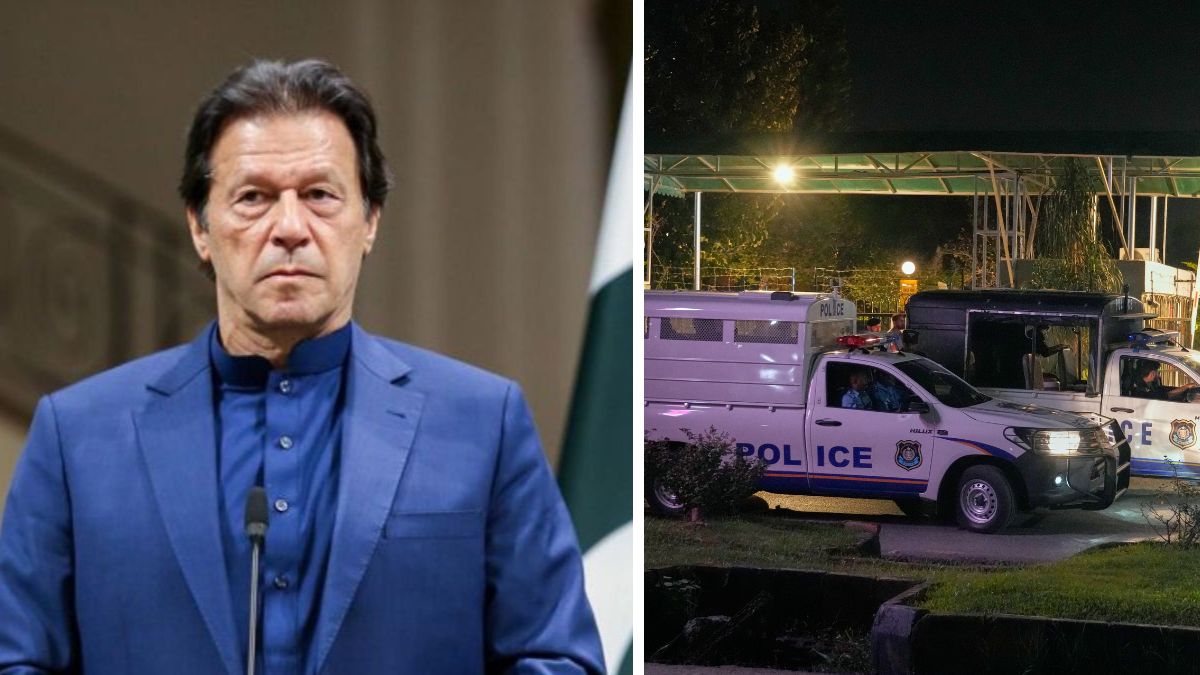
Midnight sirens echo outside Adiala Jail. Security cordons lock down Islamabad. Imran Khan gets pulled out of his cell and rushed to a hospital under heavy armed escort.
Hours later? He is back behind bars.
If you follow Pakistani politics, you know this high-stakes theater happens on repeat. The Supreme Court orders medical evaluations, government ministers scramble, party workers throw flower petals in the streets, and state officials declare the 73-year-old former prime minister completely healthy. But beneath the superficial media cycles of hospital transfers and quick returns, a much deeper battle over accountability, optics, and endurance is playing out.
Let's break down what actually happened during this latest midnight medical saga, why the location changed at the eleventh hour, and what it signals for a country permanently on edge.
The Midnight Medical Run That Sparked Chaos
The sequence started when Pakistan's Supreme Court directed authorities to move the jailed Pakistan Tehreek-e-Insaf (PTI) founder to Shifa International Hospital for specialized checkups. For months, legal teams and family members have fought tooth and nail over his medical access. Concerns ranged from severe anxiety to an eye condition—specifically right central retinal vein occlusion—that triggered fierce debates over his vision and overall physical stamina in isolation.
When the court mandate dropped, anticipation surged. Hundreds of police officers flooded the capital's streets. PTI supporters gathered near the private medical facility, tossing red petals onto passing vehicles and chanting slogans for the former cricket star.
Yet, the destination shifted. Information Minister Attaullah Tarar later clarified that instead of Shifa International, the examination took place at the government-run Pakistan Institute of Medical Sciences (PIMS). Officials blamed the pivot on security risks and crowds whipped up by party loyalists.
Doctors from multiple disciplines—including a cardiologist, an ophthalmologist, and a general physician—conducted a thorough examination. Khan's sister, Uzma Khan, was present throughout the process. By five in the morning, the assessment wrapped up. The verdict from the medical panel was straightforward: he was declared medically fit, safe to remain in custody, and promptly shipped back to Rawalpindi.
What Both Sides Get Wrong About The Health Battles
If you listen to government spokespersons, Khan is receiving premier healthcare, enjoying regular checkups, and facing no extraordinary threats to his well-being inside Adiala Jail. Prison medical officers routinely record his vitals, and state reports emphasize that his chronic issues are actively managed.
If you listen to PTI leadership, you hear an entirely different reality. They argue that intermittent midnight checkups are nothing more than a cosmetic compliance with court orders, masking what they describe as psychological pressure, isolation, and denied access to personal physicians.
The truth sits in the messy middle. At 73 years old, any high-profile political prisoner held in long-term confinement will experience health flare-ups, stress-induced spikes in blood pressure, and genuine physical strain. At the same time, the state treats every medical movement as a massive security operation because Khan retains a potent, volatile mass appeal that terrifies the establishment. Every hospital visit turns into an instant litmus test of state control versus street power.
Why This Routine Will Define the Coming Months
Legal battles over custody conditions aren't ending anytime soon. With upcoming court dates on the horizon and opposition parties planning large-scale demonstrations, the health status of Pakistan's most polarizing political figure remains a permanent political weapon.
The government wants to project normalcy and absolute legal compliance. They want the public to see a judicial system that functions, medical boards that clear prisoners, and a jail administration that maintains order. Meanwhile, Khan's support base uses every health bulletin to galvanize momentum, framing each confinement hurdle as proof of systemic persecution.
Ultimately, a five-hour evaluation at a state hospital changes none of the underlying pressures facing Pakistan's political landscape. The legal cases grind forward, the institutional deadlock persists, and the midnight runs between prison cells and hospital wards will likely happen all over again.