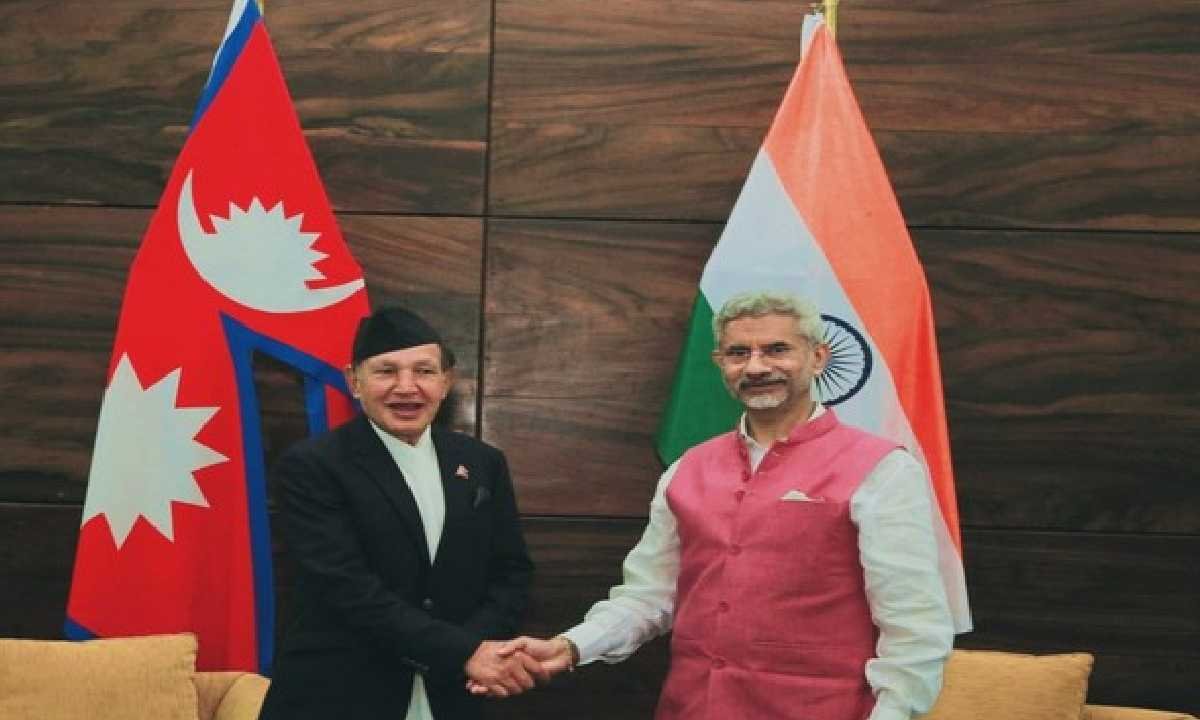
Delhi and Kathmandu are playing a waiting game. The Ministry of External Affairs (MEA) just confirmed that the Indian Foreign Secretary’s visit to Nepal will happen when it's "mutually convenient." That’s diplomatic speak for "we haven't cleared the calendar yet." While some might see this as a routine scheduling hiccup, it's actually a window into the complex, often prickly nature of Himalayan politics in 2026.
If you’re looking for a simple travel update, you're missing the point. This visit isn't about a handshake and a photo op. It’s about managing a relationship that has seen more ups and downs than a trekking trail in the Annapurnas. India wants stability. Nepal wants autonomy. Somewhere in the middle, billions of dollars in hydropower, trade, and security interests are hanging in the balance.
The Reality of Mutually Convenient Diplomacy
In the world of South Asian geopolitics, "convenience" is rarely about who has a free Tuesday. It’s about political timing. India’s Foreign Secretary, Vikram Misri, is navigating a packed neighborhood. We’ve seen significant shifts in Bangladesh and ongoing tensions elsewhere. Nepal, meanwhile, is dealing with its own internal coalition dynamics that make scheduling high-level talks a delicate dance.
When the MEA spokesperson, Randhir Jaiswal, noted that the visit would be scheduled via diplomatic channels, he wasn't just being vague. He was signaling that the groundwork isn't fully laid. You don't send a top diplomat into a room unless you know exactly what you’re going to walk out with. Right now, both sides are likely haggling over the agenda behind closed doors.
History shows us that India-Nepal ties don't just "stay the same." They either move forward through active engagement or slide back into suspicion. By delaying the visit, both capitals are essentially saying they aren't ready to settle the big questions just yet.
Power Projects and the Elephant in the Room
Let's talk about what's actually on the table. It’s water. Specifically, hydropower. Nepal has the potential to be the battery of South Asia, and India is the only buyer that truly matters. We've seen massive agreements like the Pancheshwar Multipurpose Project sit on the shelf for decades.
- Hydropower Exports: Nepal wants to export 10,000 MW of power to India over the next decade.
- Transmission Lines: You can’t sell power without wires. The progress on cross-border lines is a major sticking point.
- The China Factor: Kathmandu constantly balances its ties with Beijing. India watches every Chinese-funded project in Nepal with a magnifying glass.
If you think this visit is just a courtesy call, you’re wrong. It’s a negotiation over who controls the flow of energy in the region. India has been firm. They won't buy power from projects that have Chinese investment or involvement. That puts Nepal in a tough spot. They need the money, but they also want to keep their northern neighbor happy. This "convenience" delay is likely about finding a middle ground on these rigid energy policies.
Boundary Disputes and National Pride
You can't discuss India-Nepal ties without mentioning the border. The Kalapani, Lipulekh, and Limpiyadhura regions remain sensitive spots. Every time a map is published or a road is built, social media in Kathmandu erupts.
India prefers to handle these issues through quiet, technical-level talks. Nepal’s domestic politics often require leaders to take a louder, more nationalistic stance. This creates a disconnect. A Foreign Secretary visit is exactly where these thorny issues get poked. If the timing isn't right—if there's an election coming up or a government is feeling shaky—bringing up the border is a recipe for disaster.
I’ve seen this play out before. When domestic pressure in Nepal rises, the "convenience" of a visit from Delhi suddenly vanishes. It's a survival tactic for Nepali politicians. They don't want to be seen as "giving in" to the big brother down south.
Connectivity Beyond the Headlines
While the politicians argue, the ground reality is changing. Connectivity isn't just a buzzword here; it’s about survival for landlocked Nepal. We are talking about integrated check posts (ICPs) and railway links.
The Raxaul-Kathmandu railway project is a massive undertaking. It’s meant to link the heart of Nepal directly to the Indian rail network. These projects are the "glue" of the relationship. When the Foreign Secretary finally does land in Kathmandu, he’ll be checking on these construction sites. He’ll be asking why things are moving slowly.
But here’s a tip for anyone watching this space: don't look at the press releases. Look at the trucks. The volume of trade at the Birgunj-Raxaul border tells you more about the health of India-Nepal ties than any official statement. Right now, trade is moving, but the friction costs are high. Reducing that friction is the real job of the diplomats.
Why You Should Care About the Delay
A delayed visit isn't a crisis, but it is a symptom. It tells us that the "Special Relationship" is currently being treated as "Standard Relationship." The warmth that followed the 2024 high-level exchanges has cooled slightly.
If you are an investor or someone interested in regional stability, this pause is a signal to watch the rhetoric coming out of Kathmandu. Is the government there leaning closer to a "neutral" stance, or are they ready to double down on the partnership with India?
The MEA’s statement was careful not to sound annoyed. But in the world of diplomacy, silence and "mutual convenience" are often ways of expressing frustration without causing a scene. Both sides need this meeting to happen, but neither wants to appear desperate.
What Happens Next
Don't expect an announcement tomorrow. Diplomatic calendars are messy. However, there are specific things you can track to see if the relationship is warming up or staying in the fridge.
- Monitor official statements from the Nepali Foreign Ministry. If they start echoing the "mutual convenience" line, they’re in sync with Delhi. If they start complaining about delays, expect trouble.
- Watch the energy sector. Any new permits issued for hydropower projects will tell you which way the wind is blowing.
- Keep an eye on the Agnipath scheme discussions. This remains a huge point of contention for Gorkha recruitment, and it's a conversation that can't be avoided forever.
The next time you see a headline about "scheduling visits," remember it's a chess move. The board is set, the pieces are moving, and "convenience" is just the name of the game. Get ready for a busy diplomatic season once the calendars finally align.