The verdict is in, and the message from New Delhi is loud. A special court recently handed down three life sentences to Aasiya Andrabi, the founder of the banned group Dukhtaran-e-Millat (Daughters of the Nation). This isn't just about one woman or her specific actions over the last few decades. It’s a massive signal. It tells us exactly how the Indian state plans to handle Kashmiri separatism from here on out.
If you’ve followed the region’s politics, you know Andrabi was a polarizing figure. For some, she was the "Iron Lady" of the resistance. For others, she was a dangerous radical who specialized in inciting youth and pushing a hardline Islamist agenda. Now, she's slated to spend the rest of her life behind bars.
Why the Aasiya Andrabi sentence matters right now
This legal move doesn't happen in a vacuum. It follows years of shifting policy in Jammu and Kashmir. Since the 2019 revocation of Article 370, the central government has moved away from "managing" dissent. They're now focused on dismantling the entire infrastructure of the separatist movement.
Andrabi’s conviction on charges of "waging war against India" and conspiracy highlights a zero-tolerance approach. It’s a departure from the older, softer "healing touch" policies once championed by regional parties. India isn't looking for a middle ground anymore. They're looking for total legal and political dominance over the narrative in the valley.
The shift from detention to heavy convictions
For years, the Indian government relied on the Public Safety Act (PSA). It let them hold leaders like Andrabi for months without a trial. It was a holding pattern. It kept people off the streets but didn't provide a permanent solution.
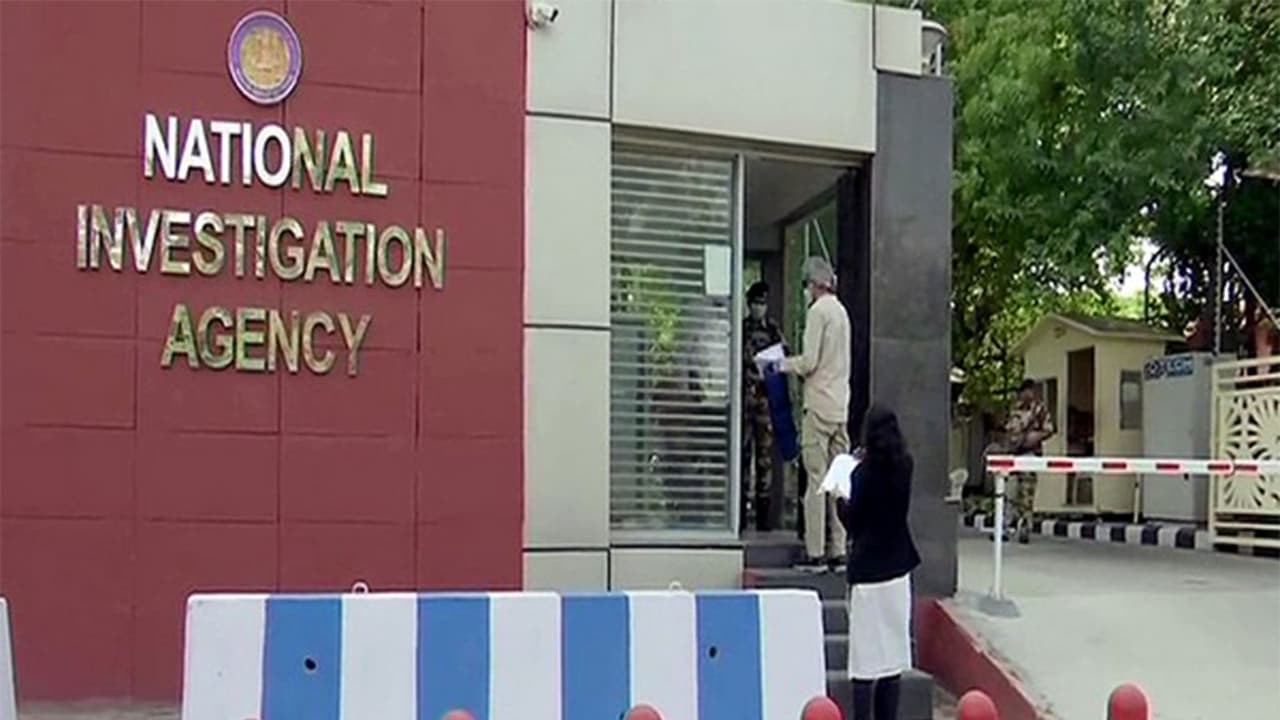
Things changed when the National Investigation Agency (NIA) stepped in. The NIA doesn't just detain; it builds massive case files focused on terror funding and criminal conspiracy. Andrabi and her associates, Nahida Nasreen and Sofi Fehmeeda, were caught in this net. They weren't just accused of saying things the government disliked. They were charged with actively working to secede from India using violent means and foreign support.
Aasiya Andrabi and the role of Dukhtaran-e-Millat
You can’t understand this case without looking at her organization. Dukhtaran-e-Millat wasn't a typical political party. It was a women-led group that enforced a strict moral code and pushed for Kashmir’s merger with Pakistan.
- Moral Policing: They gained notoriety in the 90s for spraying paint on women who didn't wear veils.
- Ideological Hardlining: While other groups focused on political autonomy, Andrabi’s group was explicitly religious and pro-Pakistan.
- Protest Mobilization: She had an uncanny ability to rally thousands of women for street protests, creating a logistical nightmare for security forces.
By giving her three life terms, the state is effectively decapitating the ideological leadership of the female-led wing of the separatist movement. It’s a warning to anyone thinking of taking her place.
The broader pattern of legal crackdowns
Andrabi isn't the only one. Look at the cases against Yasin Malik or the late Syed Ali Shah Geelani’s family. There’s a clear strategy at play. The government is using the Unlawful Activities (Prevention) Act (UAPA) to ensure that the primary faces of the 90s insurgency never walk free again.
This isn't just about law; it's about optics. By securing these convictions through the court system, India is trying to legitimize its crackdown to the international community. They want to show that these aren't "political prisoners" but convicted criminals who followed a specific legal process.
Critics argue this pushes dissent underground. They worry that by closing all doors to legal political protest, the state might inadvertently fuel a more violent, localized militancy. Supporters, however, claim that the lack of major street protests since 2019 proves that the hardline approach is working.
What this means for the future of Kashmir politics
The sentencing of Aasiya Andrabi basically ends an era. The old guard of the Hurriyat Conference is either in jail, deceased, or sidelined. The space they occupied is currently a vacuum.
New Delhi is trying to fill that space with a new class of "grassroots" leaders—people who are willing to work within the Indian constitutional framework. But hearts and minds aren't won in a courtroom. While the state has won the legal battle against Andrabi, the ideological struggle in the valley remains complex and deeply rooted.
If you’re watching this space, don't expect a sudden thaw in relations. The three life terms aren't a fluke. They’re the blueprint. The Indian government has decided that the cost of leniency is too high.
Watch the upcoming local elections and see who steps up. The real test isn't whether the state can convict its enemies, but whether it can convince the next generation that there’s a better path than the one Andrabi preached.
Keep an eye on the NIA's ongoing investigations into other second-tier leaders. The crackdown is expanding, and the legal precedents set in Andrabi's case will likely be used as a template for dozens of other pending trials. This is the new normal for Kashmir's political elite.