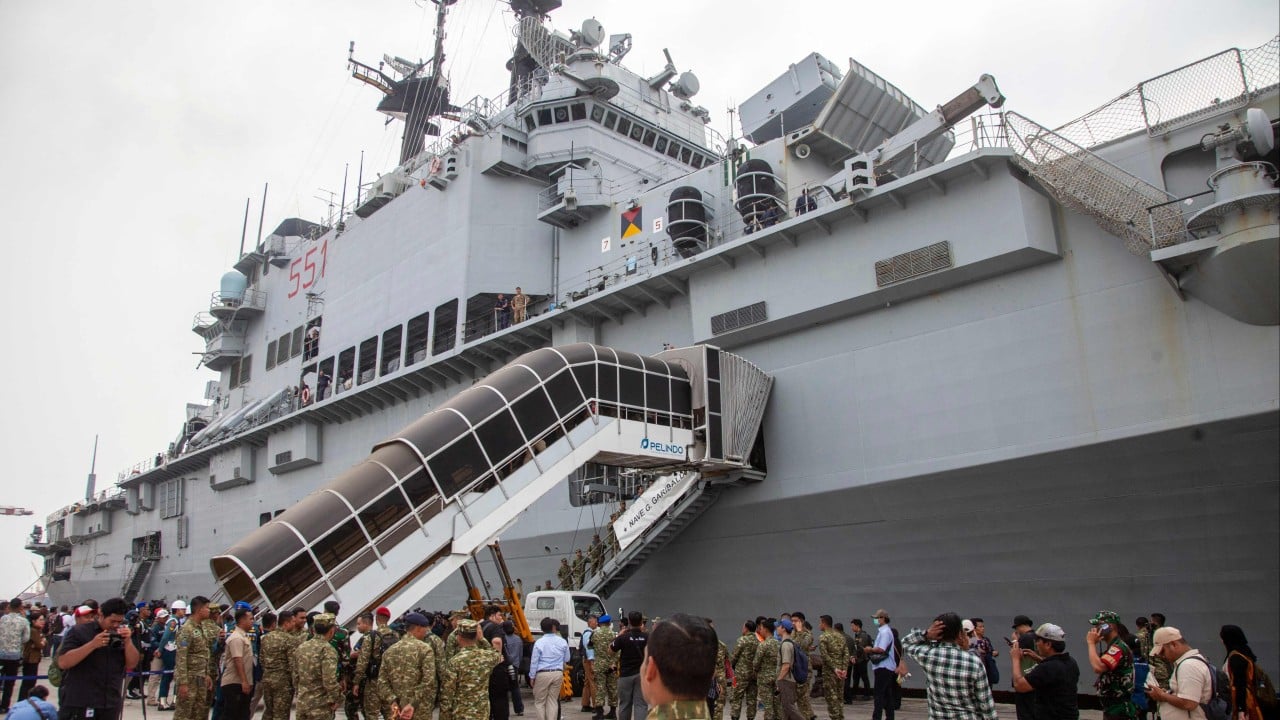
Geopolitical shifts in Southeast Asia don't usually happen with a single splash in a shipyard, but Jakarta just redrew the maritime map. For decades, the Indonesian military relied on a defensive posture, patrol boats, and regional deterrence. Now, the landscape shifts dramatically. Indonesia is integrating its first aircraft carrier capabilities into its naval fleet, signaling a massive evolution in how the archipelago nation plans to secure its vast maritime borders.
If you've been watching South China Sea tensions rise, you know this move isn't happening in a vacuum. It's a calculated response to shifting regional power dynamics. Let's look at what this actually means for regional defense and why the rest of the world is paying attention.
The Strategic Reality of an Archipelagic Power
Indonesia is the world's largest archipelagic state. Managing over seventeen thousand islands requires a naval strategy that goes far beyond coastal patrols. For years, defense analysts pointed out a glaring weakness in Indonesia's military posture: projection. Having ships is one thing. Having air cover miles away from mainland airbases is an entirely different challenge.
When you look at the geography, the strategic imperative becomes obvious. The Indonesian Navy, known locally as Tentara Nasional Indonesia Angkatan Laut, faces immense pressure to protect vital sea lanes like the Sunda and Lombok Straits. These are critical global trade choke points. Without mobile air superiority at sea, any fleet operating far from land is vulnerable.
That vulnerability is closing fast. By adapting multi-role support vessels and expanding flight deck capabilities for rotary-wing and vertical takeoff aircraft, Indonesia is acquiring power projection that changes the naval calculus in Southeast Asia. This isn't just about showing off steel at a commissioning ceremony. It's about operational reach.
Why This Changes the Regional Balance
Naval power in Asia is shifting. Neighboring nations have steadily upgraded their blue-water capabilities, putting pressure on Jakarta to keep pace. When Indonesia bolsters its sea defense with organic aviation assets, it changes how regional neighbors view joint patrols and territorial disputes.
Think about air defense umbrellas. Traditional land-based fighters have limited range over the open ocean. Once a strike package flies past a certain radius, it has to turn back. An aircraft-carrying vessel removes that leash. It provides persistent surveillance, anti-submarine warfare coordination, and rapid-response air support wherever the fleet sails.
Critics often argue that maintaining an aircraft carrier platform drains resources from smaller patrol craft. That misses the point entirely. Modern naval warfare requires layered defense. A heavy platform acts as a command hub, an operational anchor that multiplies the effectiveness of every frigate, corvette, and submarine in the task force.
Overcoming the Logistics Hurdle
Operating aviation-capable warships is notoriously difficult. Ask any defense logistics officer and they will tell you that ships are the easy part. Training deck crews, maintaining advanced radar systems, managing aviation fuel safety, and sustaining pilot proficiency at sea take years of grueling discipline.
Indonesia isn't starting from scratch, but the learning curve is steep. The Indonesian Navy has spent years conducting joint exercises with foreign partners, slowly building the institutional knowledge required for carrier-air integration. Maintenance infrastructure is expanding in naval shipyards to handle the unique demands of sustained maritime aviation operations.
You also have to look at the economic commitment. Defense budgets in Jakarta have faced tight constraints historically, weighed down by public infrastructure needs and domestic social programs. Committing funds to a major capital ship means defense planners view maritime security as an existential priority. Protecting fishing grounds, securing natural resource extraction zones in the Exclusive Economic Zone, and deterring unauthorized foreign incursions directly protect the national economy.
What Happens Next in the Indo Pacific
The ripple effects of this commissioning will echo through regional defense dialogues for years. Expect neighboring navies to adjust their own deployment patterns and intelligence-gathering routines. Joint military exercises involving Indonesian carrier groups will likely become the gold standard for bilateral training in the region.
Jakarta is sending a clear message. The era of passive maritime defense in Southeast Asia is over. By securing its own backyard with advanced power-projection tools, Indonesia is stepping into a leadership role that matches its geographic and economic weight. Keep your eyes on the Java Sea. The rules of naval deterrence in the Indo Pacific are being rewritten right now.