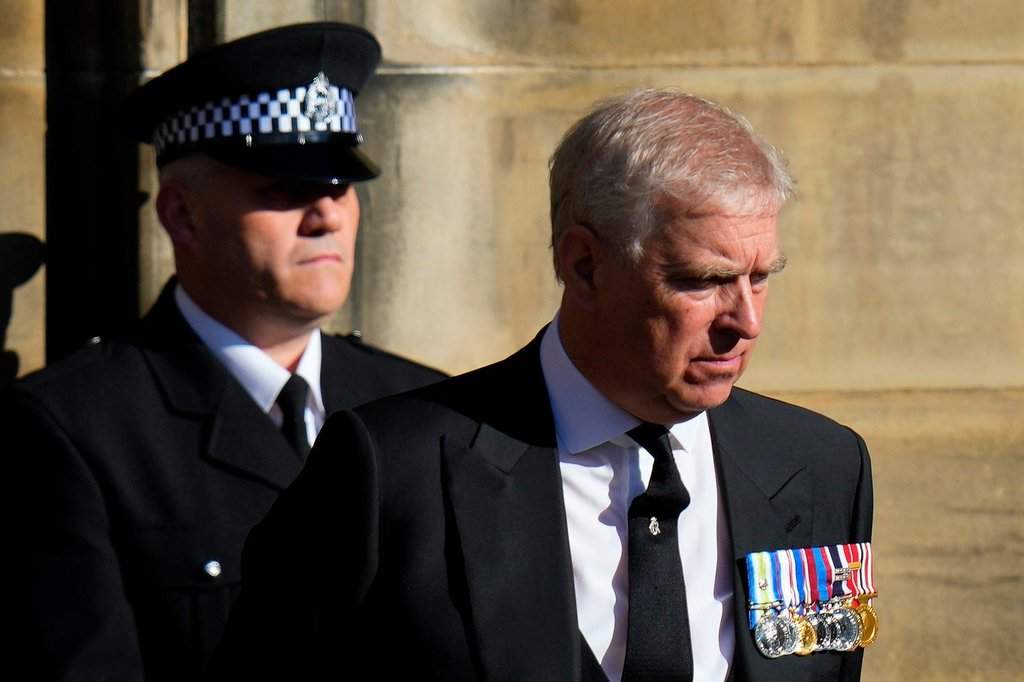
Andrew Mountbatten-Windsor has officially launched a high-stakes legal challenge against Thames Valley Police and the Old Bailey, targeting the legality of the search warrants that enabled his unprecedented arrest on suspicion of misconduct in public office.
Months after officers descended on his former residence following the cascading fallout from unsealed American court documents relating to Jeffrey Epstein, the man once known as Britain's second prince is fighting back through the civil courts. The core of his legal battle centers on whether the foundational search warrants granted by the Central Criminal Court were lawful, an argument that threatens to expose procedural vulnerabilities within British law enforcement agencies when dealing with high-profile figures.
The detention earlier this year shattered centuries of constitutional precedent. It marked the first time in nearly four hundred years that a senior British royal had been physically placed under arrest. Yet, the immediate aftermath was defined less by the constitutional shockwave and more by the cold distance maintained by Buckingham Palace. King Charles III made it clear through official channels that public funds would not subsidize his younger brother's defense. Stripped of his royal titles, military patronages, and his dukedom, Mountbatten-Windsor finds himself navigating the English legal system as a private citizen with private means—or the lack thereof.
Behind closed doors, the legal strategy is narrow but aggressive. Rather than fighting the substantive allegations head-on in a criminal trial—he has not been formally charged with any crime—his legal team is attempting to dismantle the investigative machinery that brought him into custody. By challenging the validity of the warrants issued by the Old Bailey, his defense aims to render any seized material legally inadmissible. If a judge rules that the police overstepped their statutory boundaries during the raids, the crown prosecution's momentum could stall permanently.
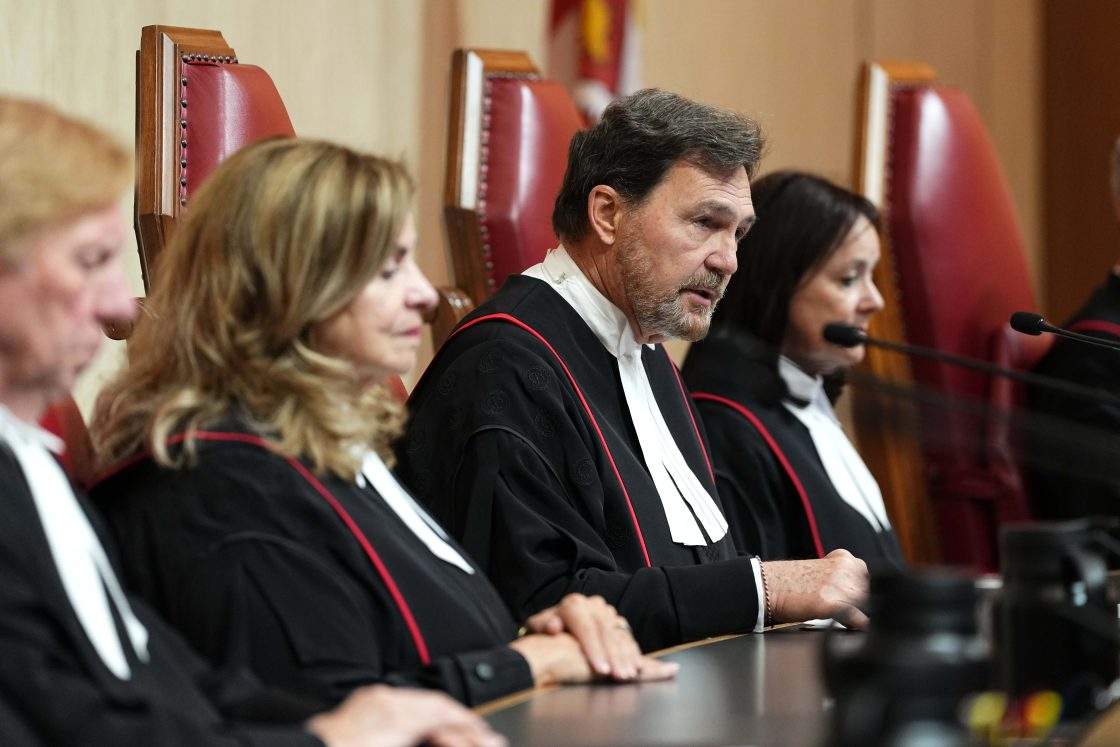
Thames Valley Police have dug in their heels. Legal representatives for the force have pushed back fiercely, even applying for private court hearings to keep sensitive details of the ongoing claim sealed from public view. The tension highlights a broader anxiety within the British justice system. When state authorities investigate individuals connected to historic power structures, every single signature on a warrant, every clause in an affidavit, and every protocol followed by detectives becomes subject to microscopic judicial review.
The financial strain is equally telling. The fallout from the arrest coincided with forced relocations, massive property repair disputes, and the sudden evaporation of institutional financial insulation. For decades, members of the inner royal circle operated under a distinct set of administrative expectations. Accountability was managed internally, quietly settled behind palace walls without the intrusion of magistrates or custody sergeants.
Now, the arena has shifted from hereditary privilege to the Royal Courts of Justice. As lawyers argue over the boundaries of investigative authority, the proceedings serve as a brutal reminder that the shield of institutional protection has completely dissolved. Whether this legal maneuver succeeds in invalidating the police raids or merely delays an inevitable reckoning, the battle lines are drawn, and the state's handling of the case remains under uncompromising scrutiny.