Municipal shifts in British Columbia do not merely echo in provincial elections—when the two ballots collide, they can blow up an entire government. Anyone who has watched British Columbia politics over the past three decades knows that city halls and the legislature in Victoria operate on different rhythms, driven by different grievances and voter coalitions. Yet the 2026 electoral cycle turned that conventional wisdom upside down when local voting on October 17 collided with a snap provincial general election on October 24.
What happens at the municipal level shapes provincial fortunes long before a writ is dropped. Local councils approve housing, manage policing budgets, wrestle with street disorder, and feel the daily friction of growth before provincial ministers ever draft a bill. When voters sour on how their streets and neighborhoods are run, that frustration rarely stays neatly boxed inside municipal boundaries. Building on this idea, you can find more in: Why Calling Trump Mr 2.4 Per Cent Misses How Coalitions Actually Die.
Why City Hall Moods Travel to Victoria
Voters rarely separate municipal headaches from provincial policy in their own minds. If property taxes climb, encampments remain visible, or housing approvals stall, residents look for someone to blame—and they often hold every level of government accountable at once.
Municipal elections also act as a recruiting ground and proving ground. Mayors, councillors, and school board trustees build local name recognition, community networks, and campaign muscle that can later translate into provincial runs or partisan endorsements. Even when local slate politics do not map cleanly onto provincial party labels, the underlying mood of a community often points in the same direction. Analysts at The Washington Post have also weighed in on this trend.
Consider a hypothetical example to see how the spillover works in practice. Suppose a mid-sized suburban city elects a council promising tighter fiscal restraint and faster permitting after years of rapid density targets. If residents feel the provincial government imposed those targets without matching infrastructure funding, a strong local anti-incumbent wave signals restless voters who are primed to punish the sitting provincial party days or months later.
The 2026 Collision Changed the Equation
Normally, municipal elections and provincial elections sit apart on the calendar, giving parties time to read local tea leaves and adjust their messaging. In 2026, that buffer vanished.
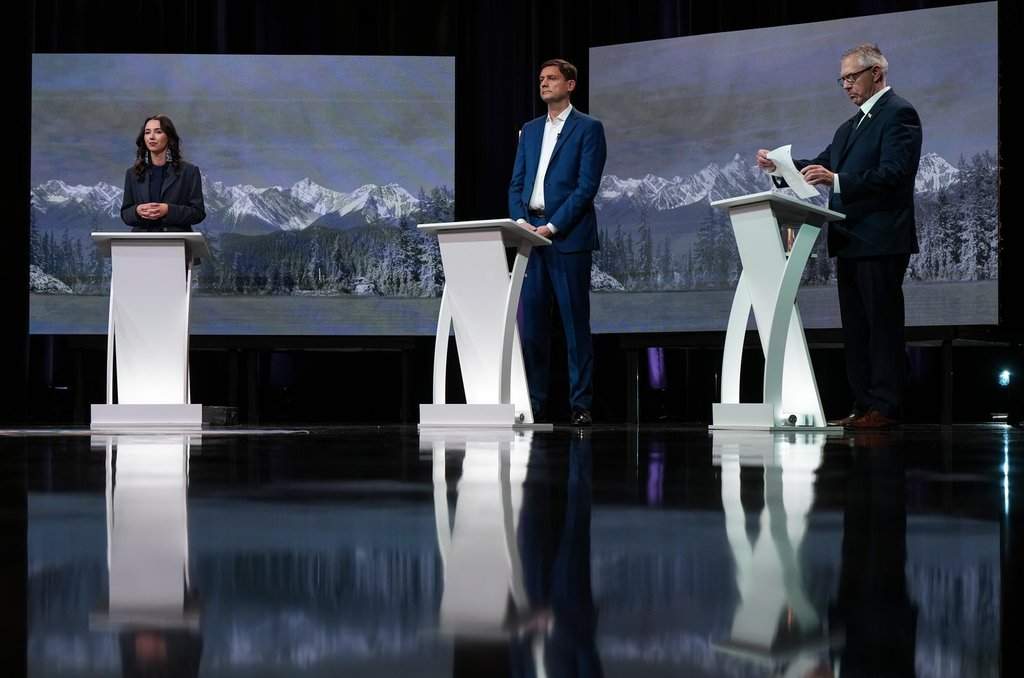
Premier David Eby called a snap provincial election two years ahead of schedule on September 22, 2026, setting general voting day for October 24—just one week after the October 17 municipal elections. Mayors and candidates complained of confusion as two campaigns competed for oxygen, attention, and volunteers at the exact same moment.
Overlapping ballots do not just split media coverage; they force exhausted voters to make back-to-back decisions on overlapping issues like affordability, housing, and public safety.
CivicInfo statistics for B.C.'s 2026 local government elections showed province-wide voter turnout at 32.8%, up from 29.2% in 2022, while council attrition hit 51.0%—meaning roughly half of elected local positions turned over. A week later, on October 24, provincial turnout reached 52.0% across B.C.'s 93 ridings.
The result was a political earthquake. The B.C. Conservatives, led on an interim basis by Lorne Doerkson after months of internal upheaval and leadership turnover, captured 64 seats and 47.71% of the vote, sweeping into a majority government. The B.C. NDP dropped to 27 seats and 37.58%, ending nearly a decade of NDP rule and prompting Eby's resignation, while the B.C. Greens held 2 seats with 11.15%.
What the Numbers Actually Reveal About Local Influence
It is tempting to draw a straight line from municipal results to provincial landslides, especially after a night as dramatic as October 24, 2026. Veteran political observers know better than to treat local results as a simple crystal ball.
Municipal races remain hyper-local and often non-partisan in structure. In the 2026 municipal cycle, 22.5% of mayors and 47.2% of regional district directors were acclaimed, and incumbents still won well over 70% of contested local races even as overall seat turnover reached 51.0%. A voter can back a familiar local mayor for pothole repair and park maintenance while voting against the provincial government over healthcare wait times, cost-of-living pressures, or U.S. tariffs.
Turnout gaps tell another crucial story. Even with a modest rebound to 32.8%, roughly two-thirds of eligible voters stayed home on municipal election day in 2026. Provincial elections draw a broader slice of the electorate—52.0% in 2026—meaning the coalition that turns out on a Saturday for city council is not identical to the coalition that decides a provincial government.
Still, ignoring local signals is a rookie mistake. In suburban ridings across the Lower Mainland and Vancouver Island, municipal frustration over growth, transit, and community safety frequently softens support for incumbent provincial governments long before pollsters catch the shift. In 2026, the B.C. Conservatives flipped 22 ridings from their 2024 party alignment—including multiple seats in Burnaby, Surrey, Coquitlam, Richmond, Vancouver, and North Vancouver—in races where razor-thin margins decided several contests.
The Blind Spots Parties Keep Missing
Provincial strategists often treat municipal politics as a side show until election eve. That blind spot costs them twice: first by missing early warning signs on the ground, and second by underestimating how local friction shapes provincial ballot questions.
- Infrastructure resentment builds slowly. Cities carry the physical weight of population growth, while provinces control much of the tax room and legislative authority. When local councils feel squeezed between housing mandates and strained water, sewer, or policing budgets, mayors become loud amplifiers of voter discontent.
- Overlapping campaigns breed fatigue. Staging a provincial vote one week after municipal elections stretches volunteers, donors, and voters thin. Advance provincial voting dropped 11% compared to 2024 even as several municipalities reported brisk local turnout.
- Local coalitions are messy. Municipal alliances often unite voters who disagree sharply on provincial ideology. Reading a local win as automatic loyalty to a provincial party—or reading a local loss as total rejection—leads campaign war rooms into bad assumptions.
How to Read the Next Cycle Without Getting Fooled
Anyone tracking British Columbia politics should watch what happens after the ballots are counted, not just on election night. Councils sworn in after a municipal vote spend the next several months fighting over budgets, zoning, and service delivery—the exact pressure points that test how well provincial promises hold up in real neighborhoods.
Watch the friction points between municipal councils and the new provincial government in Victoria as the 44th Parliament settles in. Where local leaders and provincial ministers clash over money, housing, or public safety, that is where the next real political shift is already taking shape.
BC Votes Municipal 2026 offers live coverage and analysis of British Columbia's 2026 municipal election results across the province.