The arrest of 40-year-old Jagendar Kurana following an alleged sexual assault at Bear Creek Park in Surrey, British Columbia, offers more than just a standard police blotter entry. On August 9, a female youth was targeted, groped, and left to navigate the immediate trauma while the perpetrator fled into the evening shadows. By August 12, the Surrey Police Service had executed an arrest, fueled by public appeals and a rapid dissemination of suspect photographs. Kurana now faces two formal charges under the Criminal Code: sexual assault and sexual interference. Yet beneath the procedural updates and the standard news cycle coverage lies a heavier structural reality about urban park safety, community vulnerability, and the hidden gaps in municipal policing frameworks.
Public spaces are designed to foster community cohesion. Instead, they often become sites of sudden vulnerability.
The Anatomy of a Rapid Police Response
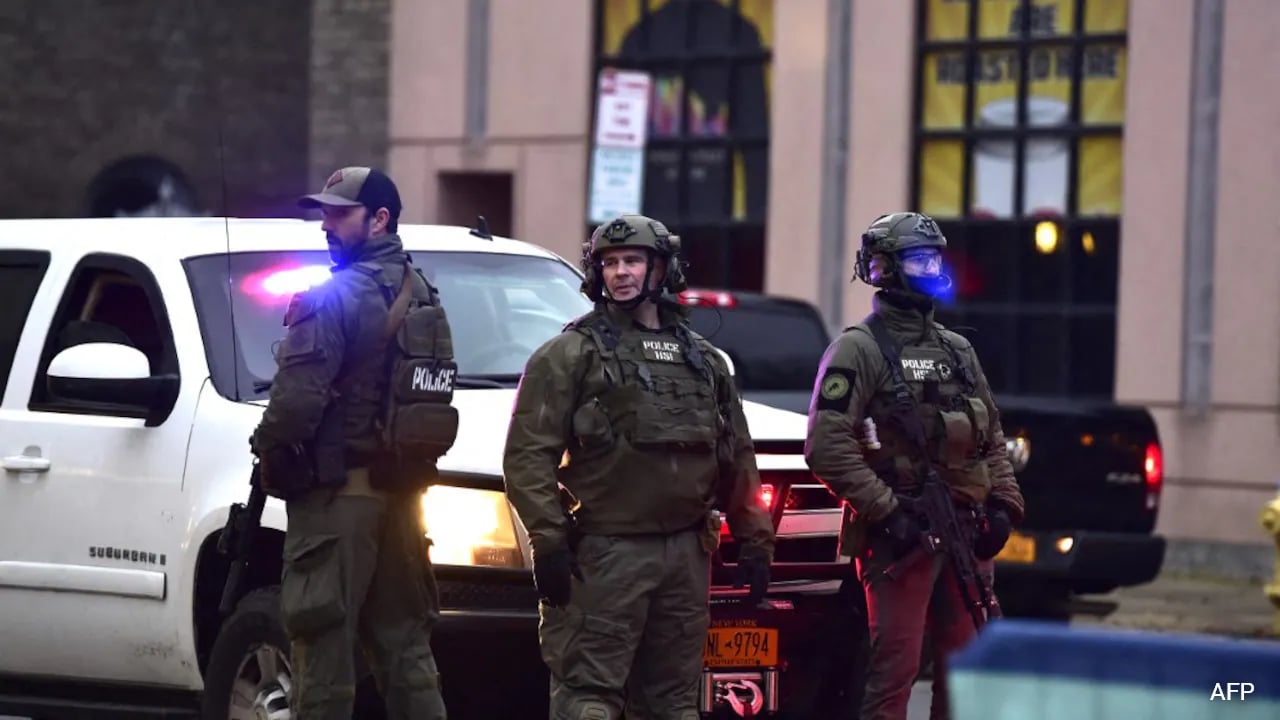
When the call reached the Surrey Police Service dispatch on that Sunday in August, frontline officers responded immediately to the scene. They secured statements from the young survivor and established the initial perimeter. What followed was a textbook exercise in modern investigative optics. Investigators realized they lacked an immediate identity, so they bypassed traditional bureaucratic delays. They released photographic evidence to the public.
The gamble paid off. Within days, community tips converged on a single suspect, leading to Kurana’s apprehension on August 12 and subsequent remand pending a bail hearing. The British Columbia Prosecution Service moved swiftly to approve the dual charges. Speed in these initial hours often dictates whether a case is solved or languishes in the cold-case drawer.
Yet, efficiency in catching a suspect does not erase the conditions that allowed the assault to occur in a public municipal park in broad daylight or early evening hours. Police can react, but they cannot occupy every bench, trail, and restroom corridor.
Urban Design and the Illusion of Safety
Bear Creek Park spans a vast acreage, functioning as a recreational oasis for families, athletes, and teenagers in British Columbia. Vast green spaces possess an inherent design vulnerability. Dense foliage, winding pathways, and poorly lit perimeters create natural blind spots.
Municipal planners frequently prioritize aesthetic openness over passive surveillance architecture. When bushes grow high and lighting fails, accountability drops. Perpetrators calculate risk based on visibility. If a park offers immediate escape routes into dense tree lines or adjacent parking lots, the psychological deterrent against committing a crime plummets.
Urban safety experts have long argued that physical geography shapes criminal opportunity. When a park lacks operational closed-circuit security cameras or emergency call boxes, victims are isolated even in a crowd. The Surrey incident highlights how municipal authorities must re-evaluate the physical layouts of high-traffic recreational zones.
The Politics of Immigrant Demographics and Public Discourse
Whenever a crime involves a suspect of a specific national or ethnic origin, the online ecosystem distorts the narrative. Headlines immediately fixate on background, weaponizing individual actions to fuel broader cultural anxieties.
Journalistic integrity requires resisting this impulse while acknowledging why these identity markers dominate public discussion. Crime is individual, but social friction is systemic. When high-profile arrests feature specific diaspora groups, political actors on all sides weaponize the data. One side points to integration challenges, while the other warns against xenophobic generalizations.
The reality remains grounded in the courtroom, not the commentary section. Kurana faces specific legal jeopardy defined by the Canadian Criminal Code. His background dictates neither the behavior of millions of other immigrants nor excuses the systemic failure of public safety infrastructure. Conflating individual malfeasance with demographic trends obscures the actual mechanisms required to protect young people in public spaces.
The Unseen Burden on Survivors
Behind every criminal charge sheet is a human life disrupted permanently. The psychological aftermath of sexual interference and assault, particularly for young people, requires specialized institutional support that is often underfunded.
Police departments are beginning to implement trauma-informed interviewing techniques, moving away from the adversarial interrogations of the past. However, the medical and psychological support systems lag behind. Emergency rooms and municipal victim services face severe backlogs, leaving survivors to navigate the early stages of trauma with minimal guidance.
When a survivor steps forward, as the teenager in Bear Creek Park did, they enter a legal labyrinth. They must recount their worst moments to strangers, testify in preliminary inquiries, and wait months or years for a trial date to resolve. The legal system measures justice in court appearances and bail conditions, while survivors measure recovery in years.
Where Accountability Actually Resides
The arrest of Jagendar Kurana closes the first chapter of this specific legal drama, but it opens a broader institutional obligation. Local governments cannot treat random acts of violence in public parks as statistical anomalies. Increased patrols following an incident are a reactive Band-Aid. True deterrence requires capital investment in infrastructure, lighting, and community-led safety initiatives that ensure public land remains genuinely public.
The courtroom proceedings will continue through the British Columbia judicial system, where the allegations must be tested against the standard of proof beyond a reasonable doubt. Until then, the paths of Bear Creek Park remain traveled by citizens who expect their local government to guarantee safety beneath the trees.