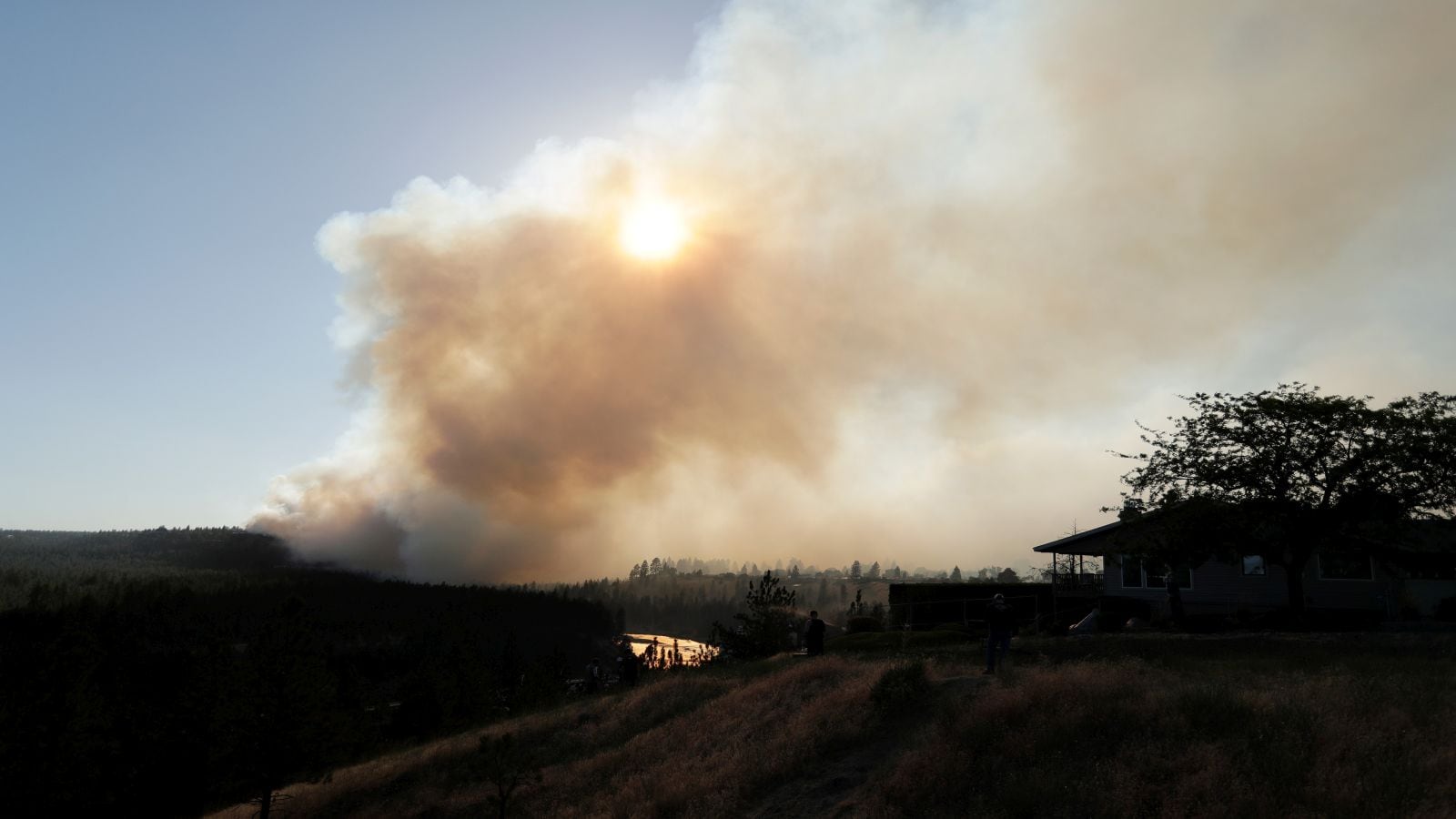
The smoke settles over the valleys of British Columbia with a heavy, bruised permanence that residents have learned to recognize as the signature of another lost summer. When regional authorities declare a state of emergency and issue urgent evacuation orders, the public reaction tends to follow a predictable script of shock and urgency. Sirens wail through mountain corridors. Highways clog with tail-lights heading south. Emergency command centers light up like neon islands in the dark.
Yet behind the flashing emergency lights lies a quieter, more exhausting reality. This crisis is not an unprecedented anomaly catching the province flat-footed. It is the entirely predictable product of decades of compounding ecological pressures, administrative inertia, and a wildfire management model that spent more time suppressing symptoms than treating the underlying sickness. Building on this topic, you can find more in: The Map of Monsoons and Markets.
Decades of fire exclusion policies created an ecological debt that British Columbia is now paying in ash. For most of the twentieth century, the dominant strategy across North American forestry was absolute suppression. Every puff of smoke on a distant ridge was met with an immediate, overwhelming aerial response. On paper, this protected timber assets and mountain towns. Beneath the forest canopy, however, a very different process unfolded.
Without the natural, low-intensity fires that historically cleared out underbrush and deadfall, the forests grew dense and overcrowded. Millions of acres turned into unmanaged tinderboxes. Trees stood shoulder-to-shoulder, competing desperately for dwindling groundwater during increasingly severe droughts. When a spark finally catches in these overstocked stands, it does not merely burn along the forest floor. It climbs ladder fuels into the upper branches, explodes into the crown, and generates firestorms powerful enough to create their own weather systems. Experts at Reuters have also weighed in on this trend.
The human element compounds the environmental disaster. Rural development has expanded steadily into the wildland-urban interface. Communities designed decades ago for logging or mining operations now sit snugly against unbroken tracts of coniferous forest. Expanding tax bases and cheap mountain real estate drove municipal growth deeper into high-risk hazard zones. Local councils approved subdivision permits without demanding adequate secondary escape routes or mandatory fire-resistant building codes. When evacuation orders drop, single-lane access roads bottleneck instantly, turning planned departures into terrifying exercises in survival.
Climate shifts act as the accelerant for this systemic vulnerability. Winter snowpacks melt weeks ahead of schedule. Spring rains evaporate before they can soak deep into the soil. By July, the entire interior of the province resembles kiln-dried lumber waiting for a lightning strike. Yet emergency response funding remains stubbornly reactive. Governments routinely pour hundreds of millions of dollars into waterbombers, retardant drops, and overtime pay during peak disaster season.
That spending pattern resembles a homeowner buying a larger bucket while the house burns down, ignoring the faulty wiring in the basement.
Mitigation requires dirty, expensive, and politically unpopular work. Controlled burns are messy. They blanket tourist towns in smoke during the shoulder season, angering local business owners who rely on clean-air marketing campaigns. Thinning out dense second-growth timber requires heavy machinery, logging crews, and sustained public subsidies for wood waste that has no immediate commercial value. Environmental groups sometimes push back against logging operations disguised as fire mitigation, while forestry companies push for harvesting rights in areas where strict protection might be safer for neighboring populations.
Navigating these competing interests takes political spine. Elected officials often prefer the temporary heroics of crisis management over the quiet, unglamorous labor of preventative landscape restructuring. A premier standing in front of a wildfire map looking grave and resolute commands television news cycles. A minister defending a multi-year budget line for forest thinning does not.
When the current evacuation orders lift and the temporary shelters empty out, the regional conversation typically pivots back to economic recovery and tourism campaigns. Homeowners rebuild on the exact same footprints. Planners re-approve permits for vulnerable valley floors. The smoke clears, the blue sky returns, and the underlying math of the forest remains unchanged, waiting for the next dry lightning storm to reset the clock.


/cdn.vox-cdn.com/uploads/chorus_asset/file/22155007/doc_ock.jpg)