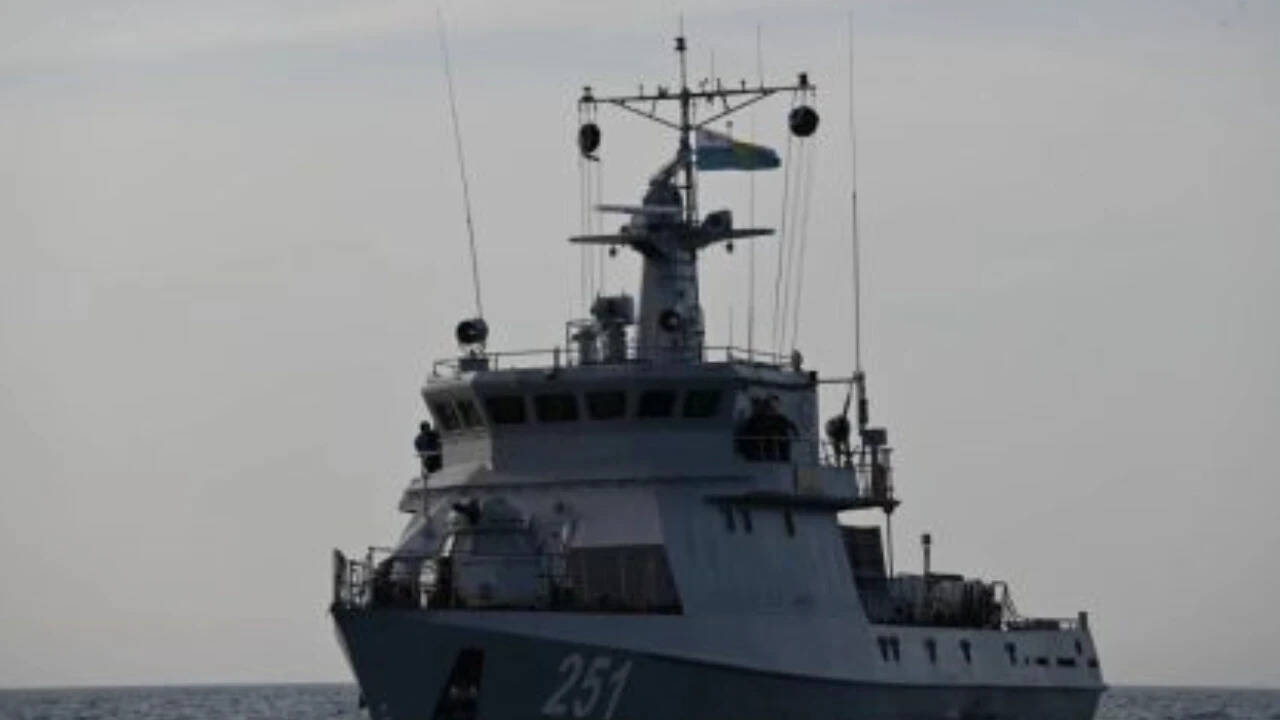
Tragedies in peacetime military training always expose deep, systemic failures. When 14 servicemen lost their lives during naval exercises on the Caspian coast in the Mangystau region, it wasn't just a sudden freak accident dictated by bad weather. It was a catastrophic breakdown in command, planning, and risk management that triggered an immediate, aggressive state response.
What Actually Happened on the Caspian Coast
The incident unfolded during the Khazar Qorgany 2026 exercises. Seventeen servicemen were swept out into the turbulent waters of the Caspian Sea as military personnel attempted to disembark from a patrol boat under severe weather conditions. While three individuals managed to survive, 14 service members perished, with bodies recovered over the subsequent hours.
You don't lose fourteen lives in a single drill without someone ignoring warning signs. High winds and rough seas on the Caspian are well-documented hazards, yet protocols were pushed aside to keep the schedule moving. President Kassym-Jomart Tokayev didn't mince words, declaring a nationwide day of mourning and demanding that everyone responsible face severe legal consequences.
The Fallout and High-Level Arrests
Governments typically try to absorb military scandals quietly, but Kazakhstan took the opposite approach. Investigations by the Prosecutor General's Office and the Ministry of Internal Affairs moved swiftly. More than 300 individuals have been questioned, and the accountability chain reached the highest echelons of the country's armed forces.
Five defense officials were initially detained under suspicion of negligence, including the Chief of Staff and the First Deputy Commander-in-Chief of the Naval Forces. The purge didn't stop there. The former Commander-in-Chief of the Kazakhstan Navy, Kanat Niyazbekov, was arrested and placed in a temporary detention facility following sweeping dismissals signed by President Tokayev.
When top commanders are pulled from their posts and locked in holding cells, it signals a massive shift in how military leadership views operational safety. Conscript and contract soldier safety in peacetime has become a zero-tolerance issue in Kazakhstan, echoing Tokayev's prior stance that losing soldiers outside of combat is entirely unacceptable.
Why This Crisis Changes Military Doctrine
Military exercises are meant to simulate worst-case scenarios, but they shouldn't create them. When commanders treat safety margins as optional guidelines, disaster follows. The inspection commission of the Ministry of Defense quickly uncovered glaring irregularities in the planning and execution phase of the Caspian drills.
This disaster forces a hard look at standard operating procedures across land and naval forces:
- Weather Thresholds: Rigid hard stops must replace subjective officer discretion when sea states deteriorate.
- Evacuation Readiness: Safety boat deployment and rescue asset positioning must match the scale of the drill.
- Command Liability: Senior officers sitting in command tents can no longer deflect blame onto lower-level subordinates when structural planning fails.
The ongoing pre-trial investigations under special prosecutorial supervision mean more heads will likely roll. The defense ministry is undergoing a sweeping audit, and the old guard is learning that rank does not shield negligence.
Expect long-term structural overhauls in how Central Asian states conduct amphibious operations. Training exercises will get tougher on paper, but the tolerance for reckless leadership has officially hit zero.
Kazakhstan reshuffles defence leadership after deadly Caspian drills
This YouTube video from AnewZ provides direct context on the defense leadership reshuffle and the ongoing investigations following the tragic Caspian Sea military exercise.