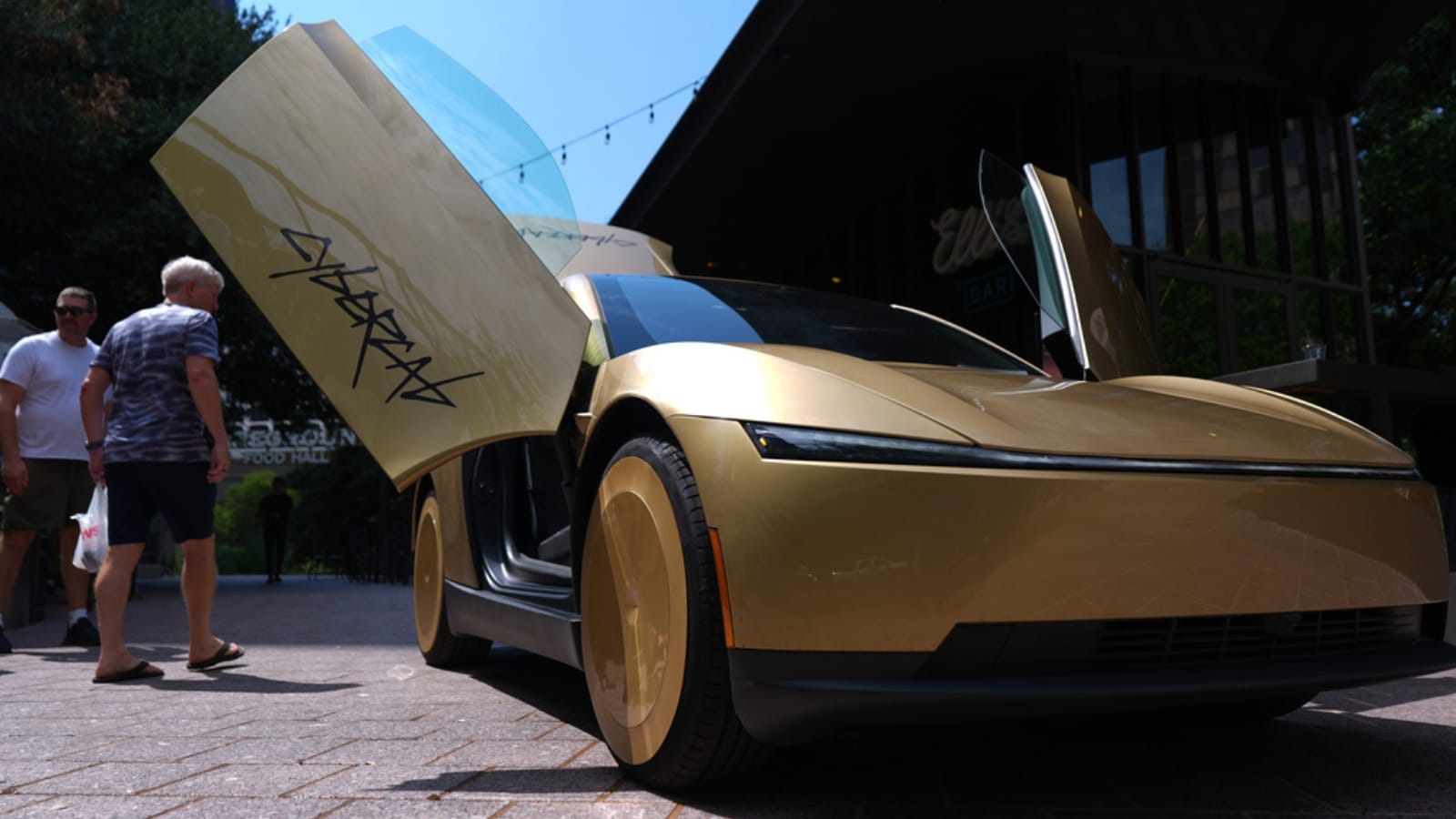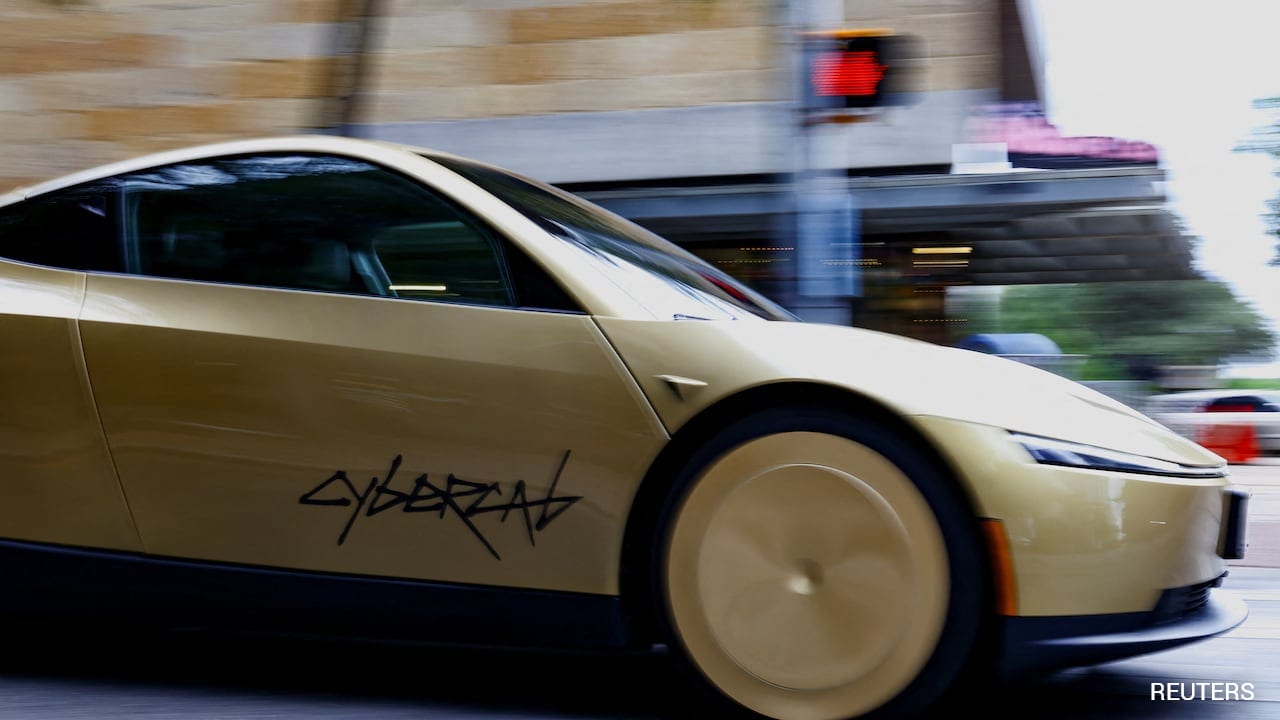
The cabin offers nothing to grab onto when the intersection approaches. No steering wheel spins to correct a drift, no mechanical brake pedal waits under the floorboards to save a panicked passenger. Tesla's Cybercab has arrived on public asphalt in Austin and select southern markets, trading traditional human redundancy for a completely blank dashboard. For urban commuters looking to book a ride through the updated smartphone interface, the vehicle represents an unprecedented leap into automated transportation. Yet behind the minimalist aesthetic and the surging stock valuations lies a high-stakes gamble on structural economics, software-only computer vision, and regulatory tolerance.
For years, skeptics argued that building a viable commercial robotaxi required expensive sensor suites, including spinning lidar arrays and redundant mapping packages. Competitors like Alphabet's Waymo spent a decade mapping metropolitan grids down to the centimeter while deploying thousands of heavily instrumented vehicles. Tesla chose a radically different path. By leaning exclusively on high-definition cameras and neural network processing, the company engineered a two-seat chassis designed to strip out manufacturing cost.
Stripping out the controls drops the estimated build cost to a fraction of traditional vehicle prices. That low price point forms the cornerstone of a broader business strategy aimed at beating legacy mobility margins. When a vehicle costs less to build and operates on a lighter battery pack, the cost per passenger mile plummets. Financial analysts tracking the rollout note that this math is the primary engine behind the trillion-dollar market valuation pinned to the company's autonomous ambitions.
The Physics of Trust
Public trust is rarely won through corporate press releases or promotional clips floating over city skylines. It is forged in the grueling crucible of edge cases, sudden downpours, and chaotic pedestrian behavior. When a passenger steps into a vehicle that lacks any mechanical means of intervention, psychological barriers shift immediately.
The interior design forces a binary choice upon the rider. You either trust the artificial intelligence running on the vehicle's onboard computer, or you walk.
This total absence of manual fallback introduces a unique regulatory paradox. Federal safety standards historically assumed that a human driver would always occupy the pilot seat, ready to take over when automation failed. The National Highway Traffic Safety Administration has slowly begun updating its framework to accommodate vehicles designed without manual inputs, reflecting shifting political and industrial pressures. Even so, state-by-state approvals remain deeply fractured. While Texas and parts of Florida have welcomed the deployment of unsupervised fleets, major jurisdictions elsewhere maintain strict testing requirements and moratoriums.
The Software Ceiling
Relying purely on optical data streams creates a distinct engineering hurdle. Heavy sun glare, dense fog, and blowing dust can temporarily obscure camera lenses in ways that lidar pulses simply ignore. Federal investigators have previously scrutinized crashes where low-visibility conditions challenged the neural networks powering driver-assistance features. Scaling an autonomous taxi network across millions of diverse miles requires the software to handle rare, chaotic events without human intervention.
The company counters these concerns by pointing to the sheer scale of its data collection loop. Every consumer vehicle equipped with full self-driving hardware acts as a data-gathering node, feeding billions of miles of driving scenarios back to training clusters. Proponents argue this data flywheel grants the neural network a deeper understanding of human driving habits than any localized mapping team could achieve.
Yet deploying a fleet of zero-control vehicles shifts the liability entirely off the consumer and onto the corporate entity. If a traditional human driver makes a mistake, insurance companies and courts adjudicate fault. When a vehicle with no steering wheel makes a fatal miscalculation, the manufacturer stands alone in the crosshairs of civil litigation and regulatory crackdowns.
Economics at Scale
Manufacturing the vehicle is only the opening act. The long-term vision depends on private owners purchasing these specialized pods and contributing them to a shared network when parked. Turning idle personal assets into commercial ride-hailing units would theoretically dwarf the fleet sizes of any traditional transit provider.
Early indicators show that business partnerships and third-party fleet operators are already lining up to register interest, hoping to capitalize on low operational expenses. Whether private buyers will embrace owning a vehicle that lacks manual controls and functions strictly as a network asset remains unproven. The psychological leap from owning a versatile family car to purchasing a single-purpose autonomous taxi is vast.
The golden pods moving silently down Austin streets signal an undeniable milestone for automated transit. Whether they spark a nationwide transformation or crash against the hard walls of regulatory resistance and edge-case physics depends entirely on miles logged without incident. Every successful fare builds a quiet momentum, while every intervention reminds the industry how far the software still has to climb