On September 27, 2026, a massive avalanche shattered the quiet solitude of the Nar-Phu Valley in Nepal, slamming directly into the base camp of Himlung Himal. Fifteen Nepali support staff and expedition workers lost their lives when tons of snow and ice buried their tents in the dead of night. The disaster unfolded before a single foreign client had even arrived for the autumn climbing season. It stands as one of the most devastating single-site losses of local life in modern Himalayan history, transforming a little-known 7,126-meter peak into a stark monument to a changing mountain environment.
For years, commercial mountaineering narratives have focused on the heroics and hazards of summit pushes above eight thousand meters. Yet the tragedy at Himlung Himal shifts the spotlight downward, exposing the structural vulnerability of base camps once thought to be safe havens. Traditional alpine wisdom dictated that flat valley floors and stable moraines offered absolute protection from gravitational hazards. That assumption is no longer valid. Global heating has fundamentally altered the structural integrity of high-altitude terrain, rewriting the physics of avalanche science in real time.
The Geography of a Forgotten Trap
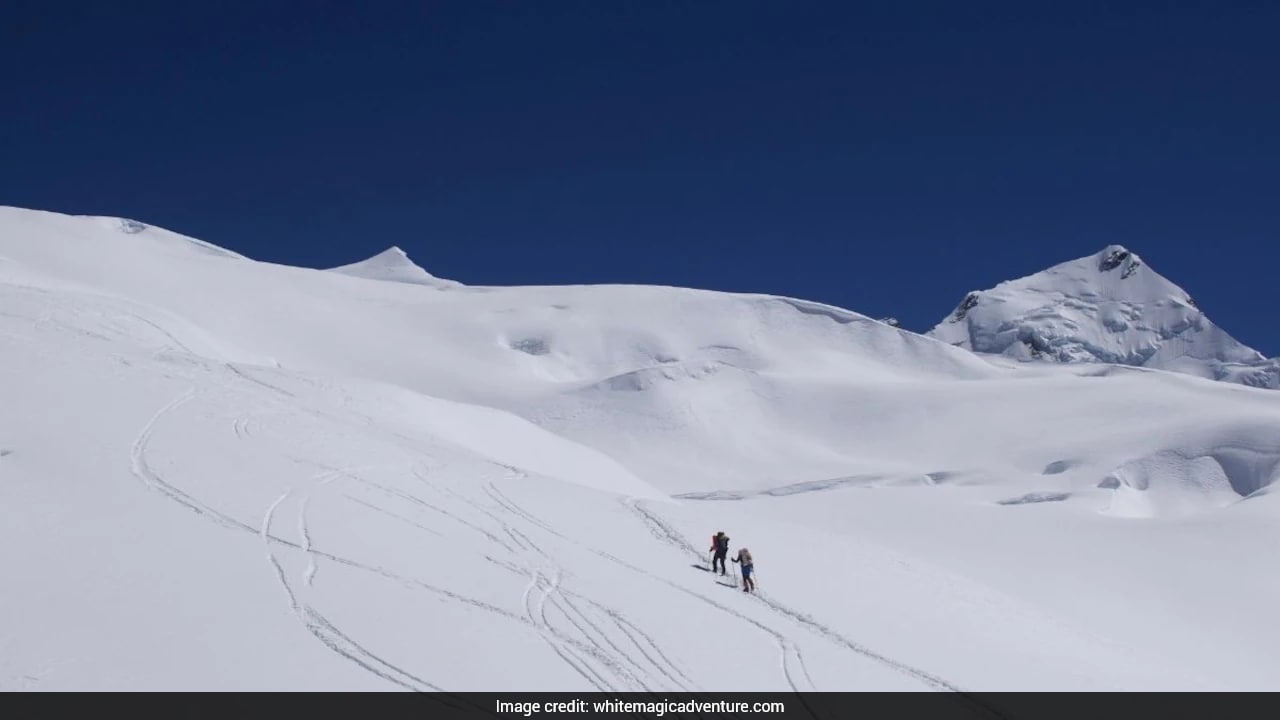
To understand why Himlung proved fatal, one must examine the geography of the region and the timing of the catastrophe. Standing at 7,126 meters, Himlung Himal sits in a remote corner of Manang near the Tibetan border. Its base camp is traditionally established on broad, relatively flat ground well away from immediate vertical ice walls. Expedition outfitters have utilized these spots for decades without major incident. But September of 2026 brought an unprecedented atmospheric anomaly. Continuous torrential rain across the lower valleys translated into massive, heavy snowfall at higher elevations. Unseasonal moisture overloaded upper-slope cornices that had never previously shed during this window.
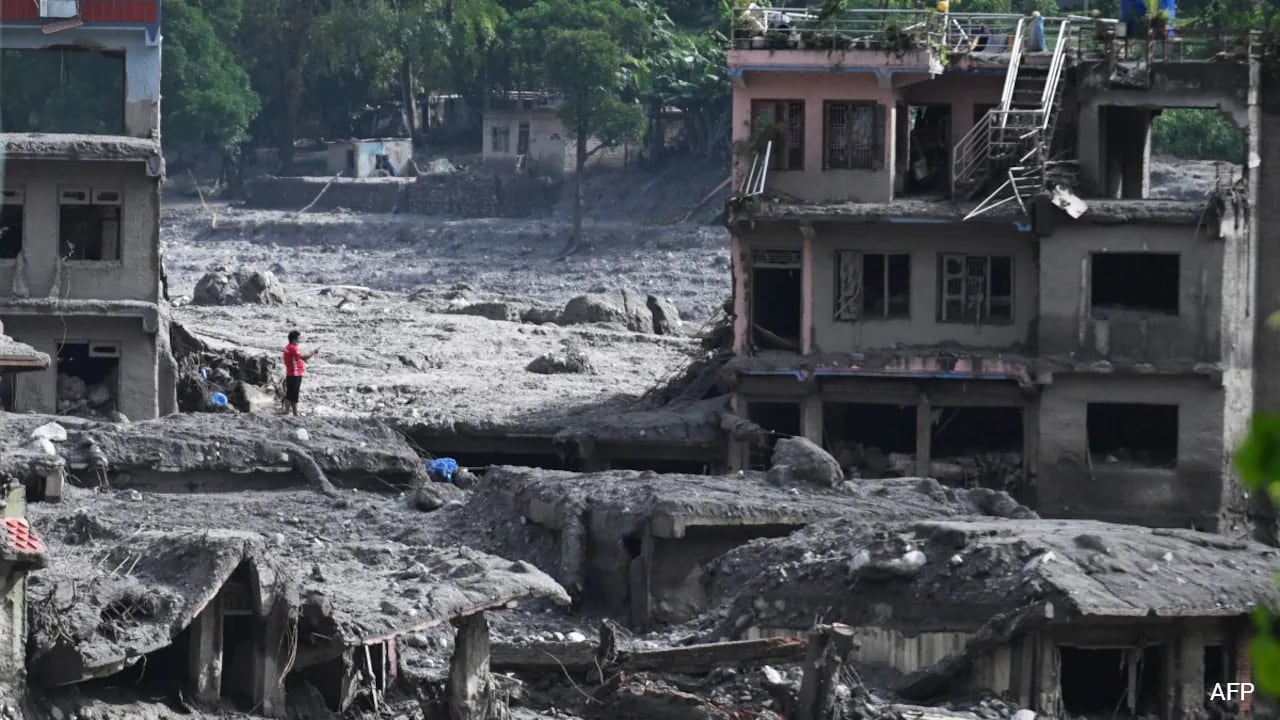
When the slide broke loose, it did not follow predictable gullies. It cascaded with a destructive force that overwhelmed the spatial buffer zones relied upon by generations of mountaineers. Tents pitched by kitchen crews and logistics teams disappeared beneath meters of compacted debris before anyone could sound an alarm. The rescue response was hamstrung immediately. Severe weather grounded helicopters for days, while swollen rivers and washed-out trails in the Manang district cut off ground rescue teams. Local guides had to claw through frozen muck and snowpack using bare hands and makeshift shovels while waiting for authorities to coordinate logistics through heavy administrative red tape.
The Expendable Vanguard of Commercial Mountaineering
The human toll of the Himlung disaster underscores an uncomfortable truth about how modern expeditions operate. The people who die in these mountains are rarely the wealthy clients paying tens of thousands of dollars for a guided ticket to a summit. They are the kitchen staff, the high-altitude porters, and the logistics leads who arrive weeks ahead of schedule. Their job is to haul gear, carve out flat platforms on boulder fields, set up mess tents, and fix early routes. They sleep at base camp while the peaks are most volatile, acting as human shock absorbers for an industry driven by tight commercial calendars.
Local outfitters face immense financial pressure to open routes early. Autumn windows in the Himalayas have shrunk dramatically over the past decade. Monsoons now linger deeper into September, while winter storms strike earlier with ferocious intensity. This compressed window forces expedition companies to deploy their support teams into the field at the exact moment when transition-season weather creates maximum instability. When warnings are issued by meteorological agencies, they often target trekkers and general tourism, while commercial logistics operations continue under a shroud of institutional inertia.
The Mechanics of Climate Collapse at Seven Thousand Meters
Critics argue that the warning signs were ignored across multiple fronts. Weeks before the Himlung strike, catastrophic floods and landslides had already ravaged wide swaths of Nepal, displacing thousands and signaling severe hydrological stress. Yet, mountaineering permits continued to be issued without mandatory baseline safety reassessments for base camp placements. Traditional hazard mapping relies on historical data collected over the last fifty years. That data is now obsolete. Glaciers are retreating, leaving behind over-steepened moraine walls that collapse under minor hydraulic pressure. Permafrost is thawing deep within rock faces, releasing massive slabs of stone and ice that previously remained locked in place by sub-zero temperatures.
The disaster on Himlung Himal did not occur in a vacuum. It happened alongside a broader crisis of mountain instability that saw multiple fatalities across the Hindu Kush and Himalayan ranges during the same weather cycle. In Pakistan, a separate tragedy unfolded on Broad Peak, claiming the lives of several prominent climbers and support workers. These events point to a systemic failure in how the international climbing community evaluates baseline safety. While attention remains fixated on oxygen management, frostbite protocols, and summit bottlenecks, the real danger is shifting to the ground level where hundreds of support personnel live and work for months at a time.
Bureaucratic Blind Spots and Insurance Failures
Insurance structures within the mountaineering sector further exacerbate these vulnerabilities. Many commercial policies carry restrictive altitude caps and ambiguous clauses regarding base camp evacuations. When high-altitude medical emergencies or weather crises strike below traditional climbing camps, bureaucratic disputes between insurance providers and local operators frequently delay critical rescue responses. In the case of Himlung, the remote location of the Nar-Phu Valley means that even when survivors or injured workers require immediate extraction, administrative delays compound the tragedy. Lives that might have been saved through rapid air deployment are lost in the endless waiting game of clearance authorizations and policy verifications.
The financial architecture of commercial expeditions depends heavily on cost containment at the foundational level. While marketing budgets for international guiding agencies emphasize luxury domes, satellite communications, and elite western guides, the operational safety margins allocated to local support teams remain razor thin. Tents are often pitched in locations dictated by convenience and water access rather than comprehensive multi-season avalanche risk assessments. When seasonal weather shifts catch operators off guard, the institutional reflex is to absorb the risk rather than delay the season, shifting the physical burden directly onto the shoulders of workers who have the least bargaining power.
The Economic Coercion of Mountain Labor
The economic dependence of rural mountain communities on expedition tourism creates a silent coercion. For many residents of Manang and neighboring districts, working as a base camp cook or porter is one of the few viable ways to secure a living wage. They accept the risks because the alternative is economic destitution. Expedition operators know this, creating an asymmetrical power dynamic where frontline workers rarely feel empowered to veto unsafe operational timelines or demand relocation of vulnerable camp sites. Safety audits are often treated as bureaucratic checkboxes rather than rigorous scientific evaluations of changing slope stability.
This dynamic is further complicated by the seasonal nature of mountain labor. Many workers alternate between farming in the summer and guiding or portering in the spring and autumn. The loss of a primary earner in an avalanche does not merely represent a tragedy for an individual household; it destabilizes entire village economies across mountain districts that receive minimal state support. Compensation payouts from insurance companies or government relief funds are notoriously slow, leaving grieving families to navigate complex legal and administrative hurdles while struggling to survive.
Redefining Safety Before the Next Collapse
Addressing this crisis requires a complete overhaul of how base camps are sited and regulated. Nepal's Department of Tourism and local municipal bodies must mandate independent geological surveys for all permanent and semi-permanent base camp locations. Relying on where previous expeditions pitched their tents is no longer a viable strategy. Furthermore, expedition companies must be held legally and financially accountable for the safety of their support staff during the hazardous pre-season setup phase. If conditions are too dangerous for clients to fly in, they are too dangerous for local crews to be living underneath unstable hanging glaciers.
The silence left behind in the Nar-Phu Valley is deafening. Fifteen families are mourning breadwinners who became statistical casualties of an industry that treats logistics personnel as infinitely replaceable. As global temperatures continue to rise and Himalayan weather patterns grow increasingly erratic, Himlung Himal will not remain an isolated anomaly. Unless structural reforms match the violent reality of the new climatic era, base camps will remain open graves for the people who hold the entire mountaineering enterprise upright.