The fault lines in modern geopolitical warfare are rarely defined by ideological divides or grand treaties. Instead, they run straight through global fuel markets, refinery output ledgers, and domestic election cycles. When United States President Donald Trump publicly declared that it was “time for Ukraine to get a new president,” he did not do so in a vacuum of diplomatic routine. The remark was the explosive culmination of a months-long diesel stoush—a high-stakes collision between Kyiv’s existential military strategy and Washington’s urgent domestic economic pressures.
To understand how a bilateral partnership fractures, one must examine the mechanics of energy economics. For over four years of grinding conflict, Ukraine’s armed forces utilized long-range drone and missile strikes to degrade Russia’s primary revenue generator: its oil refining infrastructure. By targeting facilities in regions like Tatarstan and Krasnodar, Kyiv sought to choke off the fuel supply feeding Russian mechanized columns on the front lines. It was a logical, mathematically sound application of asymmetric warfare.
However, these tactical successes collided directly with macroeconomic realities in the West. As Middle Eastern conflicts severely constrained global refining capacity and pushed fuel costs upward ahead of critical midterm elections, the American electorate felt the pinch at the pump. White House officials made it clear that sustained pressure on Russian refineries was threatening global supply stability. Washington’s message to Kyiv was blunt: stop hitting the diesel.
Ukrainian President Volodymyr Zelenskyy faced an impossible dilemma. Halting attacks on Russian energy infrastructure meant sparing the Kremlin's logistical engine, allowing Moscow uninterrupted fuel supplies for its ongoing air campaign against Ukraine's power grid. Continuing the strikes, conversely, meant burning through remaining diplomatic goodwill in Washington and risking the vital intelligence sharing and military aid that keeps the Ukrainian state solvent. The tension escalated sharply following reports of separate bilateral energy arrangements between U.S. negotiators and Moscow, which Kyiv condemned as a dangerous concession that emboldened the Kremlin.
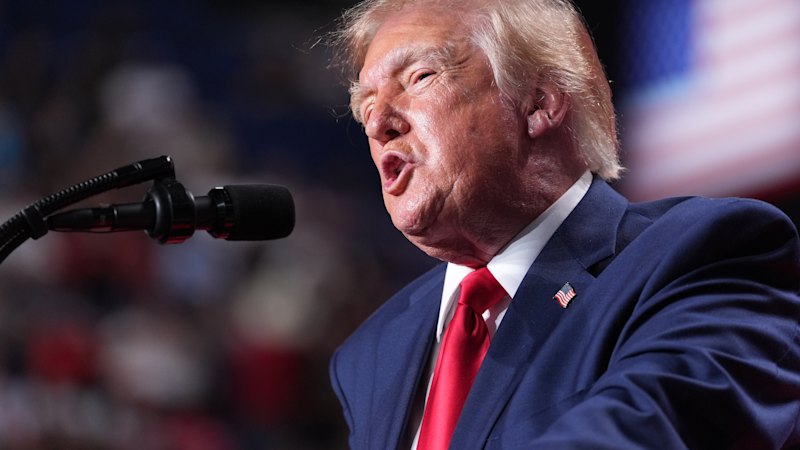
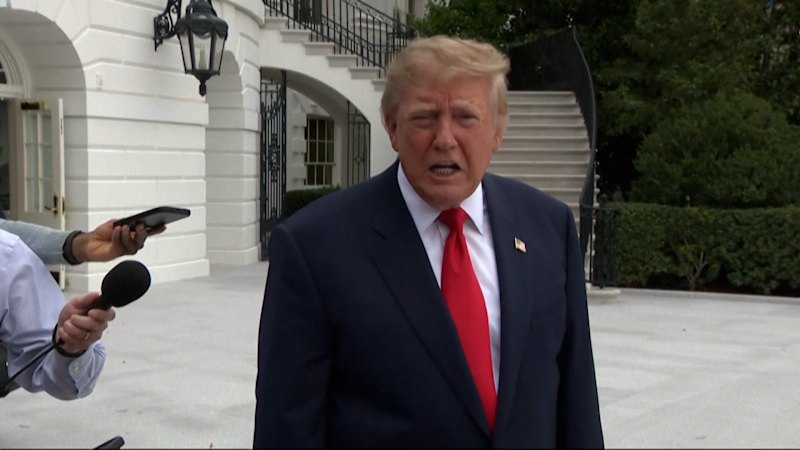
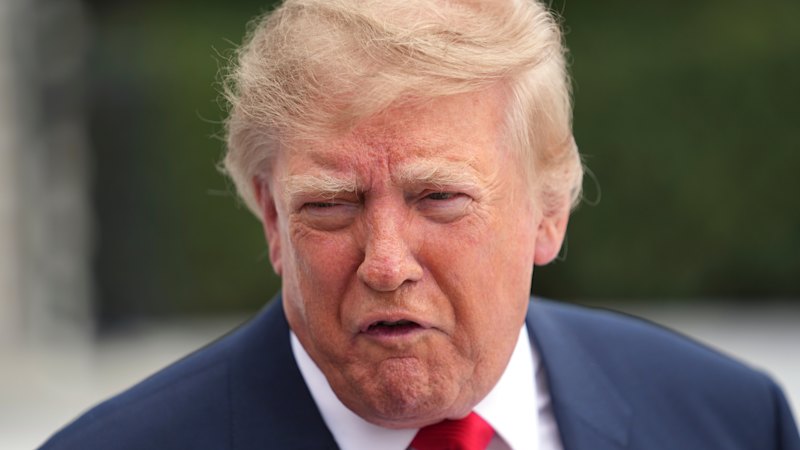
When Zelenskyy openly criticized these diplomatic maneuvers, the friction turned combustible. Trump’s subsequent attack on the Ukrainian leadership signaled a profound shift in Washington's posture. By tying the continuation of the war directly to the incumbent administration in Kyiv, the White House elevated a policy disagreement over fuel logistics into an outright leadership crisis.
The fallout extends far beyond diplomatic rhetoric. Intelligence-sharing channels hang in the balance, and the prospect of negotiated settlements brokered by external envoys grows increasingly complex. Ukraine’s military planners must now calculate their operational targets against a backdrop of open hostility from their most indispensable ally.
The diesel stoush demonstrates a brutal axiom of international relations. Strategic alignment survives ideological differences, but it rarely survives a spike in fuel prices. As diplomatic channels strain under the weight of competing domestic pressures, the alliance faces its most dangerous test yet.